What To Wear On A Hot Air Balloon Flight In The Outback
A balloon launch happens an hour before first light, in the coldest part of the Outback day. Here is what the operator actually asks you to wear, and what the climate data says about how cold it will be.
Short answer
The operator asks for outdoor clothing that is not white, long pants, a hat and enclosed flat shoes with no heels, plus warm layers from May to September. Pickup is about 4:15am in summer and about 5:45am in mid-winter, so you stand in near-dark at close to the mean minimum temperature: about 21.6 °C in January and about 3.9 °C in July.
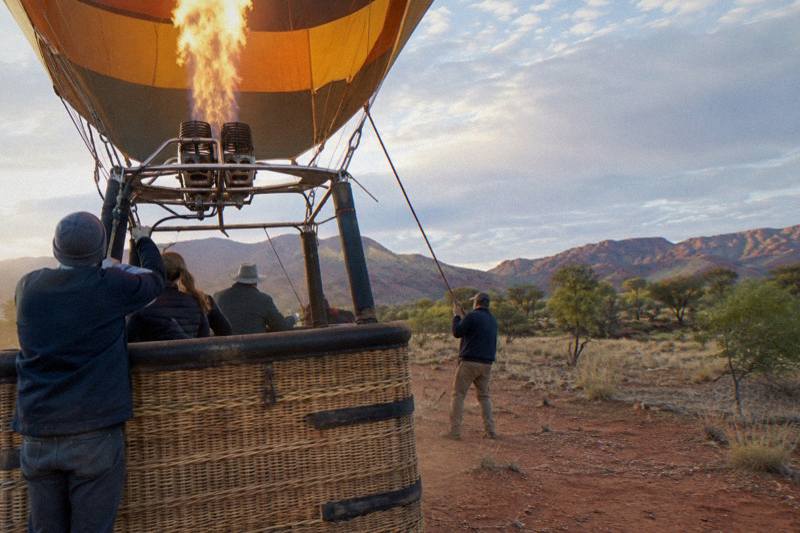
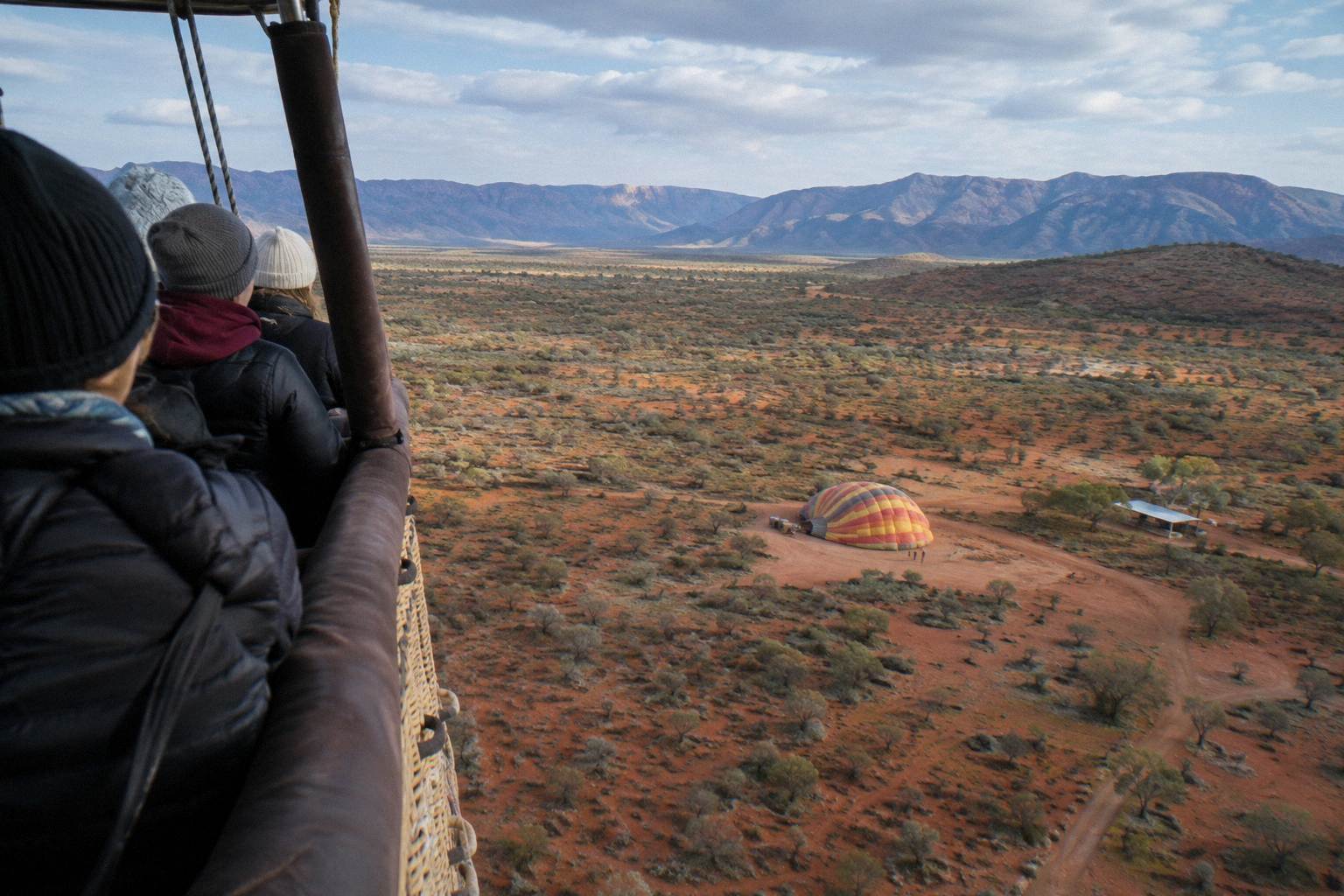
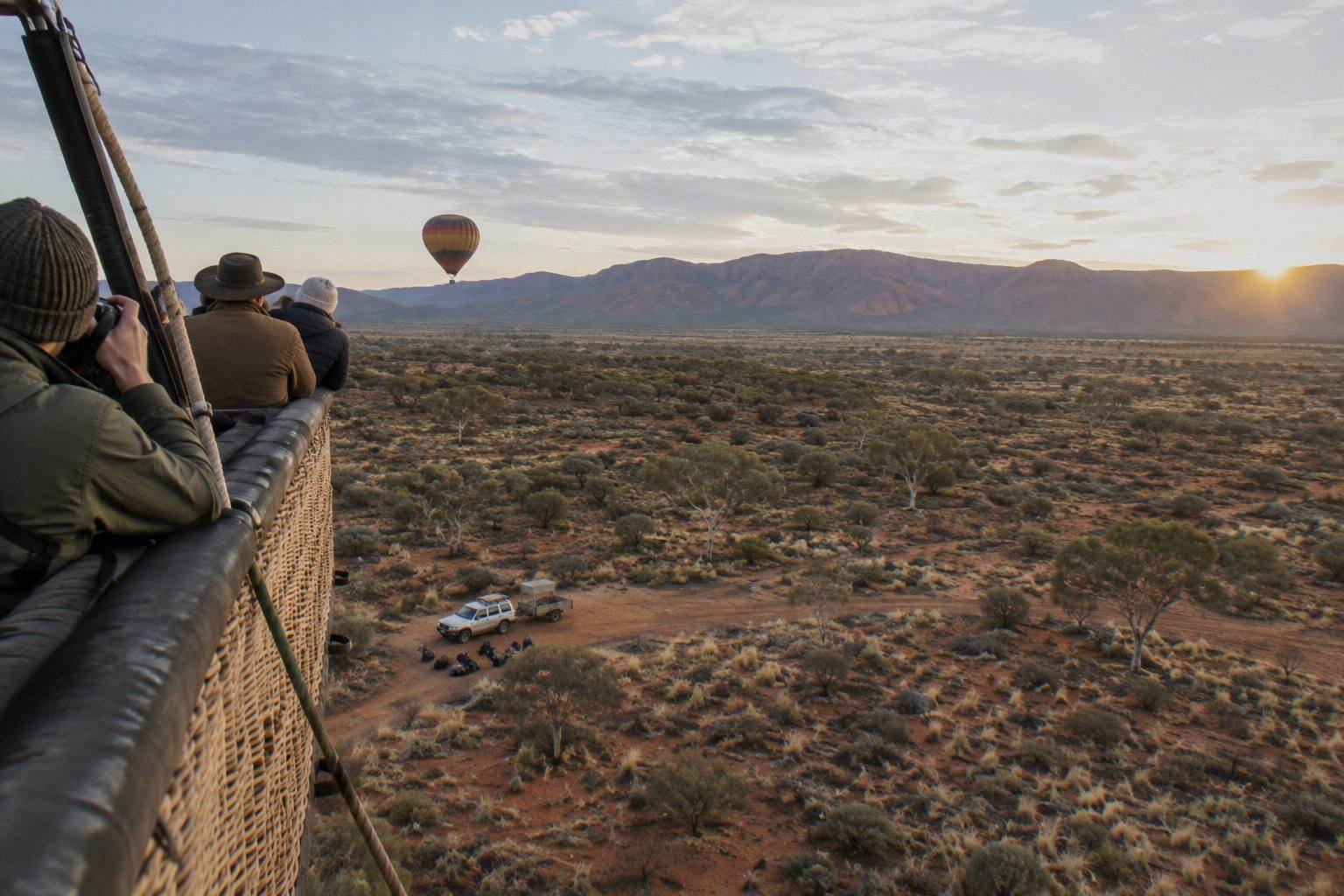
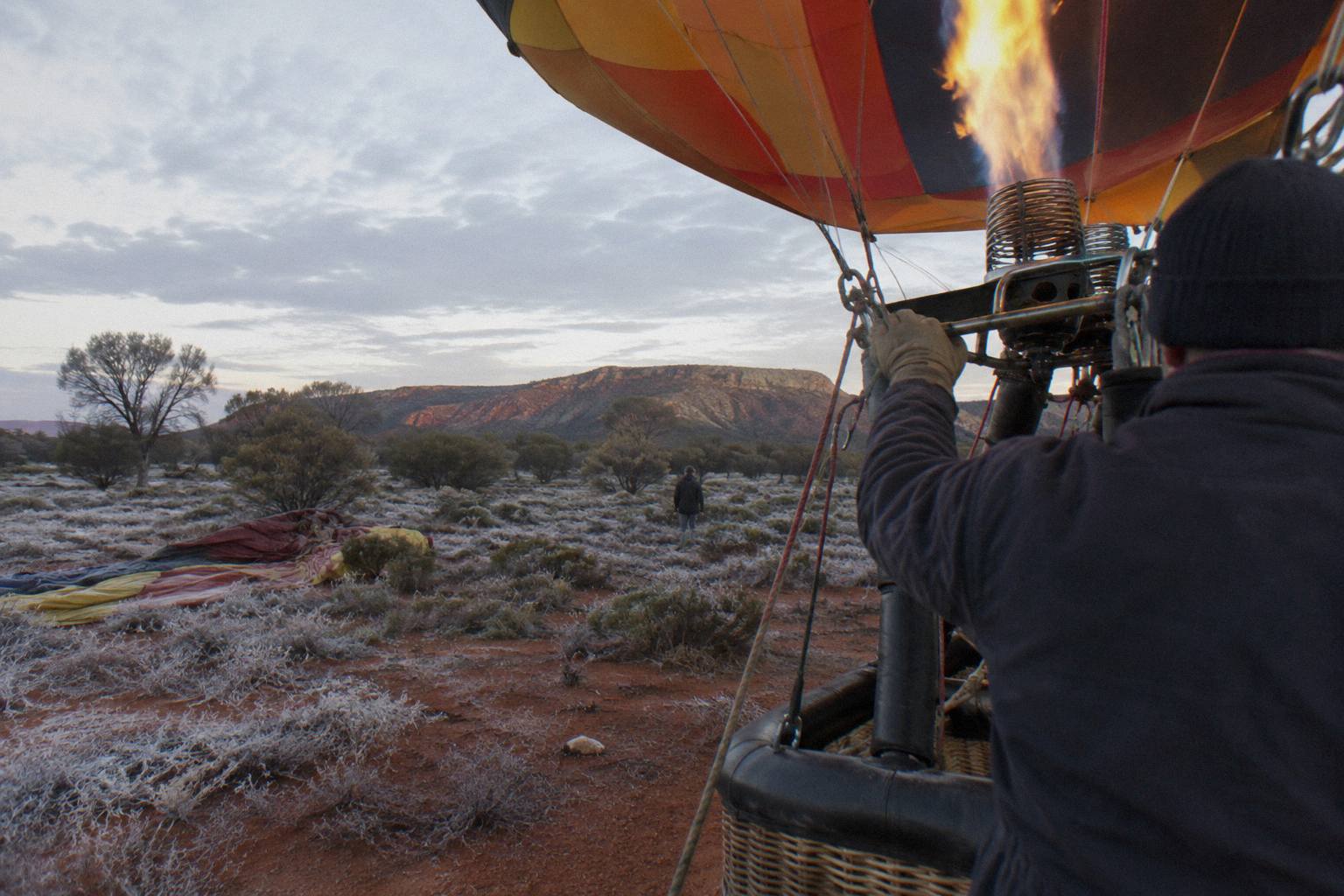
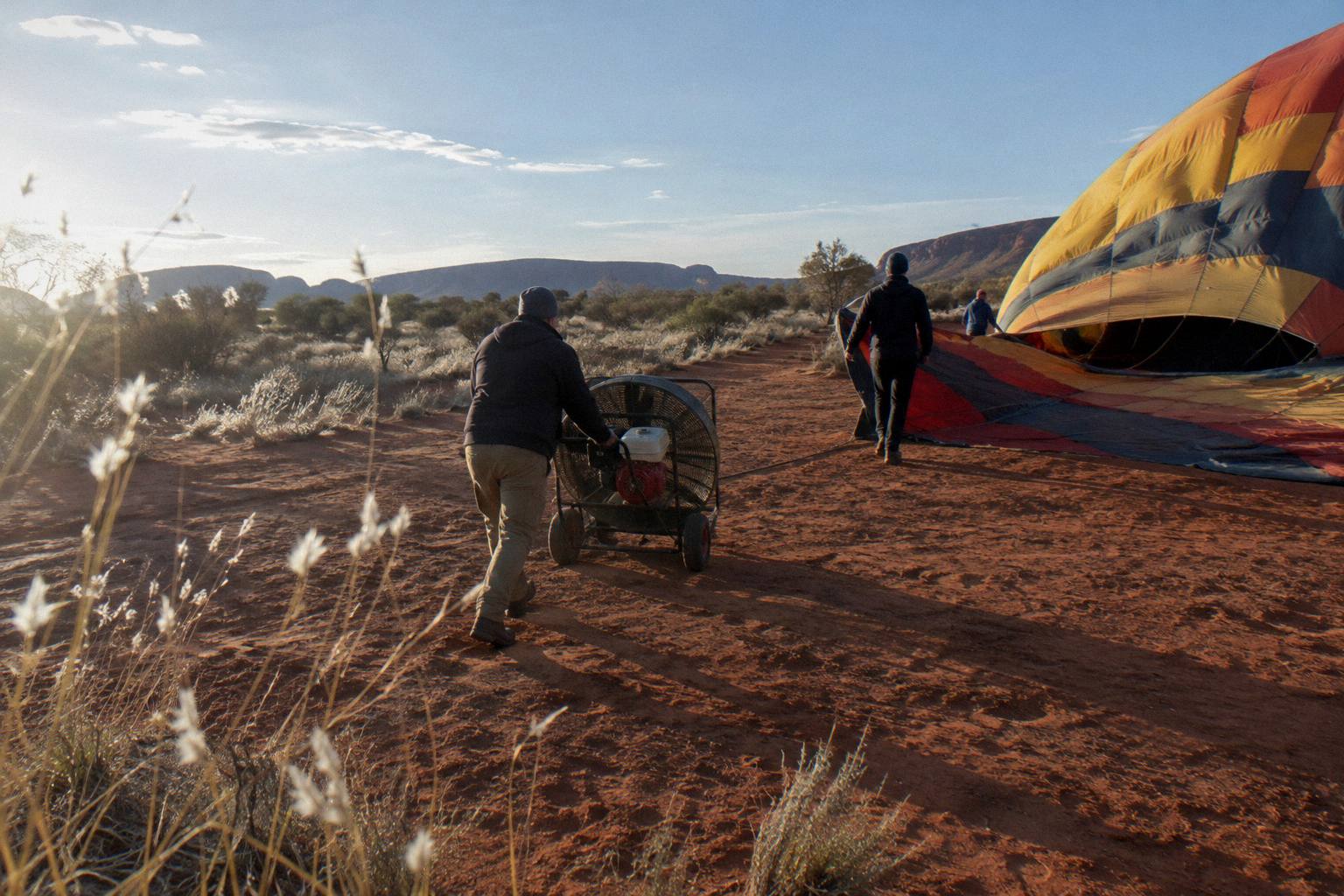
Ballooning over Alice Springs begins in the dark. Pickup runs approximately 1 hour before first light, about 4:15am in summer and about 5:45am in mid-winter, and the whole trip runs about 4 hours door to door. You will stand in an open field while a balloon inflates beside you, climb into a basket about 1.2 m high, and drift within the first 1000 ft above ground while the first light hits the MacDonnell Ranges. Every one of those stages makes a demand on your clothing, and the demand changes sharply with the season.
This guide sets out the operator's own clothing rules, then puts real numbers behind the pre-dawn cold using Bureau of Meteorology climate averages for Alice Springs Airport, station 015590, covering 85 years of records from 1941 to 2026. It also covers the items the operator asks you to leave behind, the questions the published rules do not answer, and what to plan for the hours after you land. Nothing here is brand advice: it is a planning guide built from the operator's stated requirements and official climate data.
What Are The Operator's Clothing Rules?
The operator, Outback Ballooning, asks passengers to wear outdoor clothing that is not white, long pants, a hat, and enclosed flat shoes with no high heels. It also asks for warm layers roughly May to September. Spinifex Ballooning, which operates in the same area, says a light jacket covers April to October and very warm clothing is needed in mid-winter. Dangling jewellery and scarves are banned at the launch site, and backpacks stay on the bus.
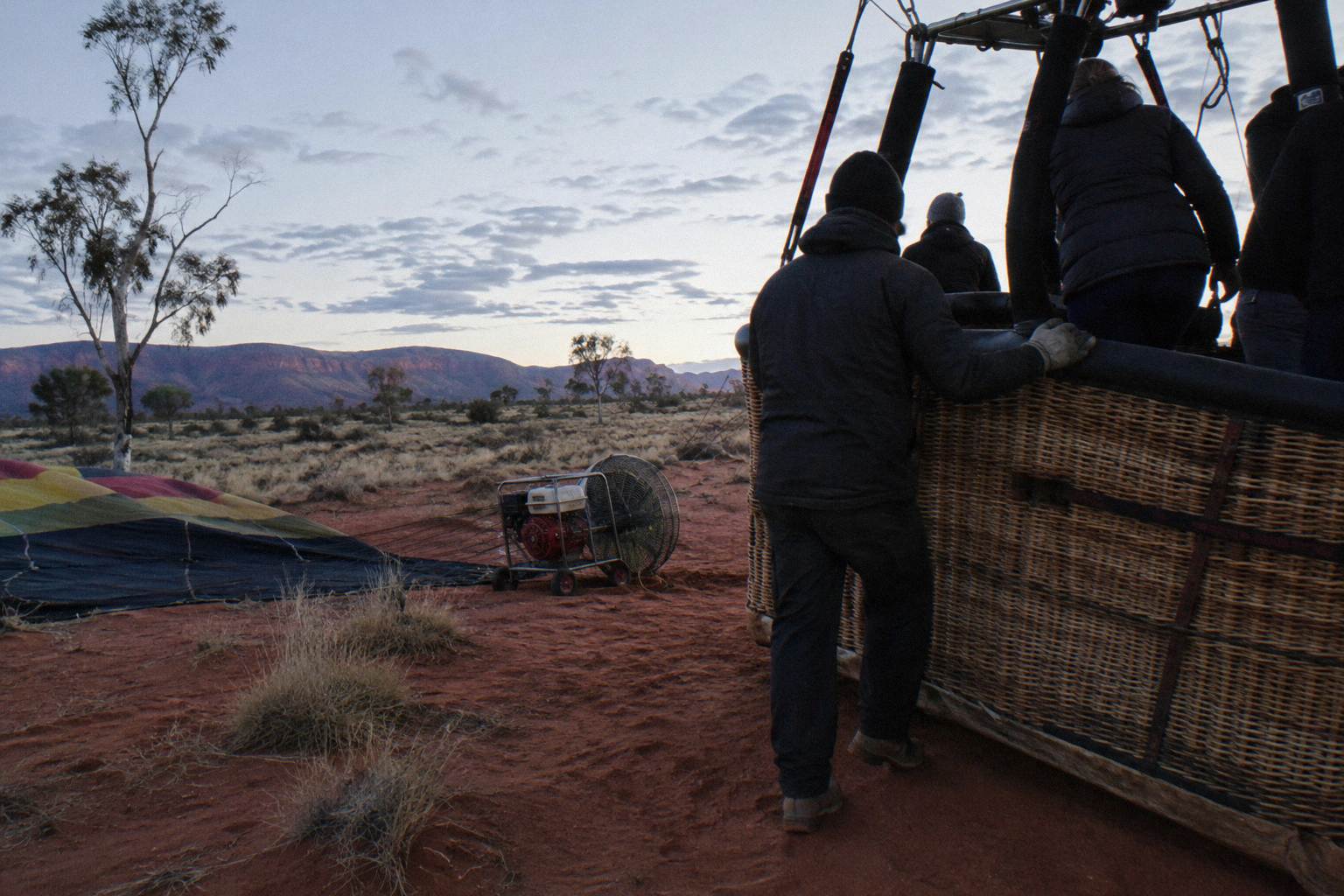
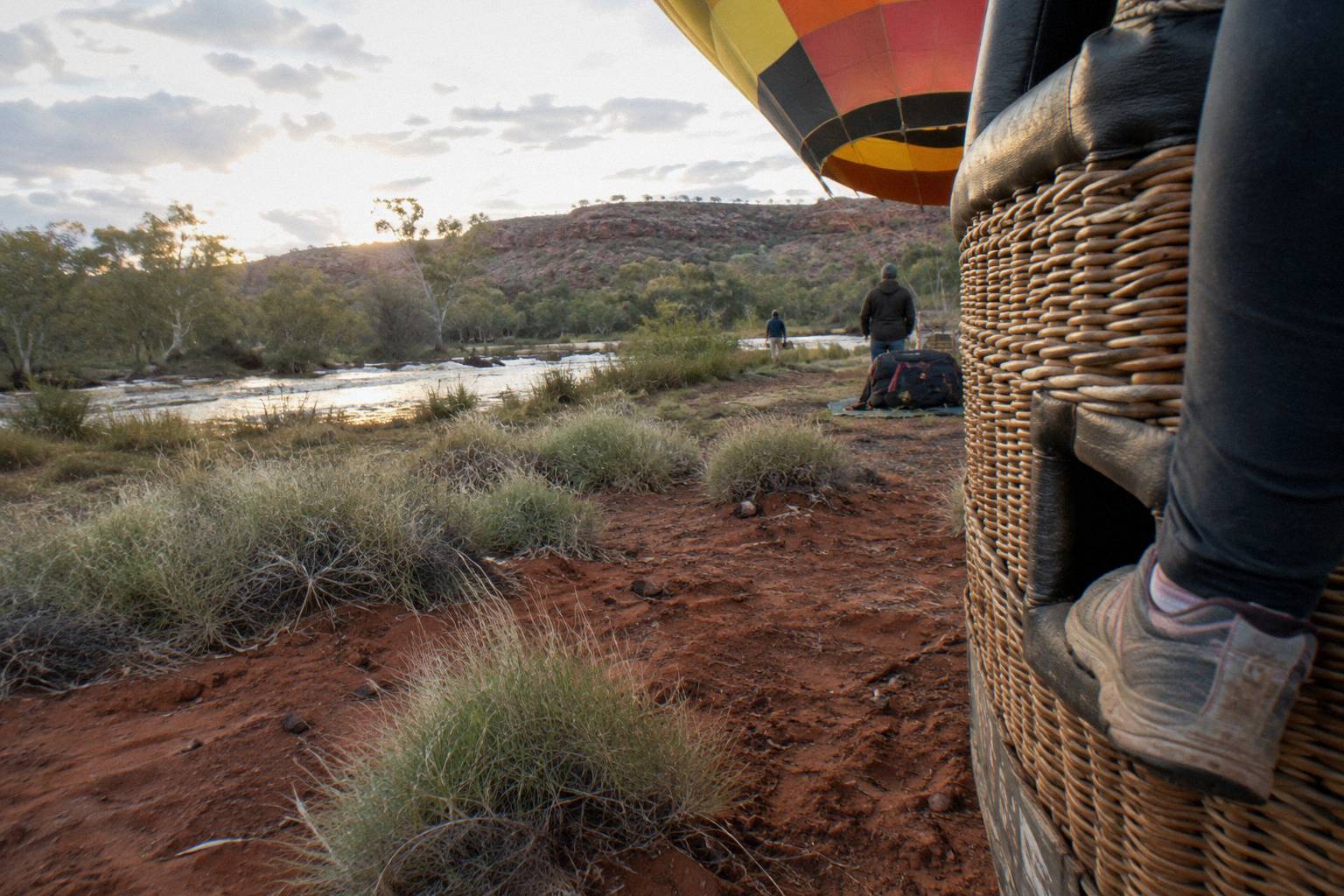
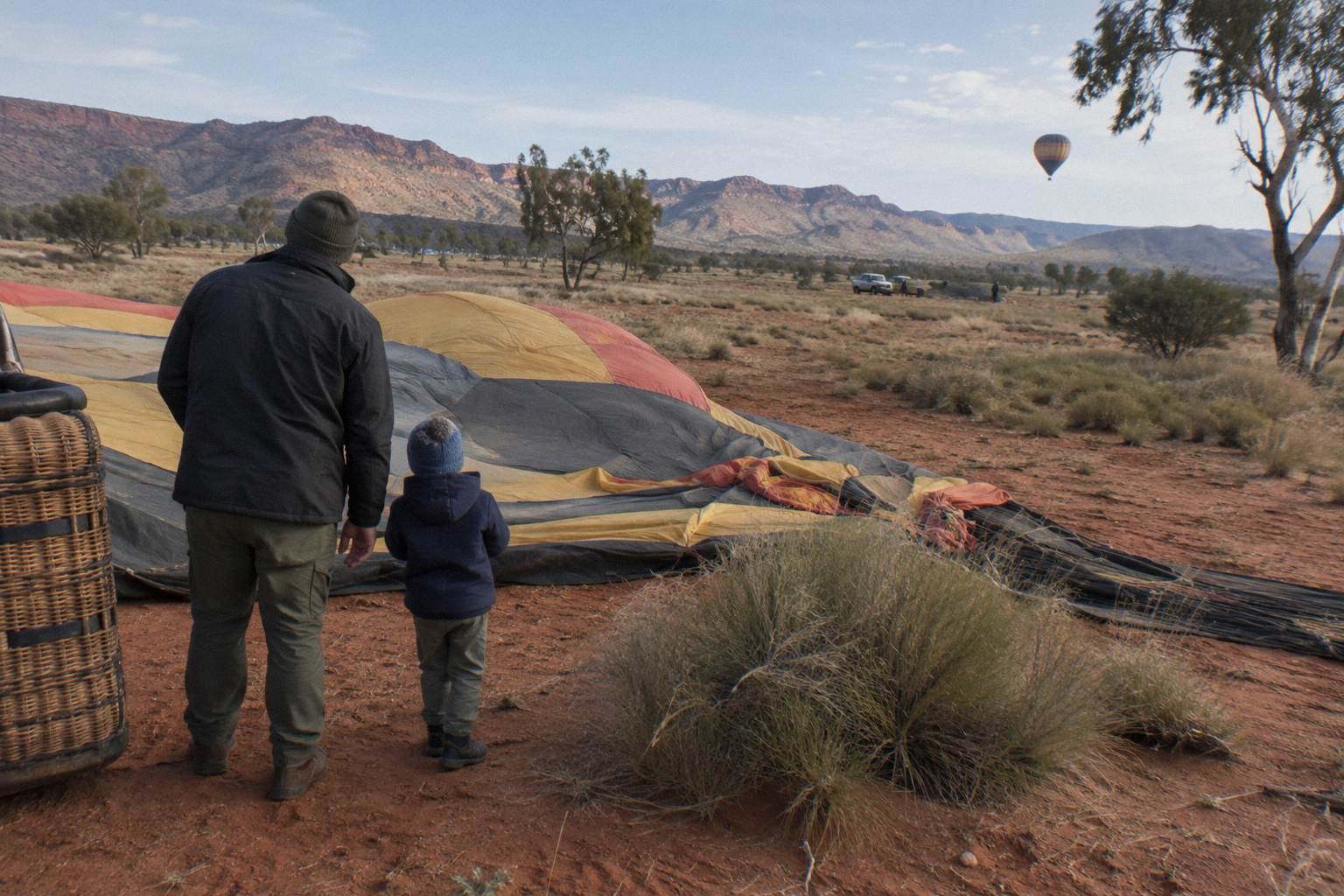
Those are the published rules, and they are short for a reason. A balloon launch is a working site: crew drive vehicles onto the field, a fan and burner run at full noise, and the basket tips upright before you board. Enclosed flat shoes matter because you climb into the basket unaided, using foot holes in a wall about 1.2 m high, and you stand for the duration of the flight. Long pants matter because the same climb, and the landing, can put you in contact with the basket, the ground and scrub. The full set of conditions of travel is on the operator's own pages, and its frequently asked questions page repeats the clothing list.
One rule stands out and deserves honesty: the operator says do not wear white, and gives no reason. Plenty of readers want an explanation involving dust or burner heat, but none is stated in any official source, so this guide will not invent one. Treat it simply as a stated requirement, the same as the enclosed-shoe rule. Likewise, the ban on dangling jewellery and scarves at the launch site is stated plainly. Scarves in particular are worth taking seriously around balloons: the NT WorkSafe record of a 2021 conviction relating to a 2013 passenger death, in which a scarf became entangled in the inflation fan, is covered in detail in the guide to whether hot air ballooning is safe.
How Cold Is The Pre-Dawn Launch, Really?
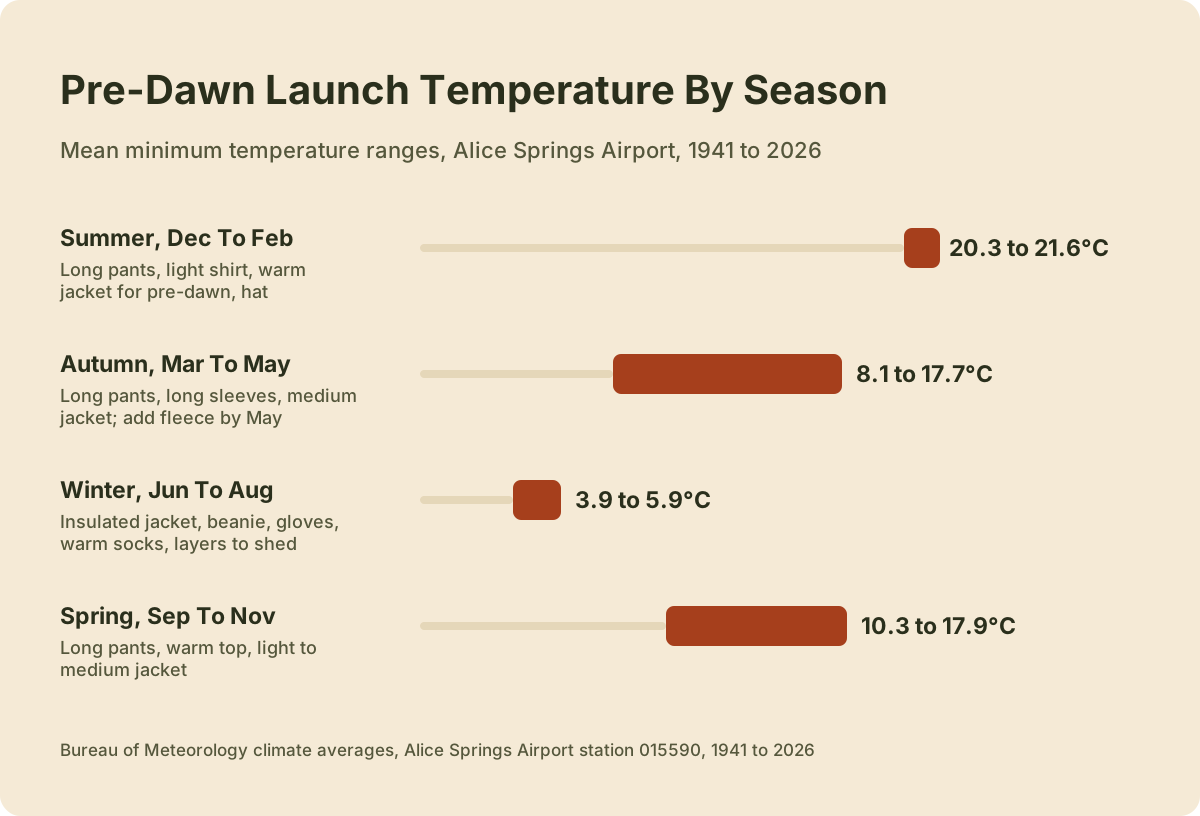
Colder than the daily average suggests. BOM whole-day statistics put the mean minimum at 21.6 °C in January and 3.9 °C in July, and your launch happens close to that minimum row because pickup is an hour before first light. The record lows drop to -7.5 °C in July and -6.0 °C in June.
The numbers deserve a table. These are the Bureau of Meteorology's climate averages for Alice Springs Airport, station 015590, computed from 1941 to 2026. Note the Bureau's caveat that these are whole-day statistics: pre-dawn temperatures sit close to the mean minimum row, not the mean maximum. The source table is published by the Bureau of Meteorology for station 015590.
| Month | Mean max (°C) | Mean min (°C) | Lowest recorded (°C) | Mean rain days |
|---|---|---|---|---|
| Jan | 36.6 | 21.6 | 10.0 | 4.9 |
| Feb | 35.3 | 20.8 | 8.5 | 4.6 |
| Mar | 32.8 | 17.7 | 6.1 | 3.5 |
| Apr | 28.4 | 12.6 | 1.4 | 2.1 |
| May | 23.1 | 8.1 | -2.7 | 2.9 |
| Jun | 20.0 | 4.9 | -6.0 | 2.6 |
| Jul | 19.9 | 3.9 | -7.5 | 2.5 |
| Aug | 22.9 | 5.9 | -4.1 | 1.8 |
| Sep | 27.5 | 10.3 | -1.0 | 2.4 |
| Oct | 31.3 | 14.9 | 1.3 | 4.3 |
| Nov | 33.8 | 17.9 | 3.5 | 5.6 |
| Dec | 35.6 | 20.3 | 9.3 | 5.9 |
| Annual | 28.9 | 13.2 | -7.5 | 43.1 |
Two practical readings follow. First, the gap between your 4:15am summer pickup and the afternoon maximum is about 15 degrees: a January launch can feel genuinely cool at 20-odd degrees, then be roasting by the time you are back at your hotel mid-morning. Second, winter is not a mild version of summer. A July morning averages around 4 °C at dawn, and the record low for the month is -7.5 °C. You will be standing still for stretches of the inflation and pack-up, which is when still air and cold ground take their toll. Layering beats any single warm item, because the burner throws heat across the basket once flying, and pack-up is physical work you can help with if you choose.
Rain is a smaller factor than temperature: even the wettest months, January at 41.8 mm and February at 42.4 mm, average fewer than five rain days each, and the year averages 43.1 rain days in total. The bigger weather question for ballooning is wind, and wind normals are not published in the climate table this research draws on, so this guide makes no claim about a "best wind month". Cancellations are the pilot's decision, and the guide to balloon flight cancellations and weather explains the policy.
What Should You Wear In Each Season?
In the warm months, November to March, think light outdoor clothing plus one warm layer for the hour before sunrise: long pants, a hat, enclosed flat shoes and a jacket you can shed. From April to October, add a light jacket as standard, per Spinifex's published advice. From May to September, Outback Ballooning asks for proper warm layers, and in mid-winter, June and July, plan for temperatures close to 4 °C at the field.
The two operators phrase their seasonal advice slightly differently, and both are worth quoting in spirit. Outback Ballooning's clothing advice calls for warm layers about May to September. Spinifex Ballooning says a light jacket from April to October and very warm clothing in mid-winter. Neither suggests shorts at any time of year, and both pair the clothing advice with the same standing rules: long pants, hat, enclosed flat shoes, nothing dangling.
| Season | Typical launch temperature (mean min range) | Clothing plan |
|---|---|---|
| Summer, Dec to Feb | 20.3 to 21.6 °C | Long pants, light shirt, warm jacket for the pre-dawn hour, hat, enclosed shoes |
| Autumn, Mar to May | 8.1 to 17.7 °C | Long pants, long sleeves, medium jacket; add a fleece by May |
| Winter, Jun to Aug | 3.9 to 5.9 °C | Very warm clothing: insulated jacket, beanie, gloves, warm socks; layers you can shed once the burner runs |
| Spring, Sep to Nov | 10.3 to 17.9 °C | Long pants, warm top, light to medium jacket; September mornings still near 10 °C |
A note on the burners, since it shapes the layering logic. Once the balloon is flying, the burner above the basket radiates noticeable heat whenever it fires, and passengers directly under it can go from cold to warm within seconds. That is the argument for layers over one heavy coat: you want the coat during inflation and pack-up, and the option to open or remove it in flight. Gloves matter more than most first-time flyers expect, because your hands are out of your pockets taking photos for an hour in July air.
Why Can't You Wear White, Heels Or A Scarf?
The operator states the rules without reasons: clothing should not be white, shoes must be enclosed and flat with no high heels, and no dangling jewellery or scarves are allowed at the launch site. No official page explains the white-clothing rule, and this guide will not guess at one. The other two rules follow from how a launch works.
High heels fail on every count: they are unsafe climbing the foot holes, impractical on uneven ground, and a hazard in a basket where the floor is what it is. Dangling jewellery and scarves are the launch-site rule, and given that the inflation fan runs at full power metres from where passengers stand, loose items that can catch or whip are a straightforward risk. The longer discussion of the 2021 NT WorkSafe conviction over the 2013 death of a passenger, in which a scarf became entangled in the inflation fan, sits on the safety page linked earlier. The short version for clothing: take the scarf rule literally, and take it seriously.
The white-clothing question comes up often enough that it has its own article: why you can't wear white on a hot air balloon. The honest answer there is the same one given here: the rule is published, the reason is not, and a research-based site should say so rather than fill the gap with invented dust or heat explanations. Follow the rule and save the guessing.
Backpacks are the last item on the banned-in-practice list. The operator says backpacks stay on the bus, which follows from basket space: compartments are about 60 cm wide and passengers stand for the whole flight. Whatever you want in flight, camera and jacket in hand, everything else stays with the vehicle that follows the balloon.
Should You Dress For The Whole Four-Hour Trip?
Yes. The experience runs about 4 hours from pickup, and only part of it is in the air. You stand in the dark through check-in and inflation, fly for 30 or 60 minutes depending on the flight you choose, then stand again through pack-up and the post-landing refreshments of sparkling wine, fruit juice, individually wrapped snacks and a commemorative certificate. Clothing that works for all four hours beats clothing tuned for any single hour.
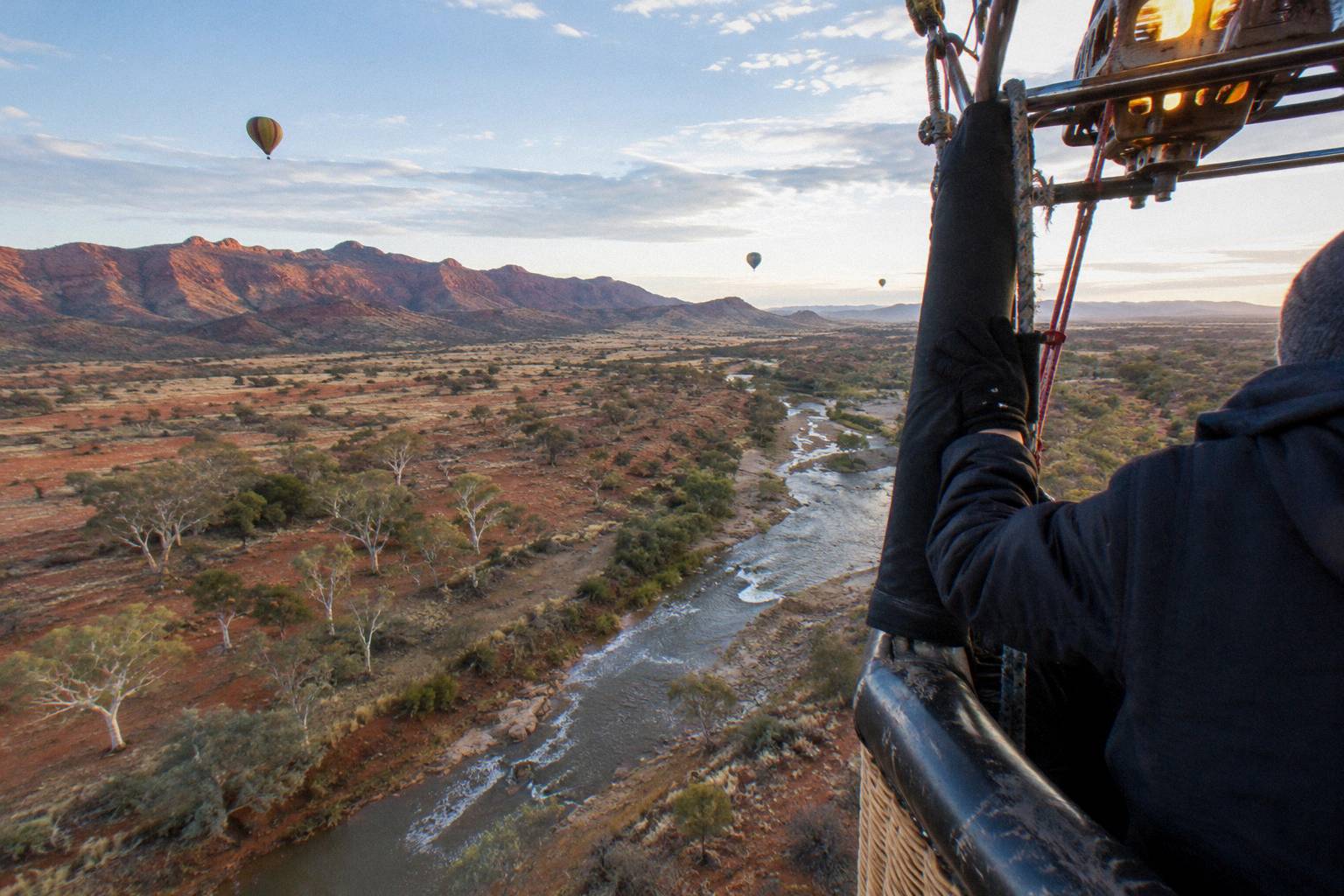
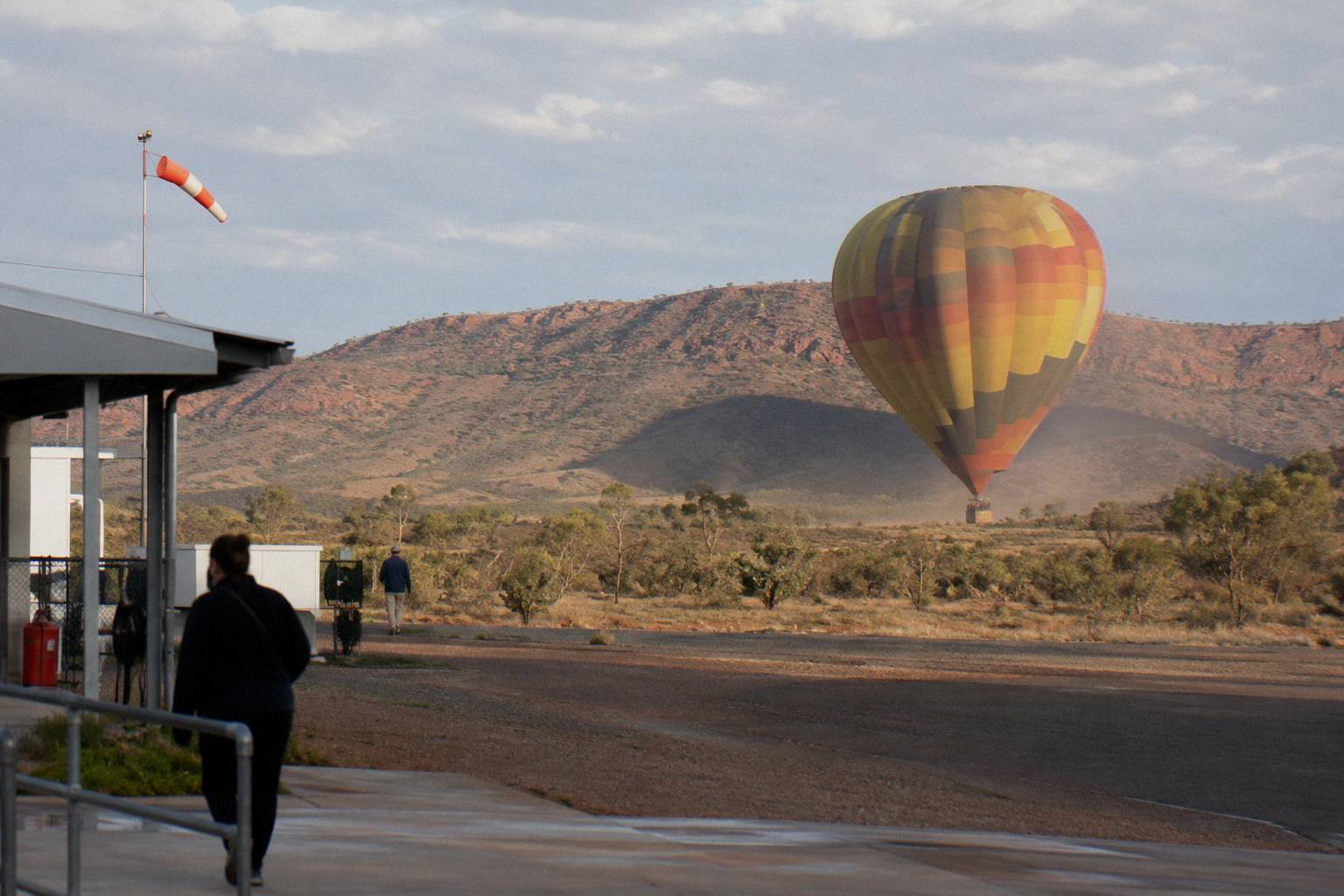
The timeline explains the demand. Pickup is roughly an hour before first light, about 4:15am in summer and about 5:45am in mid-winter, and the exact time is confirmed on booking and again the day before. You drive to a launch site about 15 km south of Alice Springs, near the MacDonnell Ranges and over historic Owen Springs Cattle Station, chosen for the morning's wind. Then comes inflation, boarding, the flight itself, the landing, the optional pack-up help, and the celebration before the drive back. Flights typically cover 10 to 20 km, and durations are approximate: the operator's terms state there is no refund if a flight runs under its advertised duration, and a 60-minute flight cut short is charged at the 30-minute rate, so dress for the morning you booked, not the minute count. Other pages covering the same trip are gathered on Alice Springs Hot Air Balloon.
Footwear deserves one repeat mention because it is the rule people most often bend. You must climb into the basket unaided, about 1.2 m up, using foot holes, and stand throughout. Sneakers or light boots do all of this and handle the dirt field. New white sneakers technically breach the not-white rule. Old ones do not.
The flight sold through this site is the Alice Springs early morning hot air balloon flight, rated 4.9 from 288 reviews on its main booking page, operated by Outback Ballooning, with 30 and 60 minute options selectable. When you are ready to choose a morning, the Outback Ballooning dawn flight is the one to book. Fares are as the operator lists them: A$380 adult and A$340 child for the 30 minute flight, A$450 adult and A$405 child for the 60 minute, child fares covering ages 6 to 14. The same flight also appears on a second booking page rated 4.8, so do not read those as two different products. Whether a specific morning requires the heavy layers or just a jacket is exactly what the temperature table above answers.
What Can You Bring Into The Basket?
The operator says backpacks stay on the bus, and passengers must be able to hold what they carry while standing for the flight. Whether cameras, phones or drones are allowed or restricted is not stated on any official page this research covers, so the honest answer is to ask the operator directly when booking. There is no published list of permitted devices, and inventing a policy either way would be guessing.
That non-answer is worth pausing on, because most readers arrive with a camera question. There is no published statement on photography equipment, no drone policy and no phone restriction, so the best move is to ask the operator directly. The operator's contact details are published, the check-in waiver is emailed five days before the flight, and the day-before confirmation call is a natural moment to confirm anything about gear. The guide to hot air balloon photography tips covers what to shoot and how, within the limits of what the operator permits.
What the published rules do settle is the standing arrangement. Baskets are about 1.2 m high with compartments about 60 cm wide, between 2 and 24 people per balloon by the operator's figures, and everyone stands for the whole flight. That geometry argues for minimal in-hand gear: whatever fits in pockets, plus at most one item you can hold one-handed while bracing with the other. Anything loose that can drop overboard or tangle fails the same logic as the jewellery rule.
| Item | Operator rule | Practical note |
|---|---|---|
| Enclosed flat shoes | Required, no high heels | Foot-hole climbing and dirt field |
| Long pants | Required | Basket climb and landing contact |
| Hat | Required | Sun after landing; warmth in winter |
| Warm layers | About May to September | Layer so you can shed once the burner runs |
| White clothing | Not permitted | Reason not stated by the operator |
| Dangling jewellery, scarves | Not allowed at launch site | Fan and burner hazard |
| Backpacks | Stay on the bus | Basket compartments are about 60 cm wide |
| Cameras, phones, drones | Policy not stated | Ask the operator when booking |
How Cold Will You Feel In The Air?
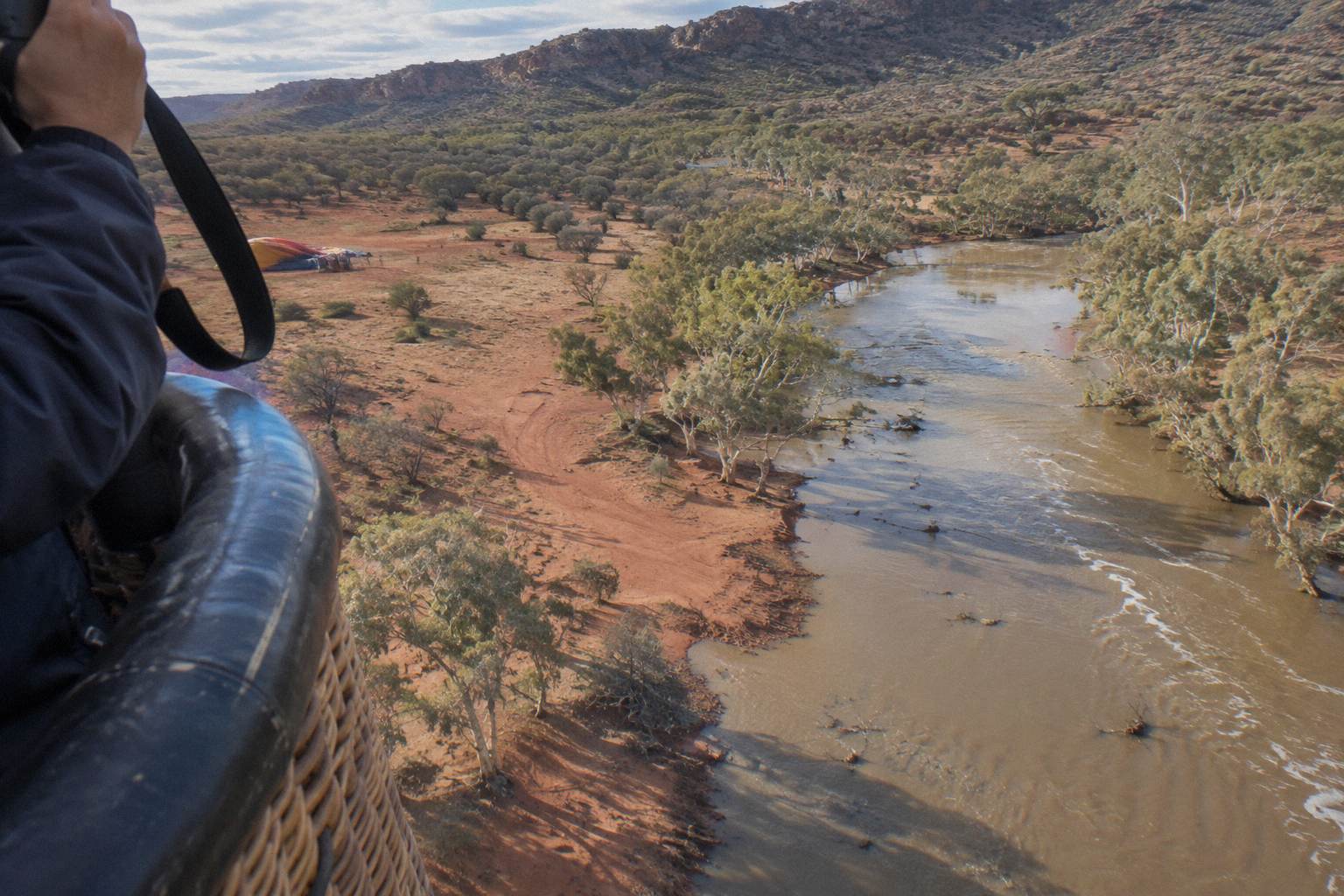
The flight stays within the first 1000 ft above ground, so the air temperature in the basket is close to the surface temperature, with some wind chill from the balloon's own drift. A July flight launches in air averaging close to 4 °C, a January flight close to 21 °C. The burner adds radiant heat in bursts when it fires.
Balloons drift with the wind rather than through it, which limits the wind-chill effect compared with an open vehicle, but you are still moving through still morning air in an open basket at altitude. The practical difference between a 30 and 60 minute flight is small on paper and real in person: the longer flight, which the operator describes as a chance to watch for kangaroos, spinifex grasses, mulga scrub and cattle stations, extends your standing time in cold air. Readers who run cold in general may find the guide on whether you will be cold on a balloon ride useful alongside the numbers here.
Winter flyers should plan the extremities as carefully as the core. A beanie and gloves cost nothing in basket space and change the whole experience of a 4 °C morning. Warm socks matter because the basket floor is what it is and you are standing for an hour. Summer flyers have the reverse problem: comfortable at launch, then facing a day that averages 36.6 °C at its January peak once the flight is over, so sun protection, the required hat and a plan for the afternoon all earn their place in the bag that stays on the bus.
What Should Children Wear?
The child fare covers ages 6 to 14 in both operators' brochures, ages 3 to 5 are accepted on an individual basis but not recommended, and the main booking page states age 6 and up with an adult. Children wear the same clothing as adults: long pants, hat, enclosed flat shoes, no white, layers for the season. The minimum age is recommended at 6 years, so winter mornings in particular call for proper warm clothing in small sizes.
The same rules that protect an adult on the launch field protect a child more, because the fan, the burner and the 1.2 m basket wall do not scale down. A child who is cold at 5:45am on a July morning, standing still through inflation, will not enjoy the flight regardless of the view. Pack for the mean-minimum row of the table above, add the record low for good measure in winter, and treat the spare layer as non-negotiable. The guide to the hot air balloon age limit covers the age and size rules in full, including the weight and medical questions the operator asks in advance.
One clothing rule has extra weight for families: backpacks stay on the bus. A parent carrying a child's jacket, snacks and water for four hours is a parent with no free hands at the basket climb. Give each child pockets and one warm layer worn, not carried.
What Should You Wear After The Flight?
You land in the same clothes you launched in, roughly 3.5 to 4 hours after pickup, usually back in town by mid-morning. Summer means dressing for a day averaging 36.6 °C at its January peak; winter means the morning's layers still earning their keep. The operator offers transfers to the airport on request, so some flyers go straight from the field to a travel day in balloon clothes.
The post-flight window is where clothing planning quietly pays off. The operator can drop guests at the airport or other tours on request, because the flight ends near it and the drive is 15 to 20 minutes. Flyers taking that option should wear something that survives both a cold field and a cabin: the same layers, minus the dirt, plus travel shoes rather than anything that needs changing. Whether any breakfast or other post-flight options suit your morning is covered on the page about hot air balloon breakfast options, and the wider question of how to spend the rest of the day is laid out in things to do after a balloon flight in Alice Springs.
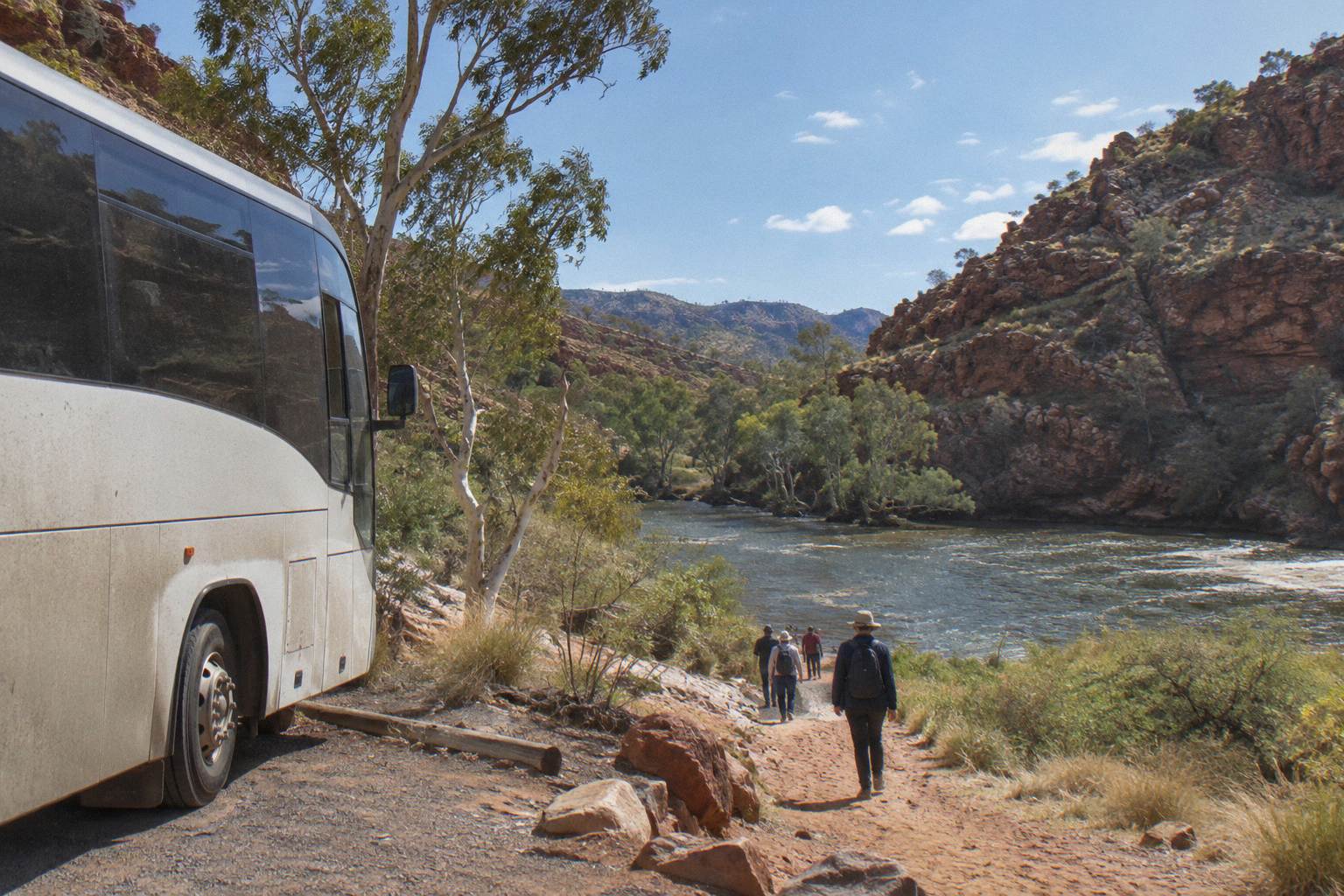
Two tours pair naturally with the flight, and both change what your morning clothing needs to do. The West MacDonnell Ranges day trip, run by Emu Run Experience, rated 4.7 from 334 reviews, departs 7:45 am, runs about 9.5 hours and returns about 5:30 pm, with hotel pickup, a guide, Standley Chasm entry, morning tea and a bushman's lunch. If the balloon operator transfers you across, you are wearing one outfit for a sub-5 °C dawn and a full day in the ranges, so layers, a hat and enclosed walking-capable shoes carry the whole plan. Prices are on the booking page.
The Alice Springs: West MacDonnell Ranges Day Tour with Lunch, run by Wildlife Tours Australia, runs about 10.5 hours as a full-day air-conditioned mini-coach trip departing in the morning. It suits the day before or after a dawn flight rather than the same afternoon, and a hat and long pants do double duty on its guided bush walks.
What Should You Not Bother Packing?
Anything that must be carried rather than worn stays behind: backpacks stay on the bus, dangling jewellery and scarves are banned at the launch site, high heels fail the basket climb, and white clothing breaches the stated dress rule. Drones and specialty camera gear are unaddressed in official policy, so ask rather than assume. Beyond that, everything you need in the air fits in pockets.
The shortlist is genuinely short, and that is the point. A balloon morning rewards travelling light: you are picked up in the dark, you climb into a basket with a compartment about 60 cm wide, you stand for the flight, and you help fold a balloon afterwards if you choose. Every item you carried is an item you set down, pick up again or hand to a crew member. The planning ranges that matter here are seasonal, not gadget-based: one warm layer in summer, a proper jacket from April, full winter kit from May to September, and very warm clothing in June and July when the record lows run below zero.
The clothing question is also, quietly, a booking-timing question. Winter mornings are the coldest and the clearest-feeling, summer mornings are the most comfortable at the field and the hottest after, and the choice between them is covered in the guide to the best time for a balloon flight in Alice Springs. Whatever month you choose, the operator's stated rules plus the BOM minimum row give you the whole answer: long pants, hat, enclosed flat shoes, nothing white, nothing dangling, and layers to match the number in the table.
Common Questions About What To Wear On A Hot Air Balloon
What Should I Wear On A Hot Air Balloon Flight?
Outdoor clothing that is not white, long pants, a hat and enclosed flat shoes with no heels, per the operator's rules. Add warm layers from about May to September, very warm clothing in June and July, and a light jacket from April to October. No dangling jewellery or scarves at the launch site, and backpacks stay on the bus.
How Cold Is A Sunrise Balloon Flight In Alice Springs?
Pickup is about an hour before first light, close to the day's minimum temperature. BOM averages for Alice Springs Airport put that at about 21.6 °C in January, about 12.6 °C in April and about 3.9 °C in July, with July's record low at -7.5 °C. Dress for the mean minimum row, not the afternoon maximum.
Why Can't You Wear White On A Hot Air Balloon?
The operator publishes the rule but not the reason, and no official page explains it. Follow it as stated; there is no verified explanation to give.
Can I Bring A Backpack On The Balloon?
No. Backpacks stay on the bus. Baskets are about 1.2 m high with compartments about 60 cm wide and everyone stands for the flight, so plan for pockets and at most one hand-held item.
Can I Bring A Camera Or Phone On The Flight?
Camera, phone and drone policy is not stated on any official operator page this research covers. Ask the operator when booking or at the day-before confirmation rather than assuming either way.
What Shoes Should I Wear Ballooning?
Enclosed flat shoes, no high heels. You climb into the basket unaided using foot holes, stand throughout the flight and walk on a dirt launch field, so sneakers or light boots are the practical choice.