Do You Get Motion Sickness In A Hot Air Balloon?
An honest look at motion sickness and balloon flights over Alice Springs: what the research does and does not say, what the operator's terms require, and how to decide whether to book.
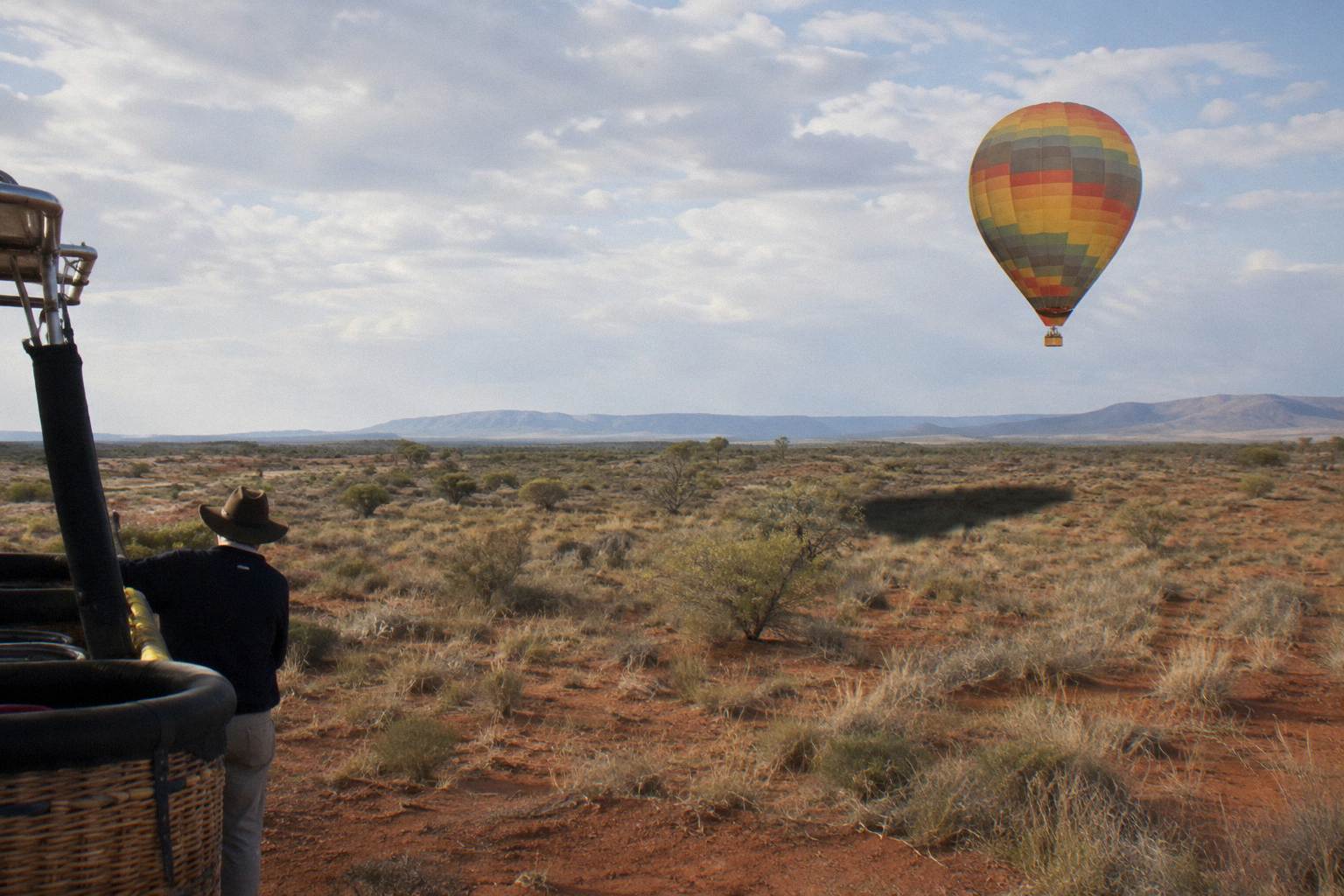
The physics helps here: a balloon moves with the wind rather than against it, so the constant acceleration and braking that trigger sickness in cars and boats is largely absent. But no research on Alice Springs balloon flights has studied motion sickness at all, and no operator can promise you will feel fine. This page lays out what is known, what is not, and the rules.
That opening honesty matters, because a lot of online content on this question is written as if there were data. There is not, at least not for ballooning in Central Australia. Nothing in the operator's published pages, its brochure, its terms or its booking pages mentions motion sickness, sea-sickness or nausea in any form. What exists instead is a well-understood account of why balloons feel different from other vehicles, plus a set of medical rules the operator applies to every passenger.
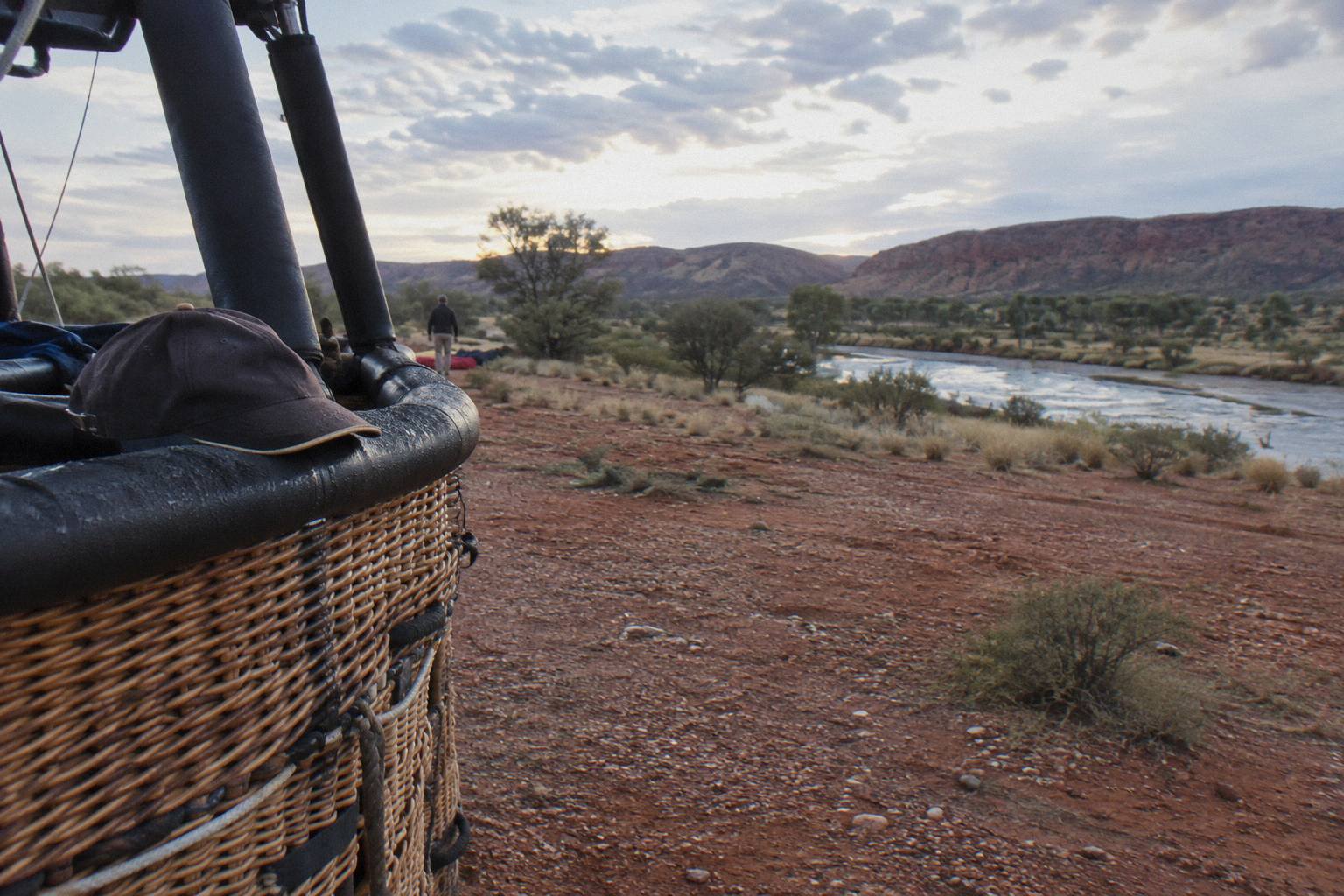
The flight sold through this site is Outback Ballooning's 30 or 60 minute dawn flight, rated 4.9 from 288 reviews on its main listing. It launches about 15 km south of Alice Springs, adjacent to the MacDonnell Ranges, and drifts over historic Owen Springs Cattle Station. If the question in your head is "will I be sick?", the practical answer is that a balloon is the gentlest form of flight most people will ever take, but your own medical situation is between you, the operator and the pilot.
If you are already close to booking, these are the three cards most readers comparing this decision look at:
Why A Balloon Ride Feels Different From A Car Or Boat
A balloon has no brakes, no steering inputs and no turbulence-inducing speed through the air, because it travels at exactly the speed of the wind around it. Motion sickness is usually triggered by repeated acceleration, by the eyes and inner ear disagreeing, or by fumes and confinement. A balloon basket has open air, steady movement and no sudden changes of direction, which removes most of the classic triggers in one stroke.
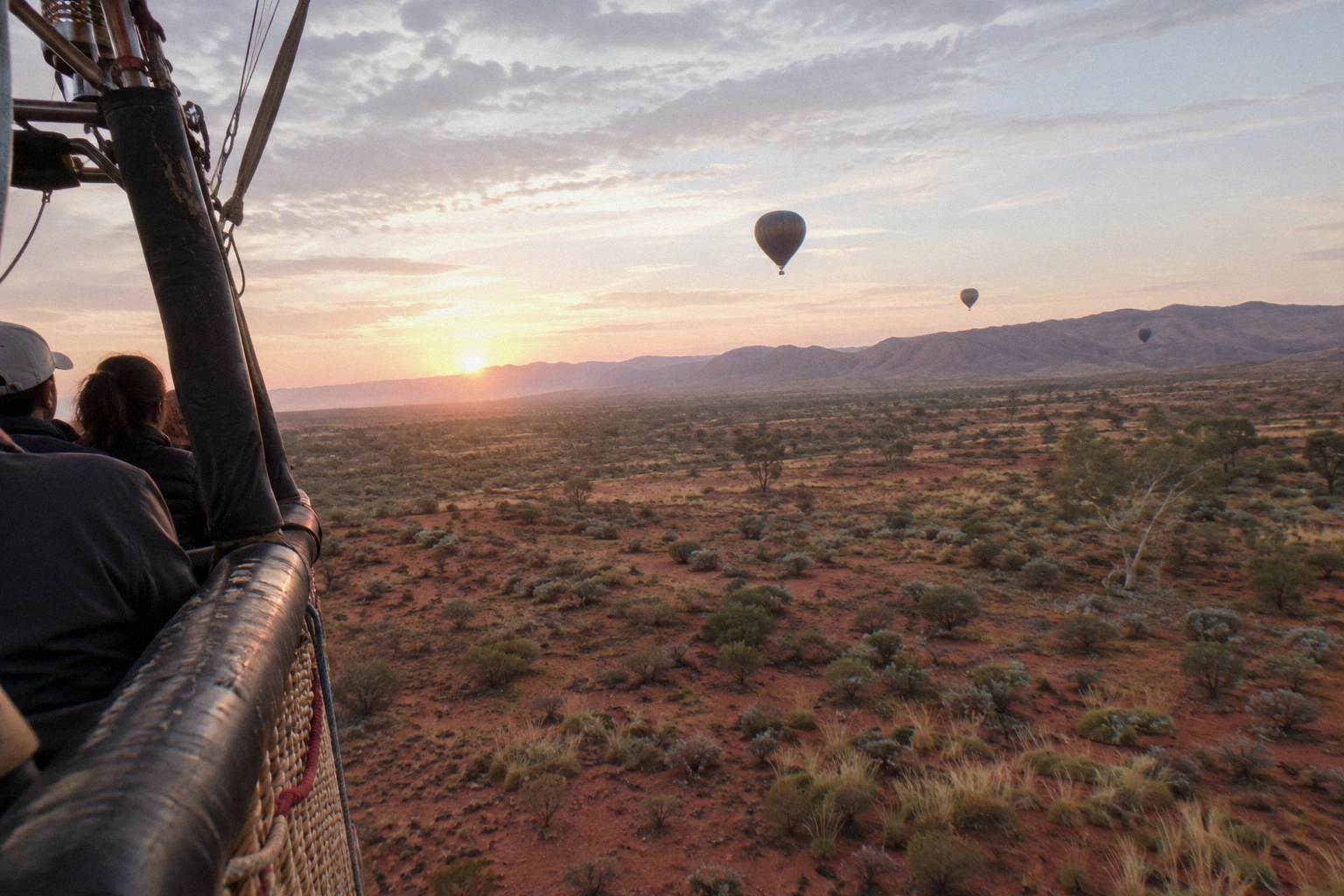
Think about what actually makes you ill in a car. It is the stop-start, the cornering forces, the lurch over a speed bump, the disconnect between what your eyes see inside the cabin and what your balance organs feel. A balloon has none of that machinery. The burner roars in bursts, the basket is open to the sky on all sides, and the horizon stays visible the whole flight. Outback Ballooning's own description of the 30 minute flight is "floating silently above the Outback as the morning light begins to illuminate the MacDonnell Ranges", and the word floating is doing real work there: passengers consistently describe the sensation as standing still while the ground slides past beneath.

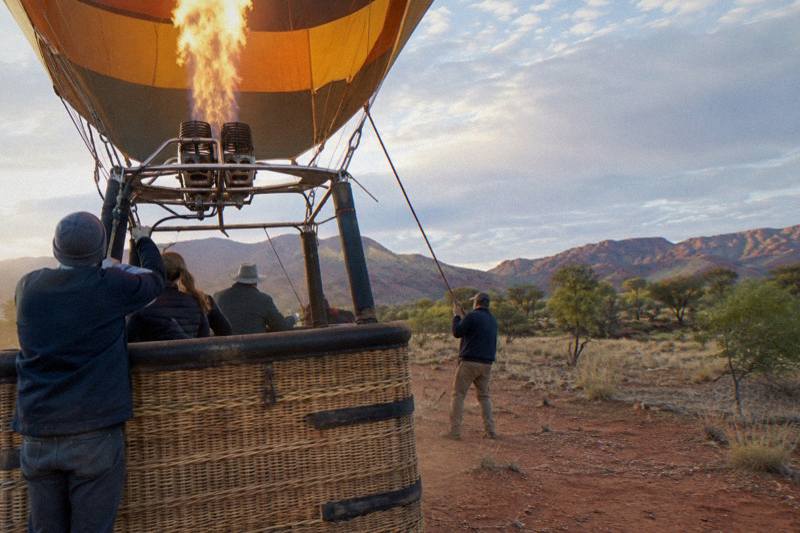
Flights stay within the first 1000 ft above ground, and the flight distance is typically 10 to 20 km, both operator-stated figures. There is no climbing to a cruise altitude, no banking, no descent you would notice. The main physical demand is that you stand throughout the flight, in a basket about 1.2 m high with compartments about 60 cm wide, holding the rope handles if you choose. For most stomachs, that is a far easier hour than a winding mountain road.
Two honest caveats belong here. First, the pre-dawn start means less sleep than usual for many travellers, and tiredness is a real contributor to feeling unwell on any vehicle. Second, anticipation itself can churn a stomach, and the launch is dramatic: the fan, the burner, the envelope rising. Neither has anything to do with motion, but both can mimic it.
What The Research Actually Says, And Does Not Say
No study, survey or operator document on Alice Springs balloon flights addresses motion sickness. Neither Outback Ballooning nor Spinifex Ballooning publishes a claim about it in either direction, and nothing in the verified research for this site contains motion-sickness statistics. Any article quoting a precise percentage of passengers who feel sick on balloons is filling a gap with invention. Treat it accordingly.
That is a deliberately blunt paragraph, and it is the information-gain point of this page. The web is full of confident numbers on this question, and none of them trace back to a source for Central Australian ballooning. What you can verify is the physical character of the flight, described above, and the operator's own words, quoted plainly.
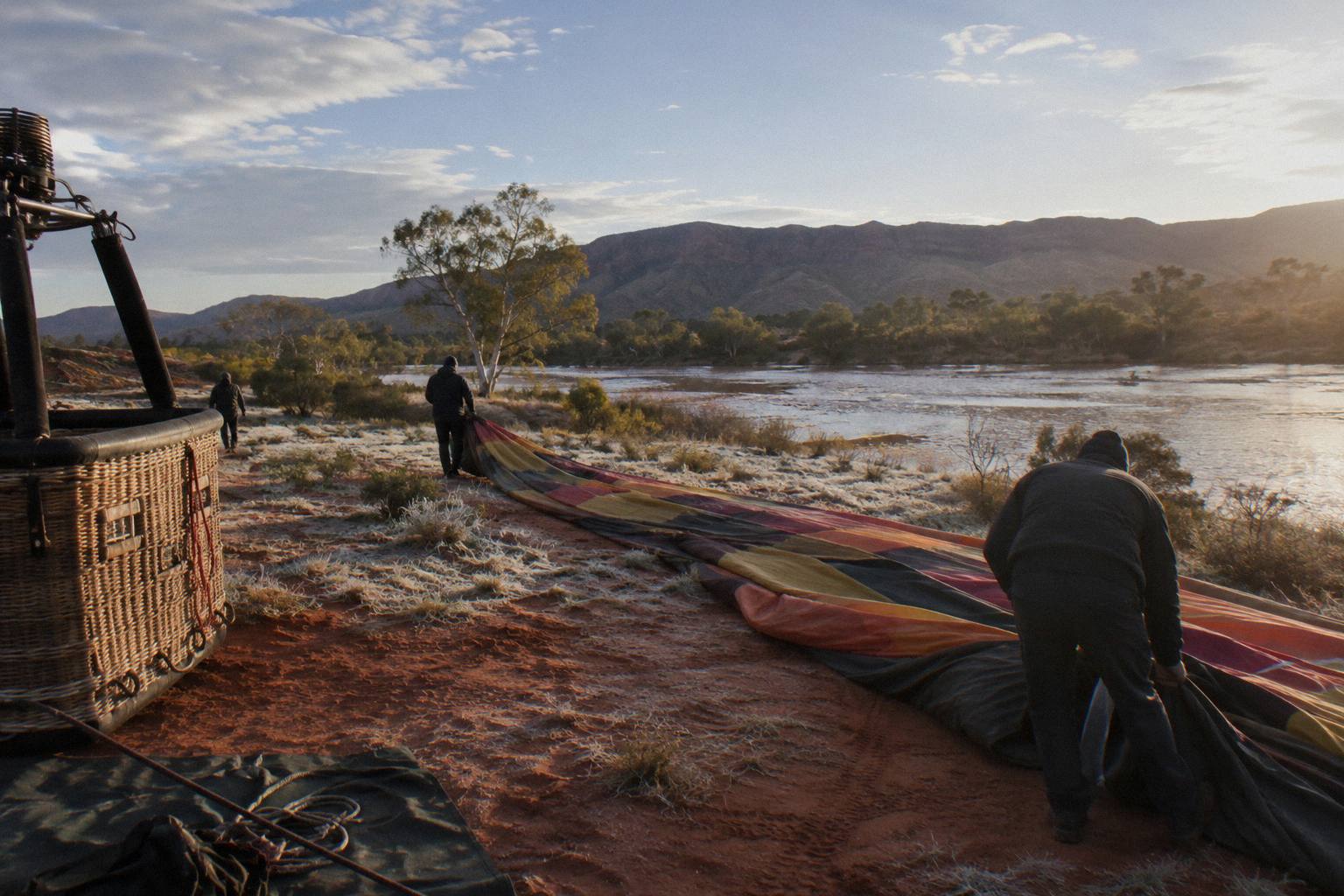
The broader flight picture is worth knowing too. The operator names red kangaroo, birds and wild camels as wildlife you might spot, and its 60 minute flight description tells passengers to keep an eye out for kangaroos, spinifex grasses, mulga scrub and cattle stations. After landing there are light individually wrapped snacks, Australian sparkling wine and fruit juice, and a commemorative certificate. None of this bears on motion sickness, but it sketches the rhythm of the morning: a short, slow drift, then standing on the ground again, all inside about 4 hours from pickup.
The site's own overview of Alice Springs ballooning covers the flight experience in more detail if you want the full picture: what an Alice Springs balloon flight is actually like.
The Medical Rules You Must Follow Before Booking
Outback Ballooning's terms require passengers to notify the operator in advance of medical conditions, and each case is assessed individually with the pilot's discretion absolute. There is no motion-sickness-specific rule, but if nausea susceptibility is part of your medical history, the terms say it is something to raise before you fly, not on the launch field. Pregnancy beyond 12 weeks is not flown at all.
This is the part of the question with a firm answer. The operator's published conditions state that medical conditions and disability must be declared in advance, that assessment is individual, and that the pilot's decision on the morning is final. The online check-in waiver is emailed five days before the flight, which is a natural moment to raise anything relevant. The main booking page also states the flight is not suitable for pregnant or mobility-impaired passengers, and Outback and Spinifex both state they do not fly passengers beyond 12 weeks of pregnancy, citing CASA and their own policy.
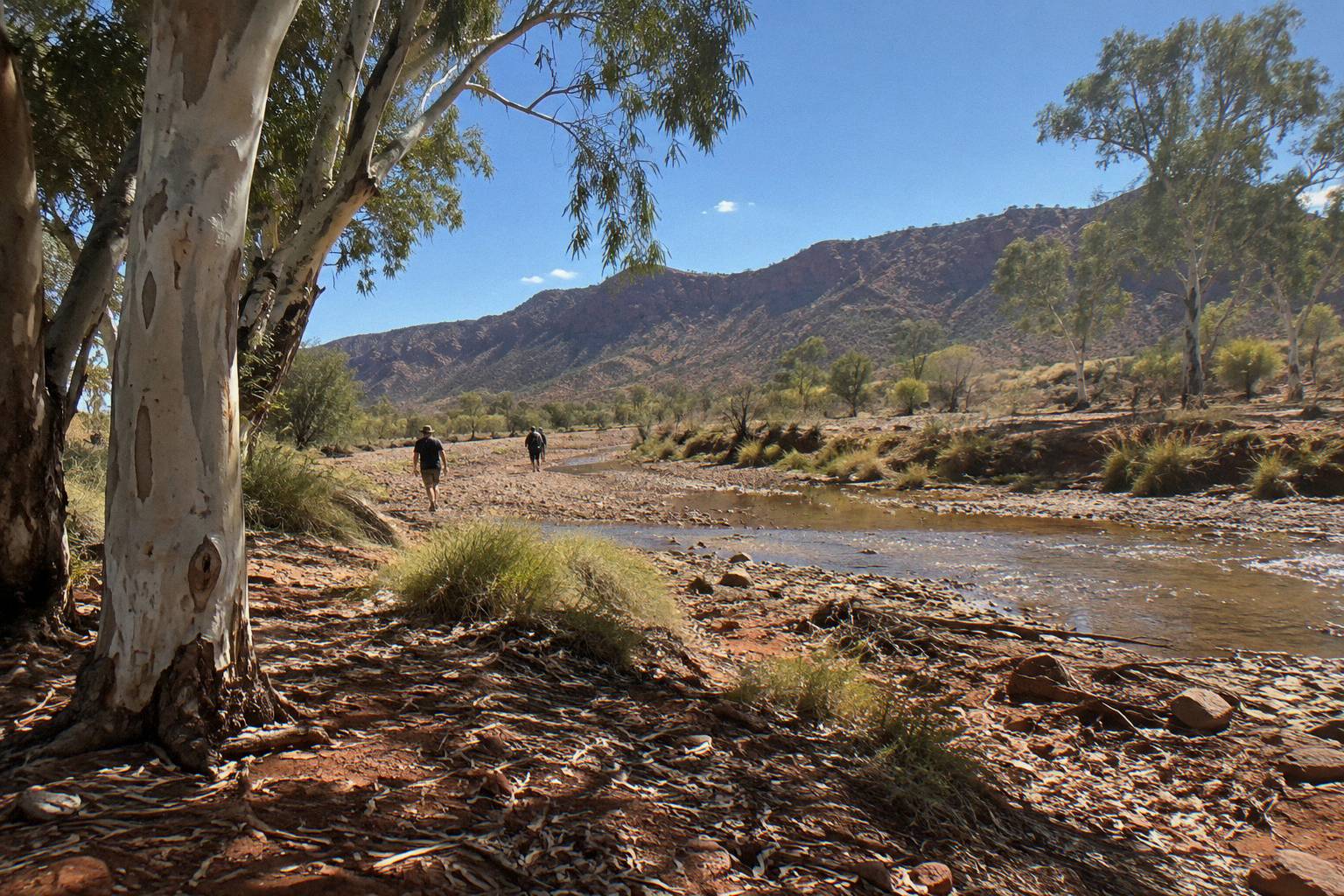
Passengers must also climb into the basket unaided, using foot holes in a wall about 1.2 m high, and stand for the whole flight. That physical requirement is unrelated to nausea but relevant to the same go-or-no-go decision, so it belongs in the same conversation with the operator. On weights: there is no published weight limit as such, though passenger weights are collected, and passengers over 110 kg receive an extra safety email. The site's guide to the hot air balloon weight limit explains exactly what is and is not published.
| Requirement | What the operator's terms say | Who decides |
|---|---|---|
| Medical conditions | Notify in advance, each case assessed individually | Pilot's discretion is absolute |
| Pregnancy | Not flown beyond 12 weeks | Operator policy citing CASA |
| Mobility | Must climb into the basket unaided, about 1.2 m with foot holes, and stand throughout | Operator terms |
| Weights | No weight limit as such; weights collected, extra safety email over 110 kg | Operator safety process |
| Minimum age | Recommended 6 years; ages 3 to 5 accepted on an individual basis, not recommended | Operator policy |
What the operator does not do is offer medical advice, and neither does this page. If you have a diagnosed vestibular condition, a history of severe sickness in vehicles, or you take medication for nausea, the correct move is a direct question to the operator before booking. The site's longer treatment of the topic is here: who should not ride in a hot air balloon.
The 4Am Start And Where Queasiness Could Actually Come From
If people feel off on a balloon morning, the more likely culprits are the early wake-up, an empty or overfull stomach, and the bus ride to the launch field, not the flight itself. Pickup is about one hour before first light, roughly 4:15am in summer and about 5:45am in mid-winter, confirmed on booking and again the day before, and the whole trip runs about 4 hours door to door.
The transfer is included from most Alice Springs accommodation, and the timeline is worth walking through, because the flight is only one part of a long morning. Rural and camping guests meet instead at Crowne Plaza Lasseters reception, 93 Barrett Drive. There is no pickup from Uluru, which is about 450 km away and not visible from the flight, so the operator's guidance is to stay the night in Alice Springs. The site's guide to balloon flight hotel pickup in Alice Springs covers accommodation choices in detail.
| Stage of the morning | Rough timing | What you are doing |
|---|---|---|
| Pickup | About 1 hour before first light | Hotel pickup, roughly 4:15am summer or 5:45am mid-winter |
| Drive to launch field | About 15 km south of Alice Springs | Seated transfer to a field near Owen Springs Cattle Station |
| Inflation | About 30 minutes | Fan and burner, envelope rising, standing at a distance |
| Flight | 30 or 60 minutes | Standing in the basket, drifting with the wind |
| Pack-up and return | About 1 hour | Optional help packing the balloon, then transfer back |
Notice that two of the five stages involve a vehicle on ordinary roads. For a passenger whose stomach is sensitive, the minibus is a more plausible trigger than the balloon, and unlike the flight it happens before dawn with little to look at. Eating something plain beforehand, and sleeping as well as the hour allows, are the two decisions fully in your control. Beyond that, this page will not offer remedies: none exist in the research, and inventing them would be medical advice.
One more operator-stated fact that shapes the morning: flights are not guaranteed to be in the air at sunrise, and the pilot's decision on weather is final. If a flight is cancelled for weather or minimum numbers, guests rebook another day or take a full refund if prepaid. The full picture is in the guide to balloon flight cancellations and weather.
Reading The Flight's Comfort Factors Honestly
Comfort on this flight comes down to three measurable things: the basket you stand in, the group size around you, and the season's pre-dawn cold. Baskets are about 1.2 m high with compartments about 60 cm wide, carrying 2 to 4 up to 24 people per balloon for Outback Ballooning, while Spinifex quotes different figures, so the operators give different group sizes. Winter pre-dawn temperatures average around 4 degrees.
None of these is a motion-sickness factor, but together they decide how the morning feels, and a reader asking the sickness question usually wants the whole comfort picture. The Bureau of Meteorology's long-run station for Alice Springs Airport records a July mean minimum of 3.9 degrees, with the lowest on record at minus 7.5, and pre-dawn launch-field conditions sit close to those minimum figures. The operator advises warm layers about May to September, outdoor clothing that is not white, long pants, a hat and enclosed flat shoes. The full clothing guidance is in the site's article on what to wear on a hot air balloon ride.
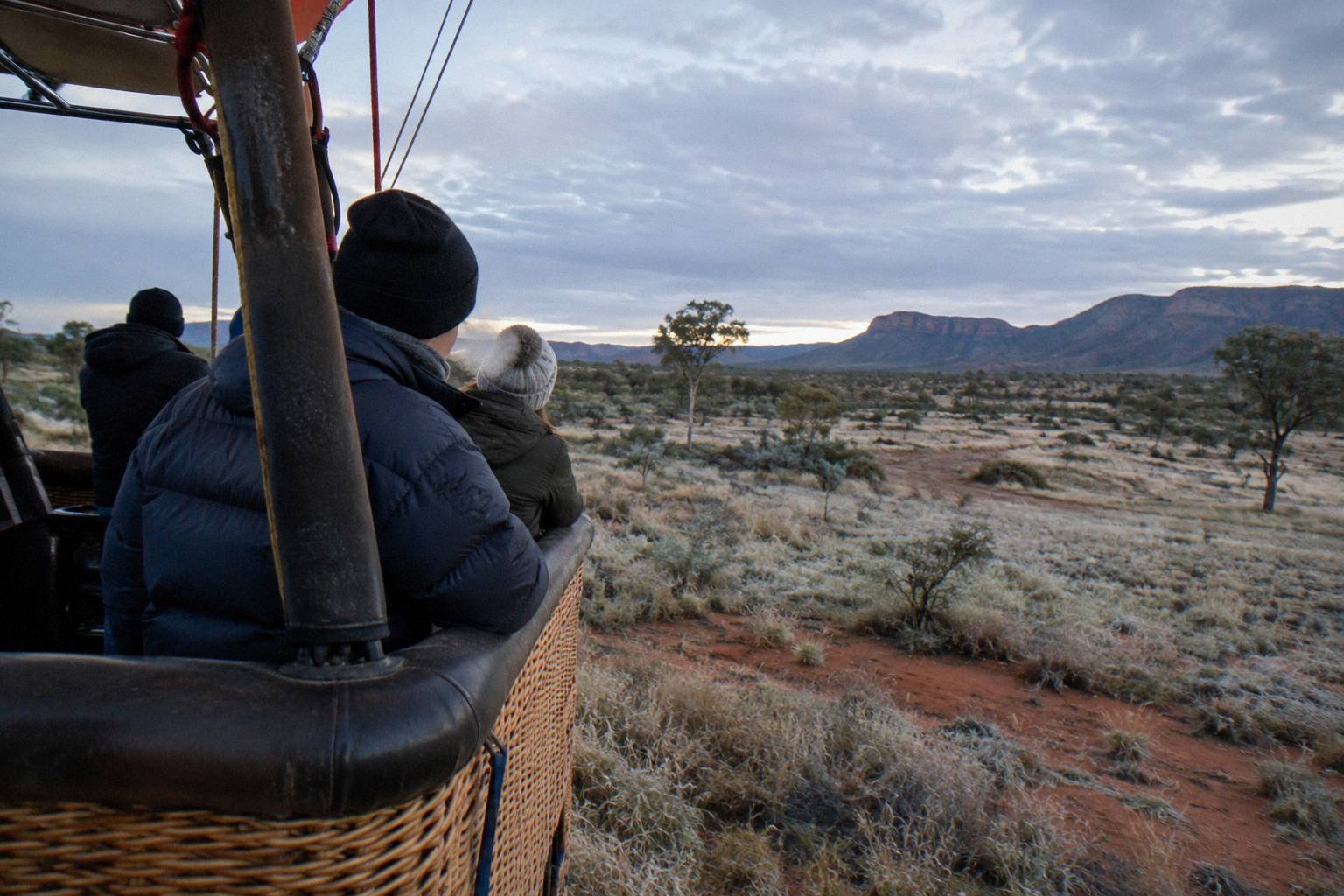
Season also changes the feel of the morning without changing the flight. The operator flies daily all year except New Year's Day, Christmas Day and Boxing Day, weather and loadings permitting. Summer brings 5:42 sunrises and warm pre-dawn air; mid-winter brings the coldest standing weather and the latest pickup. There is no wind data in the research, so no month can be called the calmest, and any claim to a best wind month would be invention. The site's guide to the best time for a balloon flight in Alice Springs works only from what can be verified, drawing on the same Bureau of Meteorology climate averages used here.
For context on why the flight feels so stable, there is also the operator's regulatory footing. Outback Ballooning holds CASA Air Operator Certificate CASA.AOC.0496, is a CASA Approved Maintenance Organisation, and its pilots hold a Commercial Balloon Pilot Licence, an aviation medical and a security clearance, as set out on the operator's CASA-regulated page. Spinifex prints the same AOC number, and both brands appear to operate under one certificate. The safety record, including a 2021 conviction arising from a 2013 fatality, is covered fully in the site's guide on whether hot air ballooning is safe.
Booking With A Sensitive Stomach: Which Card To Pick
If you are booking while unsure how your stomach will react, the 30 minute flight is the logical choice: same launch, same basket, same operator, a shorter standing time, and an operator-published adult fare of A$380 versus A$450 for the 60 minute option. Fares include return transfers, light refreshments including sparkling wine and fruit juice, and the commemorative certificate.
Treat these figures as the operator's published fares. Booking-page prices can differ from them and can change over time, so confirm the price on the booking page for the 30 minute dawn flight. The child fare for ages 6 to 14 is A$340 on the 30 minute flight. There is also a Balloon Chase option at A$110 adult and A$99 child, which keeps a non-flying companion on the ground following the balloon, though it needs at least one adult booked on a flight and children cannot chase alone. For a traveller who genuinely fears sickness, the chase is the only way to share the morning without leaving the ground.
The same flight is sold on a second booking page, "Early Morning Ballooning in Alice Springs", carrying a 4.8 rating. It is the identical Outback Ballooning experience, not a different operator or a different basket, so choose between the two listings on price and availability, not on the experience. The site's comparison of the two balloon booking pages lays out the differences plainly.
If a dawn flight still feels like a stretch, a ground-based alternative is the West MacDonnell Ranges Day Tour With Lunch, run by Wildlife Tours Australia, about 10.5 hours with a morning departure; the booking page rating is worth a glance before you commit. A full-day outing with guided bush walks, it suits the day before or after a dawn flight rather than the same day.
Common Questions About Motion Sickness In Hot Air Balloons
Do You Get Motion Sickness In A Hot Air Balloon?
Most passengers do not, because a balloon moves with the wind and lacks the acceleration, braking and confinement that trigger sickness in cars and boats. However, no research exists on motion sickness in Alice Springs balloon flights, so no one can quote you a real rate. If you are prone to sickness in vehicles, raise it with the operator before booking.
Does The Alice Springs Balloon Flight Feel Like A Boat?
No. A boat pitches and rolls through water; a balloon drifts at the speed of the surrounding air, with no steering inputs and no repeated jolts. The operator describes the 30 minute flight as floating silently above the Outback, and the flight stays within the first 1000 ft above ground over a typical 10 to 20 km distance.
Do I Have To Tell The Operator If I Get Motion Sickness Easily?
Yes, under the operator's terms any medical condition must be notified in advance, each case is assessed individually, and the pilot's discretion is absolute. The online check-in waiver arrives by email five days before the flight, which is the natural moment to raise it. The operator offers no medical advice and neither does this page.
Could The Early Start Make Me Feel Sick Even If The Flight Doesn't?
It could. Pickup is about one hour before first light, roughly 4:15am in summer and 5:45am in mid-winter, so many passengers fly on less sleep than usual, and the transfer to the launch field is an ordinary road trip before dawn. Sleep and a plain breakfast are the two factors you control.
Is There A Shorter Option If I'm Worried About A Long Flight?
Yes. The 30 minute flight is the operator's shorter product, with a published adult fare of A$380 against A$450 for the 60 minute flight, and the whole trip runs about 4 hours door to door either way. There is also a ground-based Balloon Chase at A$110 adult, though it requires at least one adult booked on a flight.
Can I Take Motion Sickness Medication Before The Flight?
That is a question for a pharmacist or doctor, and the operator does not advise on it, nor does it publish guidance on medication and balloon flights. Whatever you decide, the operator's terms still require you to declare relevant medical conditions in advance.
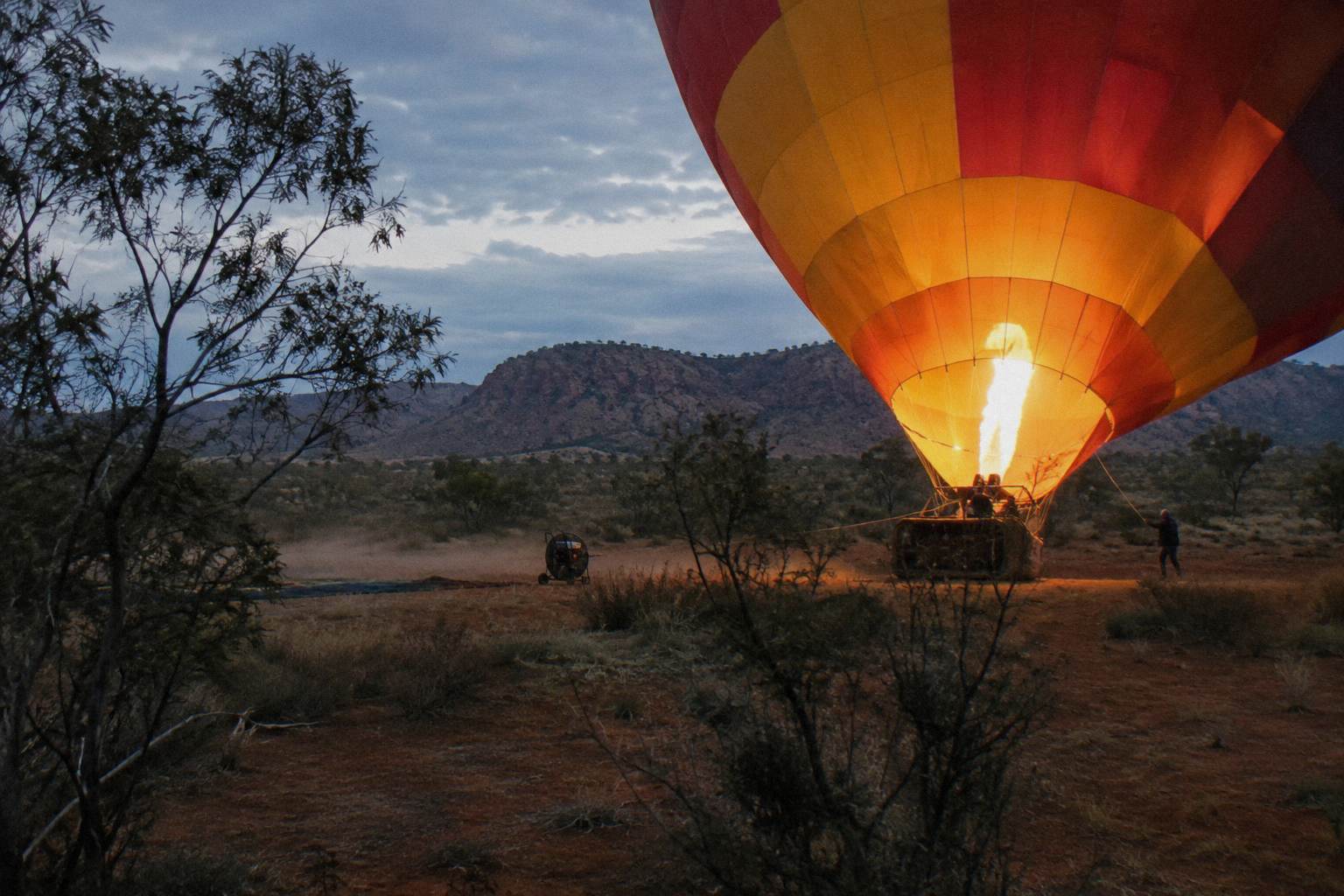
Whatever you decide, book through the operator's booking page rather than from any figure printed here, since fares and availability move with the season, and the operator confirms your exact pickup time both on booking and again the day before the flight. This page sits within a wider set of guides at Alice Springs Hot Air Balloon, and readers who found it useful usually move on to the question of whether a balloon ride is worth the money. To compare the flight and its alternatives one more time: