Who Should Not Ride In A Hot Air Balloon?
The operator-stated restrictions on Alice Springs balloon flights: pregnancy beyond 12 weeks, mobility limits, medical conditions, young children, and what the pilot decides on the morning.
Hot air ballooning has a short list of people it does not suit, and the list is shorter than most travellers expect. There is no upper age limit, no height limit and no hard weight cutoff on the Alice Springs flights. What the operator's terms do set are firm lines around pregnancy beyond 12 weeks, the physical demands of getting into and standing in a basket, and medical conditions the pilot assesses case by case with absolute discretion.
This article walks through those rules exactly as Outback Ballooning, the operator behind Alice Springs Hot Air Balloon's featured flights, states them, and adds the climate and timing context that matters in Central Australia. Nothing here is medical advice; where a health question is involved, the answer is a conversation with the operator before booking and your own doctor.
The operator's terms rule out passengers pregnant beyond 12 weeks, anyone who cannot climb into the roughly 1.2 metre basket unaided or stand for the whole flight, and children under 6 as a recommendation, while medical conditions and disabilities are assessed individually with the pilot's discretion absolute. The main booking page states plainly that the flight is not suitable for pregnant or mobility-impaired passengers. Everything else, including age upwards, weight and height, is handled case by case rather than banned outright.
That is the honest summary. The detail behind each restriction is worth understanding before you book, because several of them are about the launch field and the basket rather than the flight itself. Ballooning has no doors, no seats and no way to step out once the burner starts, so the operator has to be certain every person on board can manage the whole experience safely.
The featured flight this site covers, Alice Springs: Early Morning Hot Air Balloon Flight, run by Outback Ballooning and rated 4.9 from 288 reviews on its main booking page, carries exactly these rules. If any restriction below touches you or a travelling companion, raise it before booking rather than on the morning, when the pilot's decision is final.
For travellers who find themselves on the wrong side of one of these rules, the same booking pages carry a ground-based alternative: the Hot Air Balloon Chase, where you follow the balloon by vehicle, at the operator's published fare of A$110 adult and A$99 child, though children cannot chase alone and at least one adult must be booked on a flight. And the region keeps other options, which this article touches on near the end.
Pregnancy And The 12-Week Rule
Both Alice Springs balloon operators, Outback Ballooning and Spinifex Ballooning, state they do not fly passengers beyond 12 weeks of pregnancy, citing CASA guidance and their own policy. Earlier in pregnancy the operators' terms do not carry an outright ban, but the main booking page's wording is blunt: the flight is not suitable for pregnant passengers. Anyone pregnant should talk to the operator directly before booking rather than reading a general rule into silence.
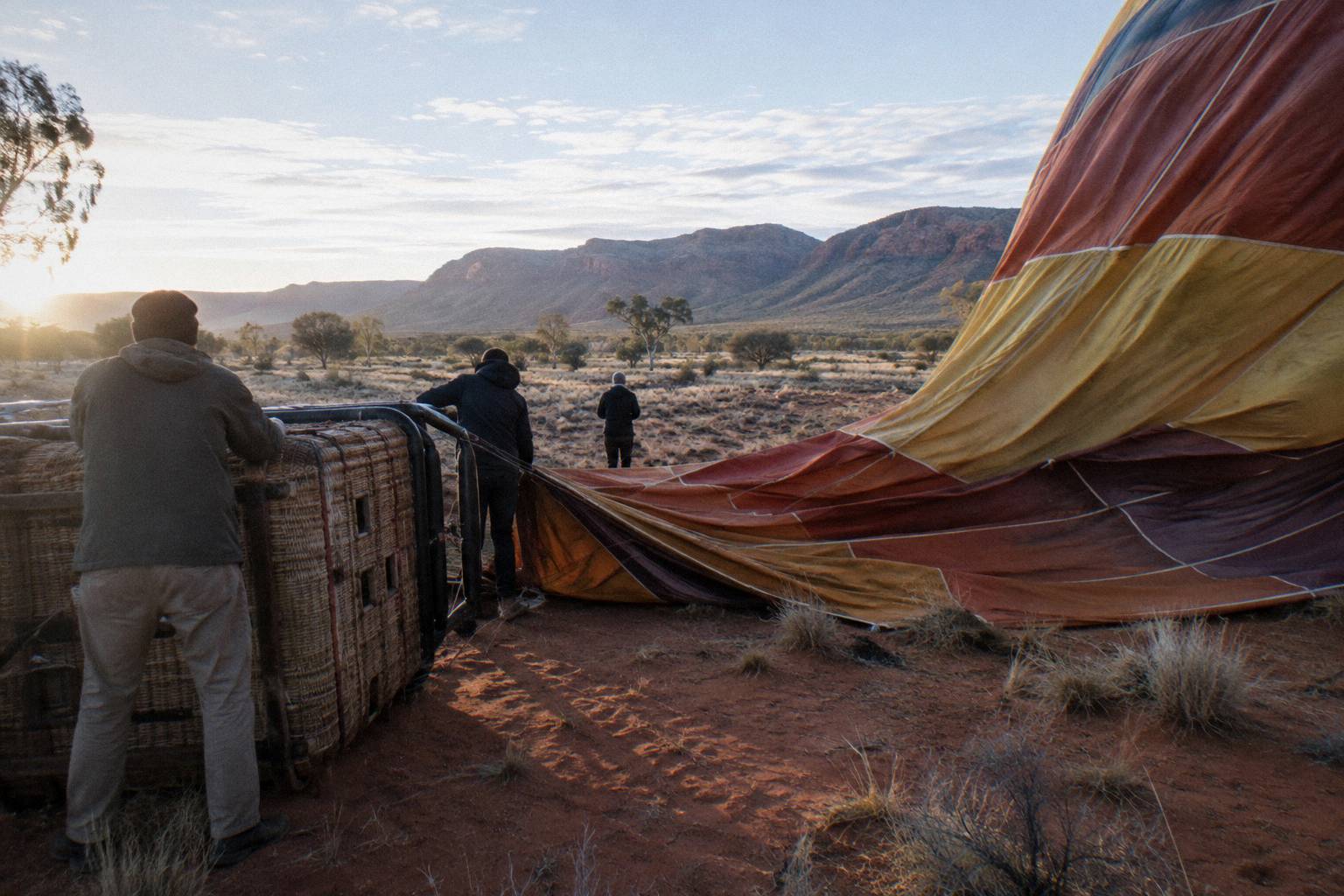
The reason behind the rule is not the altitude. Flights stay within the first 1000 ft above ground, so this is not an oxygen or pressurisation question. It is the launch and landing: the basket can tip on landing, passengers brace against the compartment walls, and the impact, while usually gentle, is not predictable. A pregnancy past the first trimester changes how a jolt like that should be handled, and the operator has no way to manage that risk mid-air.
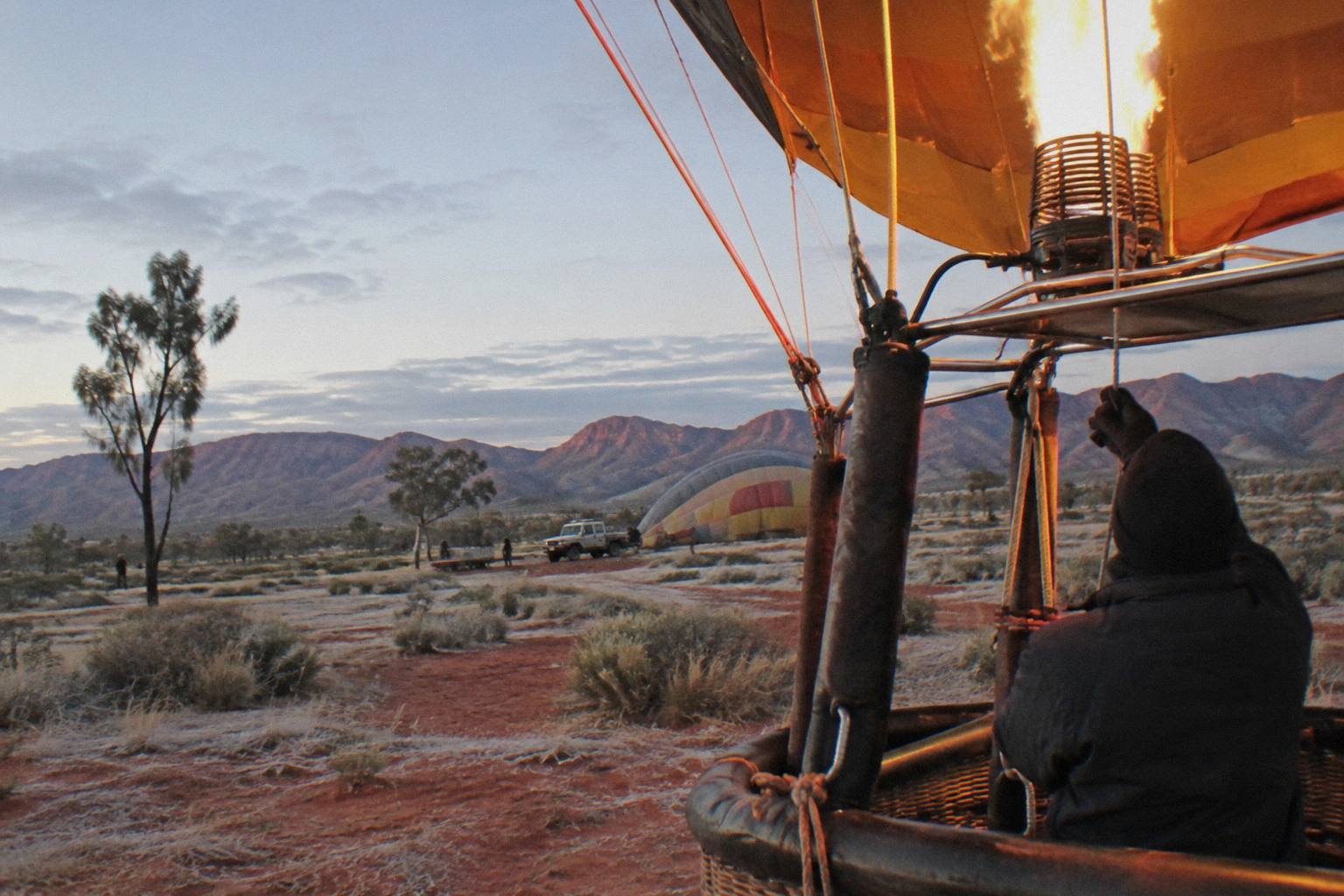
It is also a pre-dawn operation. Pickup is roughly an hour before first light, about 4:15am in summer and about 5:45am in mid-winter, and the whole trip runs about four hours door to door. That is a long, early, standing-heavy morning for anyone, and it is a fair question for a traveller in early pregnancy too, even where the operator's terms permit the flight.
The guide to ballooning while pregnant covers the timing and the physical demands of the morning in more depth, pulling together the operator's exact wording.
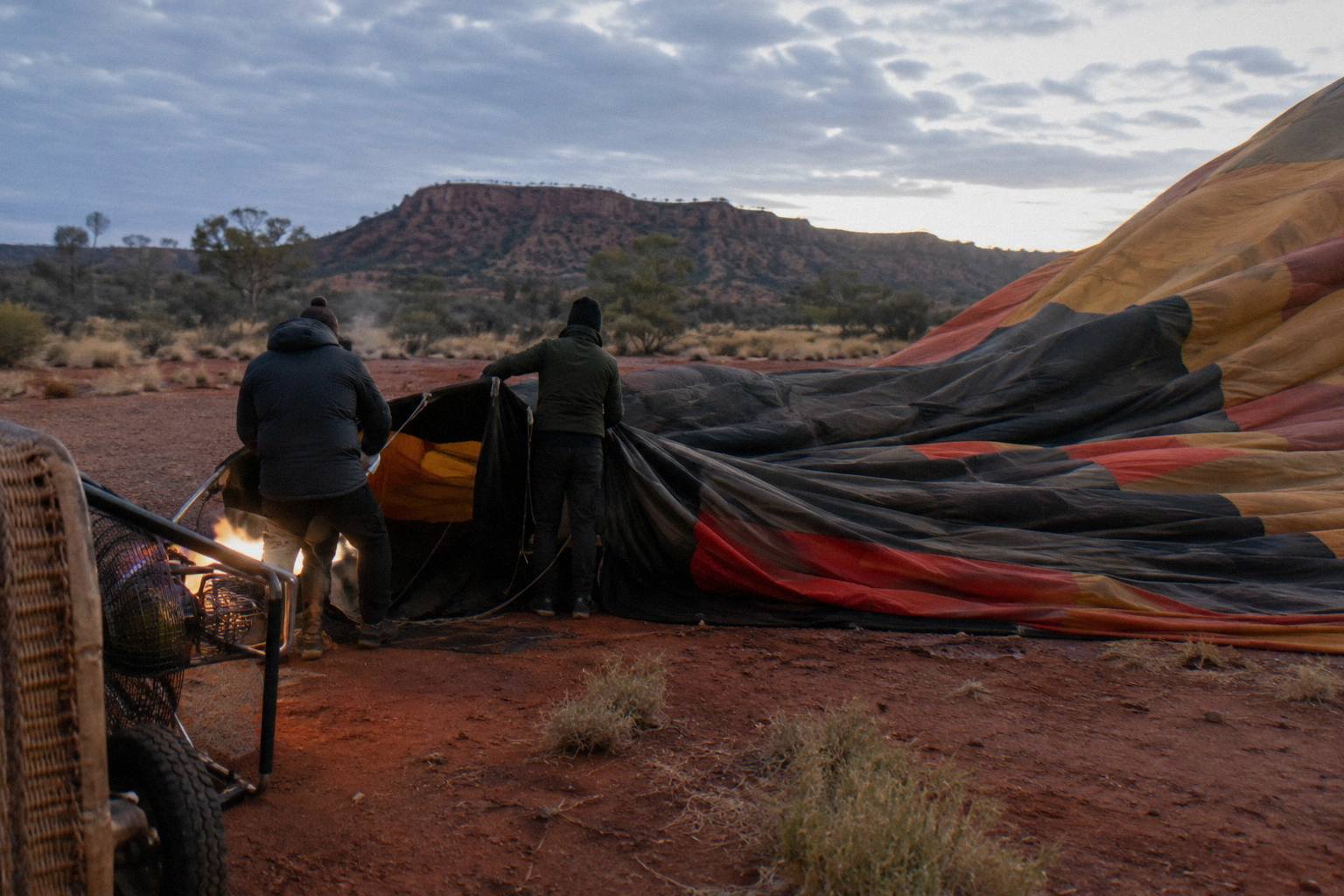
The 12-week line is the operator's, not this site's, and it is stated identically by both local brands. Do not treat the first trimester as automatically fine either; the booking page's "not suitable for pregnant passengers" wording is the stricter statement, and the right move is to email the operator with your dates and let them answer.
The Basket, Mobility And Standing For The Flight
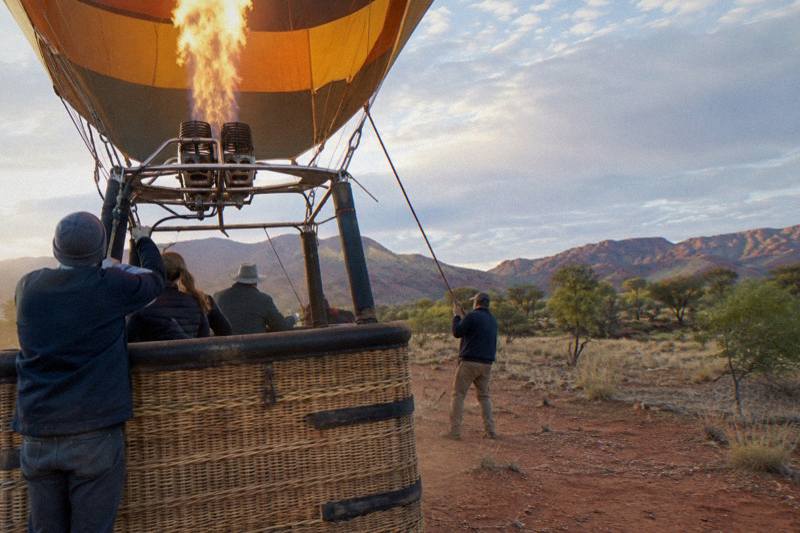
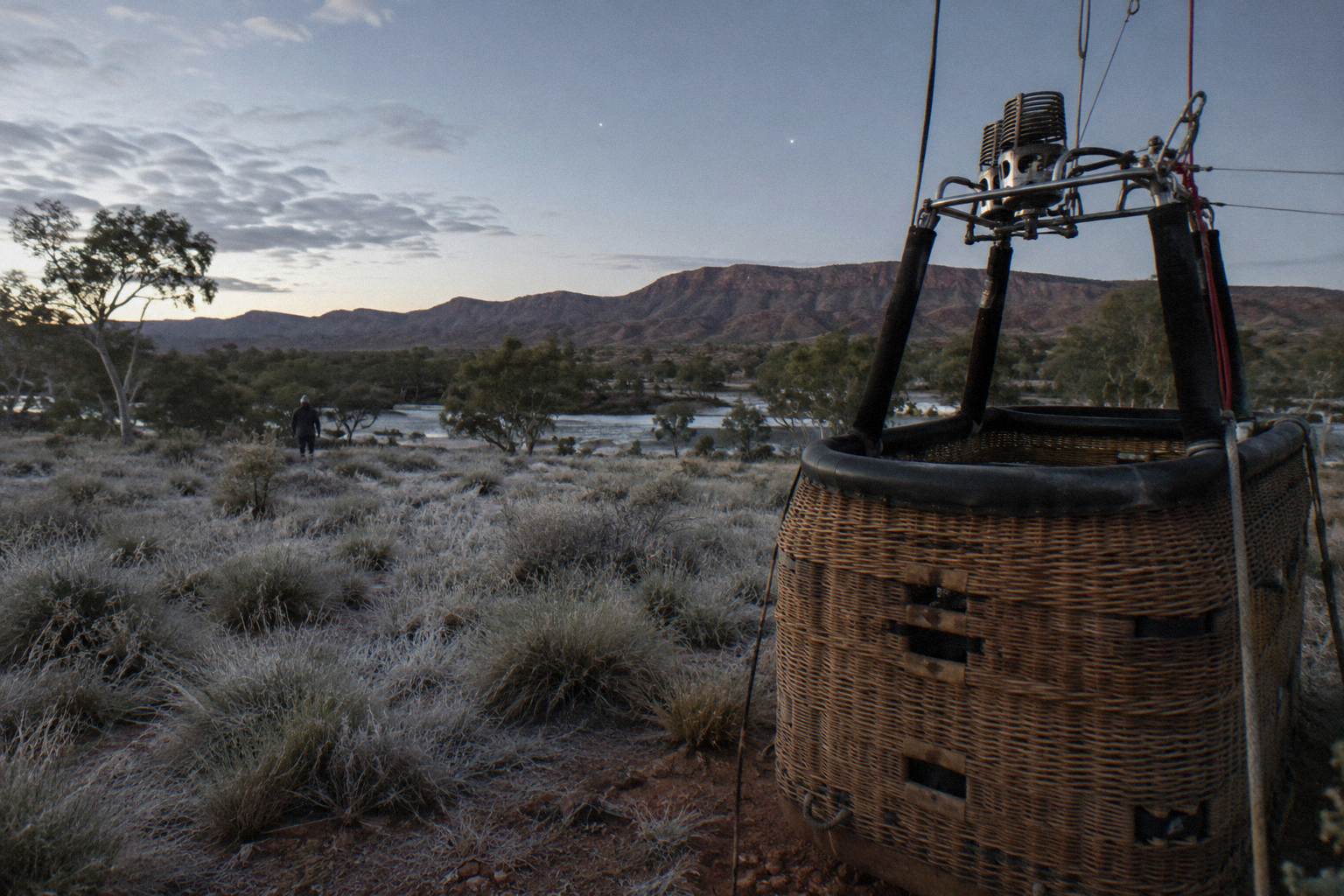
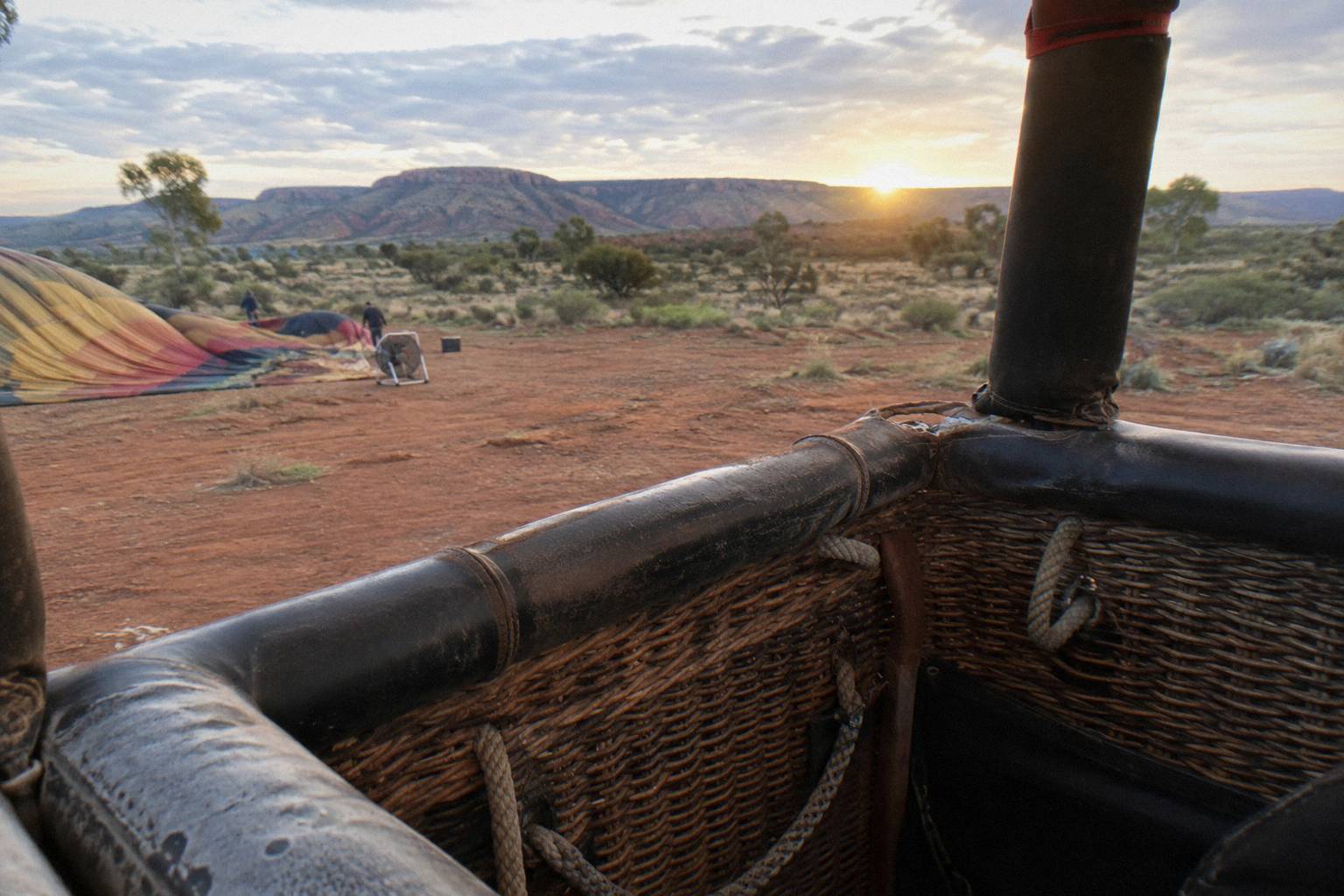
Passengers must climb into the basket unaided, using foot holes in its roughly 1.2 metre wall, and must stand for the entire flight; the compartments are about 60 cm wide, there are no seats, and the main booking page says the flight is not suitable for mobility-impaired passengers. This is the restriction that surprises the most people, because a balloon basket looks passive from the ground.
Climbing in is a genuine physical act. The wall is chest or shoulder height for most adults, the foot holes are narrow, and crew members are there to steady the basket but not to lift passengers, per the operator's terms. Once inside, the compartment holds a small group, two to four and up to 24 people per balloon on Outback's flights, and everyone stands facing outward, braced against the padded walls.
Landing is the demanding part. The pilot briefs passengers to bend their knees, hold the ropes and lean back into the compartment. On a calm morning the basket settles almost level; on a breezier one it can drag and tip. Anyone with a hip, knee, back or balance problem that makes a braced crouch or an unexpected jolt risky is exactly who this rule exists for.
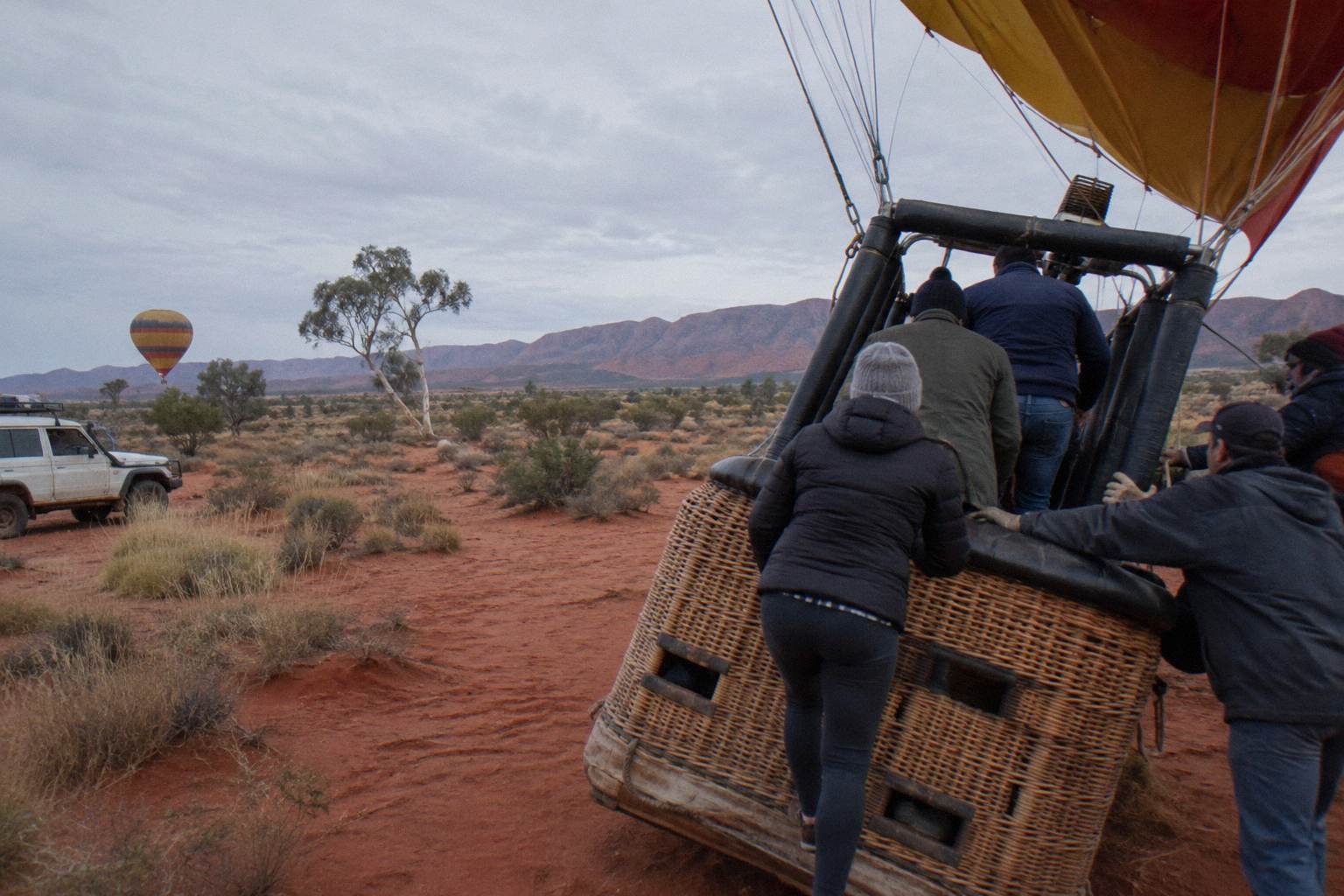
None of this means every mobility difference is disqualifying. The operator's terms say medical conditions and disability are assessed individually, in advance, with the pilot's discretion absolute. A traveller who can stand for an hour and manage the climb with a steadying hand may be fine; the operator needs to know before the morning, not at the launch field, when the pilot's only safe answer to a surprise is no.
Two to four hours of standing and early-morning cold also shape the experience. The guide to whether ballooning is safe covers the operational side, and if cold specifically is the worry, whether you will be cold on the flight answers it with the local climate numbers.
Medical Conditions And The Pilot's Absolute Discretion
The operator's terms require passengers to notify medical conditions and disability in advance, state that each case is assessed individually, and give the pilot absolute discretion on the morning; the featured flight's listing adds that the flight is not suitable for pregnant or mobility-impaired passengers. There is no published list of banned conditions, and this site will not invent one.
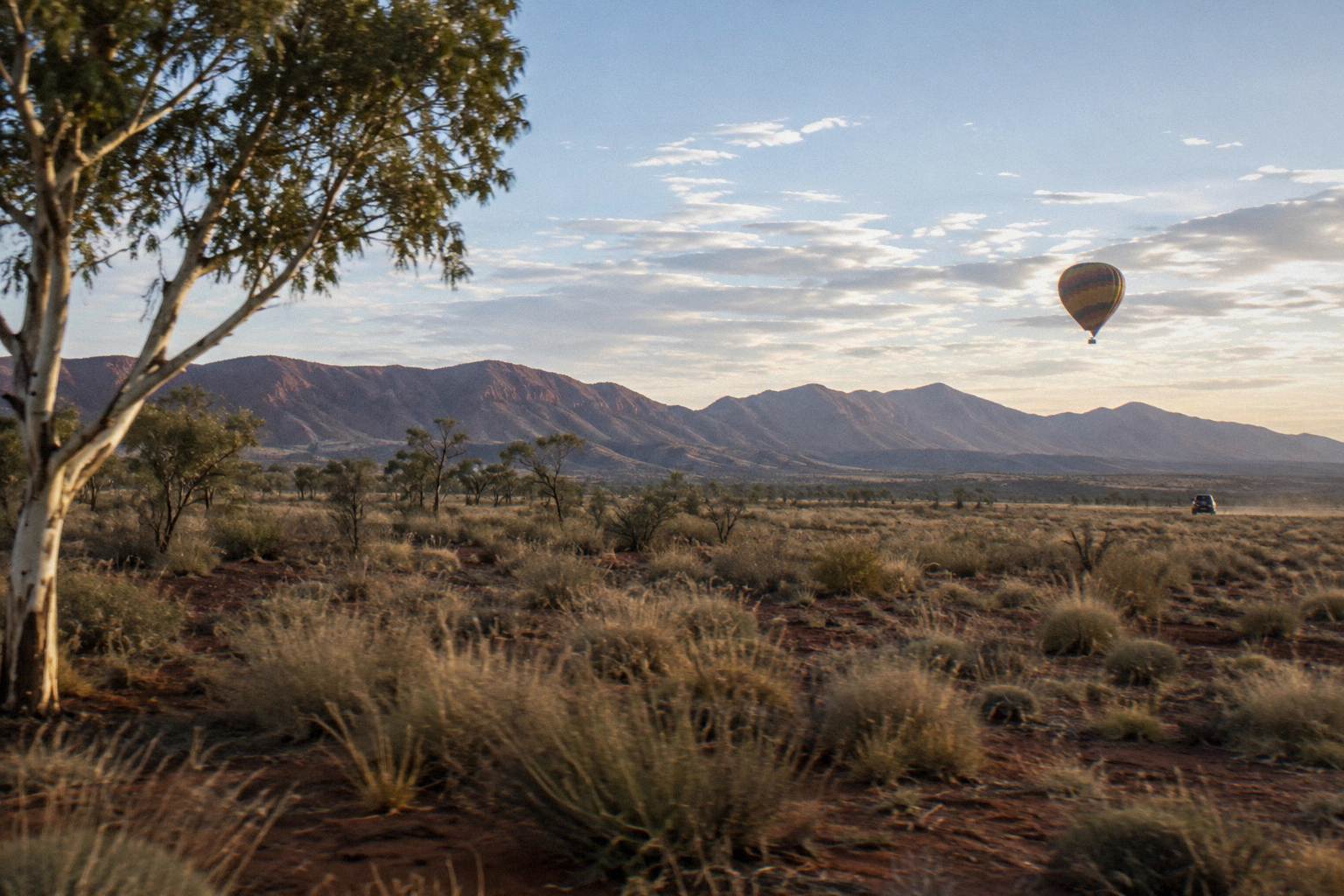
What the terms do give is the reasoning framework. Everything about a balloon flight happens in an open basket, in the first hour of daylight, in a remote paddock 15 km or so south of town, with no way to exit until landing. Conditions that could become urgent without warning, that need medication on a strict clock, or that a sudden landing jolt could seriously aggravate are the obvious conversations to have with the operator and a doctor.
The operator's safety credentials are the backdrop to that conversation. Outback Ballooning holds CASA Air Operator Certificate CASA.AOC.0496, is a CASA Approved Maintenance Organisation, its pilots hold a Commercial Balloon Pilot Licence with an aviation medical and security clearance, and it carries carriers' liability insurance under the Civil Aviation (Carriers' Liability) Act 1959, as set out on its CASA-regulated page.
Honesty also requires the record. Outback Ballooning Pty Ltd was convicted and fined in July 2021 over the 2013 death of a passenger, when, per the NT WorkSafe media release, the passenger's scarf became entangled in the inflation fan. That is why the launch-field rules on dangling jewellery and scarves are strict. The NT WorkSafe release states the facts plainly, and so does this site: no operator here is claimed to have an unblemished record.
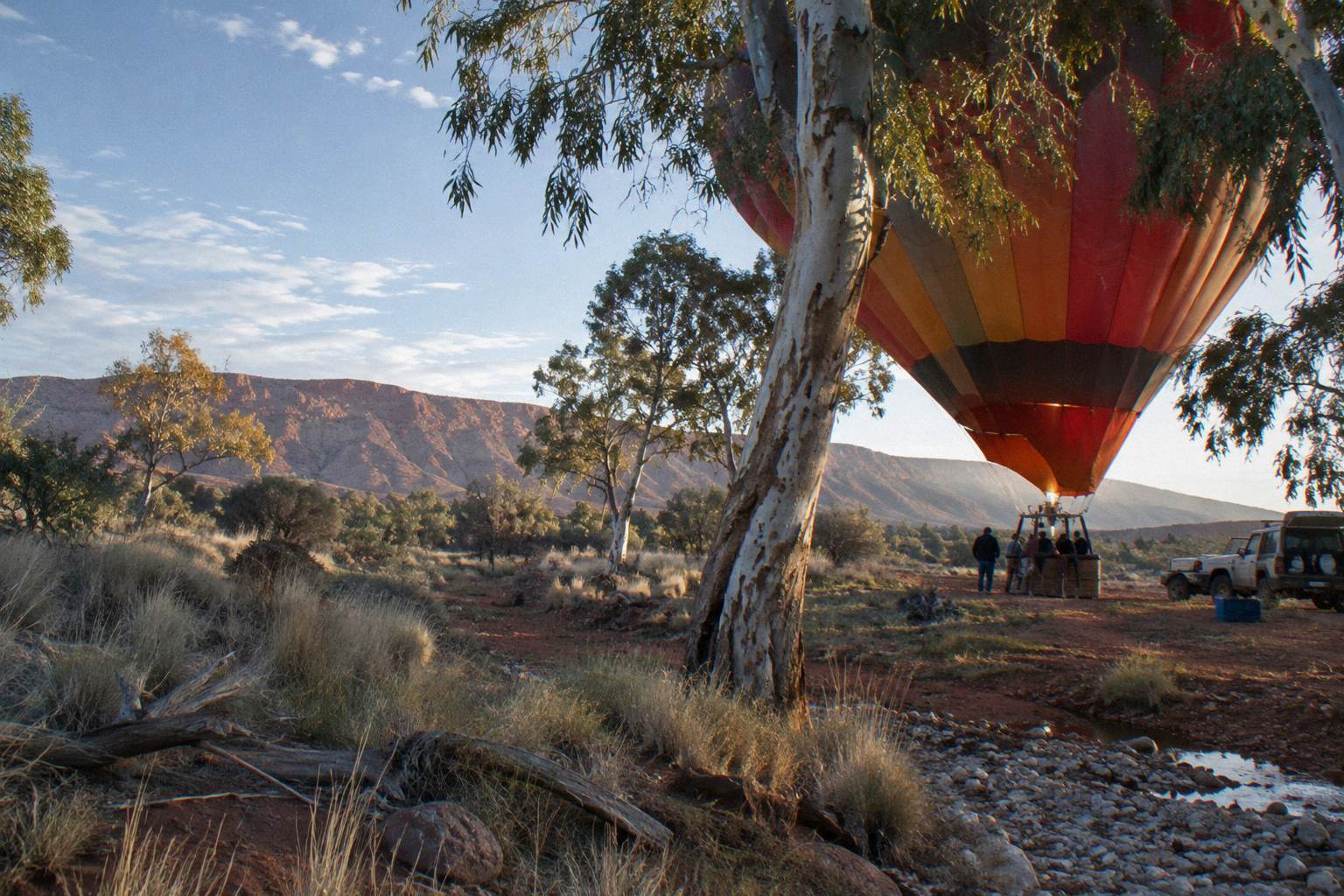
The practical takeaway for a passenger with a medical question is simple and unglamorous. Email the operator before booking, describe the condition honestly, and accept that the pilot's call, not your enthusiasm or your doctor's letter, decides the morning. A refusal at the launch field may forfeit the fare, so the cheap conversation is the early one.
Age: Who Is Too Young To Fly
The operator recommends a minimum age of 6 years; children aged 3 to 5 are accepted only on an individual basis and are not recommended, the child fare band runs from 6 to 14 on both local operators' brochures, and the main booking page says age 6+ with an adult. There is no published upper age limit at all.
The under-6 question is a real one for Central Australian family trips, and the honest answer is that the operator would rather not, and will only say yes case by case. The reasons are physical and behavioural at once: a toddler cannot see over a 1.2 metre basket wall, cannot be held up for an hour of standing, and cannot be told reliably to brace on landing. The basket has no child seats and no room for them.
For children 6 to 14 the arrangement is settled: child fares apply, an adult must accompany them, and the brochure fares for the featured operator's 30 minute flight are A$340 child against A$380 adult, with the 60 minute flight at A$405 child against A$450 adult. Fares include return transfers from most Alice Springs accommodation and light refreshments after landing.
| Age band | Operator's rule | Fare basis |
|---|---|---|
| Under 3 | Not addressed in the operator's published terms; treat as a direct enquiry | No published fare |
| 3 to 5 | Accepted on an individual basis, not recommended | Child fare applies |
| 6 to 14 | Recommended minimum met; booking page says 6+ with an adult | Child fare (both operators' brochures) |
| 15 and over | No restriction stated | Adult fare |
| Any age, any restriction | Notify in advance; pilot's discretion absolute | Fare rules as booked |
One figure deserves a warning because it circulates online: a third-party page states child fares run 6 to 16. Both operators' own brochures say 6 to 14, and the brochures are the documents that count. The hot air balloon age limit guide works through the whole question, including how the family fares the terms mention but never publish actually get quoted.
Weight, Height And The Numbers People Worry About
There is no official height limit and no hard weight limit on the Alice Springs flights; passenger weights are collected at booking, and passengers over 110 kg receive an extra safety email from Outback Ballooning. A third-party page claims a 100 kg limit, which disagrees with the operator, and neither number is a ban. Print neither as a cutoff.
The reason weights are collected is physics, not judgement. A balloon lifts a fixed total, and the pilot balances the compartment load against the morning's air density and temperature. An accurate manifest keeps the flight inside its performance envelope, which is why the terms make weights a condition of carriage rather than a courtesy.
What the over-110 kg email contains, this site cannot say beyond that it exists in the operator's FAQ and terms; it is described as a safety email, not a refusal. The right response to it is to answer honestly and ask any question it raises. Whether the crew weighs anyone on the launch field is not stated anywhere in the operator's material, so do not arrive expecting a weigh-in, and do not expect to avoid one either; the answer is simply not published.
Height, by contrast, is barely a topic. The basket wall is about 1.2 metres with compartments about 60 cm wide, so a very tall passenger stands more cramped and a short adult may see less over the wall, but the operator publishes no height rule at all. Children short enough to be invisible over the wall are the real height concern, which loops back to the age policy above.
| Common worry | Operator's actual position |
|---|---|
| Hard weight limit | None published; weights collected; over 110 kg triggers a safety email |
| 100 kg limit seen online | Third-party claim that disagrees with the operator; not a rule |
| Height limit | No official height limit exists |
| Standing only | Yes, throughout the flight, braced on landing |
| Toilets on board | None; the whole trip runs about 4 hours door to door |
| Cameras and phones | The operator's material does not state a restriction; ask before booking |
The camera line deserves its own note, because it is the one gap in an otherwise detailed set of terms. Nothing in the operator's published pages states whether drones, phones or cameras are restricted, so this site states nothing either; the question takes one email. The guide to photography from the basket covers what to do with the answer.
Who Is Fine, And Who Can Be Fine With A Plan
Most adults without a pregnancy past 12 weeks, a condition affecting standing or bracing, or an age under 6 can fly, and many borderline cases resolve with an advance conversation rather than a refusal: the operator's terms are built around notification and individual assessment, not blanket bans. Fear of heights, surprisingly, is often in that second group.
The height-fear question comes up constantly, and the honest framing is that a balloon is not a cliff edge. There is no sense of exposure to a drop the way a balcony or glass floor produces it; the basket wall is solid, movement is slow, and flights stay within the first 1000 ft above ground. Plenty of nervous flyers are fine aloft and are far more bothered by the 4:15am summer pickup. The fear of heights article works through the practical coping steps.
Older travellers are another group the rules do not restrict. With no upper age limit, the operative questions are the basket climb and an hour of standing, both of which the pilot assesses on what they see on the morning. Families travelling with a grandparent who would rather not fly, or a partner who cannot, have the Chase option at A$110 adult and A$99 child, noting again that at least one adult must be booked on a flight and children cannot chase alone. If you are choosing the 30 minute dawn flight for an older traveller, that on-the-morning assessment is what settles it.
Practical preparation covers a surprising amount of ground. The operator's own clothing advice is outdoor clothing that is not white, long pants, a hat and enclosed flat shoes, warm layers about May to September, and no dangling jewellery or scarves at the launch site. Pre-dawn winter temperatures in Alice Springs average a July mean minimum of 3.9 degrees, with the record low at minus 7.5, per the Bureau of Meteorology's Alice Springs Airport averages. The what to wear guide turns that into a packing list.
If the answer after all of this is that ballooning is not for you or someone in your group, the day is not lost. The West MacDonnell Ranges day trip from Alice Springs, run by Emu Run Experience and rated 4.7 from 334 reviews, runs about 9.5 hours with hotel pickup and needs nothing but a seat on a bus. Non-flying companions can also simply ride along on the balloon morning as chasers and join the sparkling wine and certificate ceremony on the ground after landing.
The People The Rules Quietly Protect
Every restriction in this article traces back to three physical facts: the basket cannot be exited in flight, passengers must brace on landing, and the operation happens in a remote paddock at first light, which is why pregnancy, mobility, medical conditions and very young age are screened rather than left to chance. Read that way, the rules are not gatekeeping, they are the operator telling you the truth about the machine.
It is worth being equally honest about what the rules are not. They are not a fitness test, a weight judgement or an age comment. Plenty of people well past retirement age fly every week of the season; the operator says it flies an average of 250 to 300 days a year, weather and loadings permitting, excluding New Year's Day, Christmas Day and Boxing Day. The screening questions are narrow and mechanical: can this person get in, stand, and take a landing?
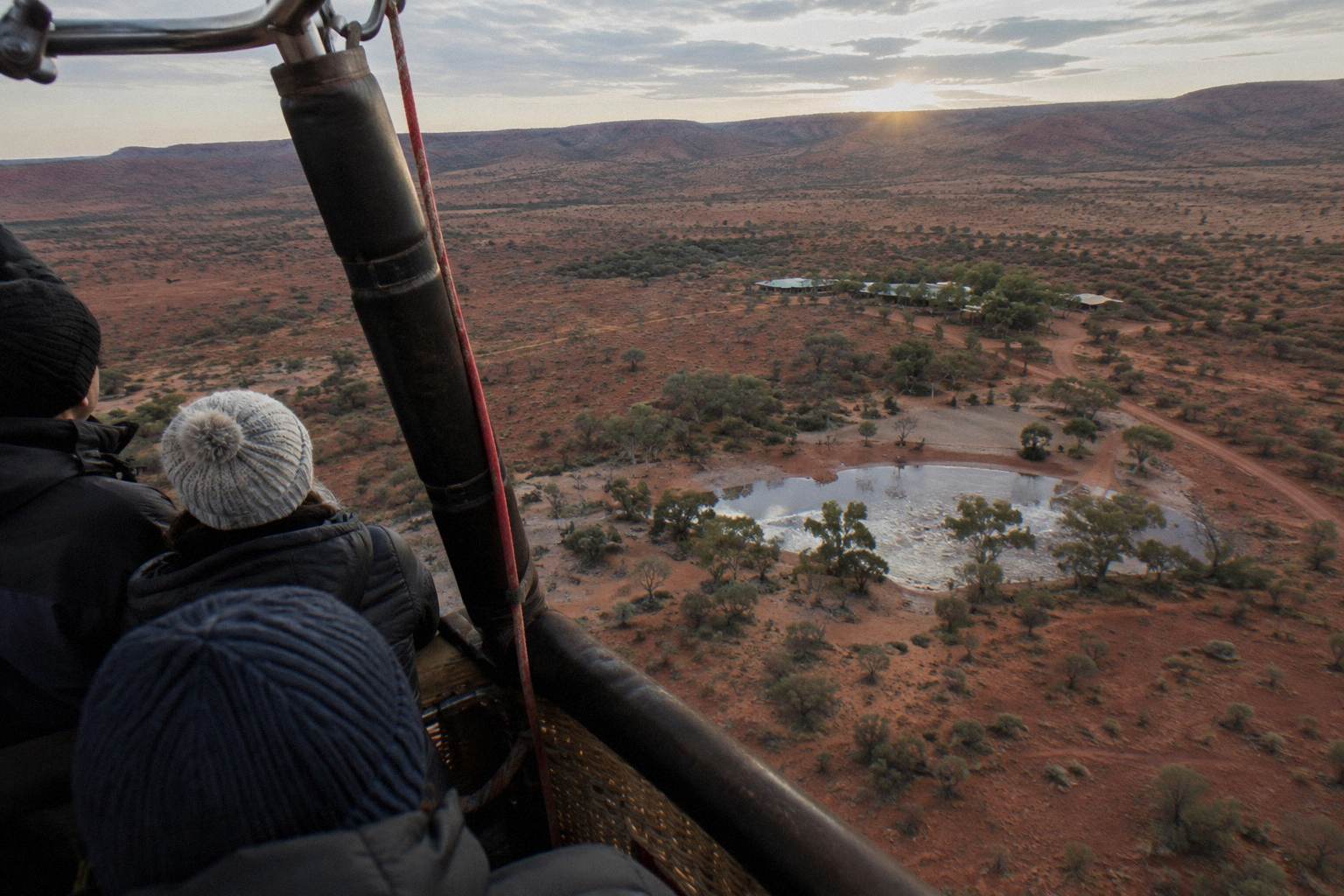
For the travellers who can answer yes, the flight itself is the reward: a launch about 15 km south of Alice Springs adjacent to the MacDonnell Ranges, drifting over Owen Springs Cattle Station, typically 10 to 20 km of silent air, with red kangaroos, birds and wild camels named by the operator as the likely sightings below. The Ranges are the backdrop in the early light, not the flight path, and Uluru, about 450 km away, is not visible.
The featured flight is bookable as a 30 or 60 minute option, and the same flight appears on a second booking page under the name Early Morning Ballooning in Alice Springs, rated 4.8 there; it is one flight by one operator, not two competing experiences. Fares are as the operator lists them, and the booking page carries the current numbers, since published fares can change.
Cancellation terms matter to anyone booking around a medical question. The operator charges no fee when cancelling more than 24 hours before the flight, while cancelling within 24 hours or a no-show forfeits the full fare, and cold feet at the launch field may forfeit it too. Weather cancellations are different: the pilot's decision is final, and guests rebook another day or take a full refund if prepaid. The cancellations and weather guide covers the full detail, and it is worth reading before any booking that depends on a health conversation resolving well.
One last pairing worth knowing for groups split by the rules: the traveller grounded that morning can spend a separate day on the West MacDonnell Ranges Day Tour With Lunch, run by Wildlife Tours Australia, a full-day trip of about 10.5 hours with pickup at selected inner-city points. The things to do after the flight round-up lays out how the flight morning and a full touring day fit together.
If you have read this far and recognised yourself in none of the restricted groups, the practical next steps are short. Answer the weight and medical questions honestly at booking, reply to the safety email if one arrives, sign the online check-in waiver that arrives about 5 days before, and wear the warm layers the season demands. The pilot handles everything else, including the one decision that is theirs alone on the morning.
Common Questions About Who Should Not Ride In A Hot Air Balloon
Who Should Not Ride In A Hot Air Balloon?
Per the operator's terms: passengers pregnant beyond 12 weeks, anyone who cannot climb into the roughly 1.2 metre basket unaided or stand throughout the flight, children under 6 as a recommendation, and any medical condition the pilot, at their absolute discretion, judges unsafe on the morning. The booking page also states the flight is not suitable for pregnant or mobility-impaired passengers.
Can You Fly In A Hot Air Balloon While Pregnant?
Not beyond 12 weeks, per both Alice Springs operators, who cite CASA guidance and their own policy. The main booking page goes further and lists pregnant passengers as not suitable, so anyone pregnant at any stage should contact the operator before booking.
Is There A Weight Limit For Hot Air Balloon Rides?
No hard limit is published. Outback Ballooning collects passenger weights and sends an extra safety email to passengers over 110 kg. A 100 kg figure on a third-party page disagrees with the operator and should not be treated as a rule.
Can Young Children Ride In A Hot Air Balloon?
The recommended minimum age is 6 years, with the booking page stating age 6+ with an adult. Ages 3 to 5 are accepted only on an individual basis and are not recommended. Child fares apply to ages 6 to 14 on both local operators' brochures.
Can People With Disabilities Fly In A Hot Air Balloon?
The operator's terms say each case is assessed individually after advance notification, with the pilot's discretion absolute. The physical baseline is climbing into the basket unaided using foot holes and standing for the whole flight, and the booking page says the flight is not suitable for mobility-impaired passengers.
What If A Medical Condition Is Discovered After Booking?
Contact the operator immediately. Cancellation more than 24 hours before the flight carries no fee, while cancelling within 24 hours or a no-show forfeits the full fare, and arriving at the launch field unable to fly may forfeit it too.