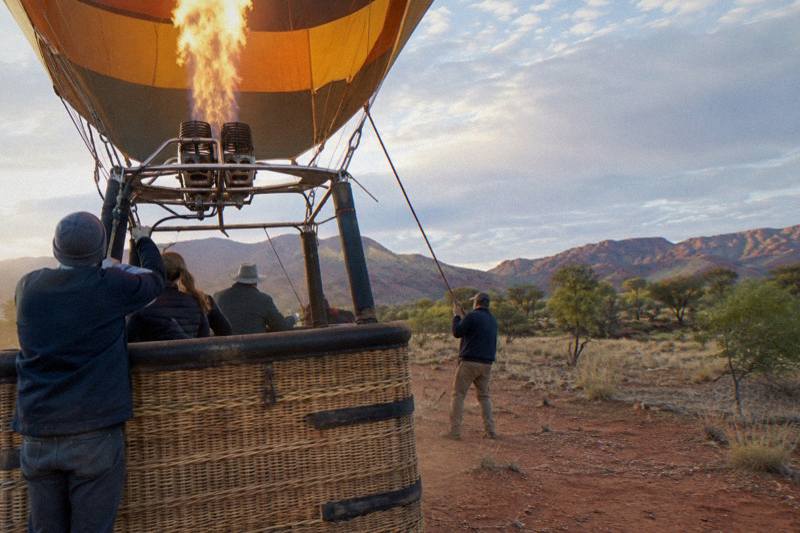
Can You Take A Phone Or Camera On A Hot Air Balloon?
The honest answer on phones, cameras and drones on an Alice Springs balloon flight: what the operator states, what it leaves unsaid, and how to photograph the flight well.
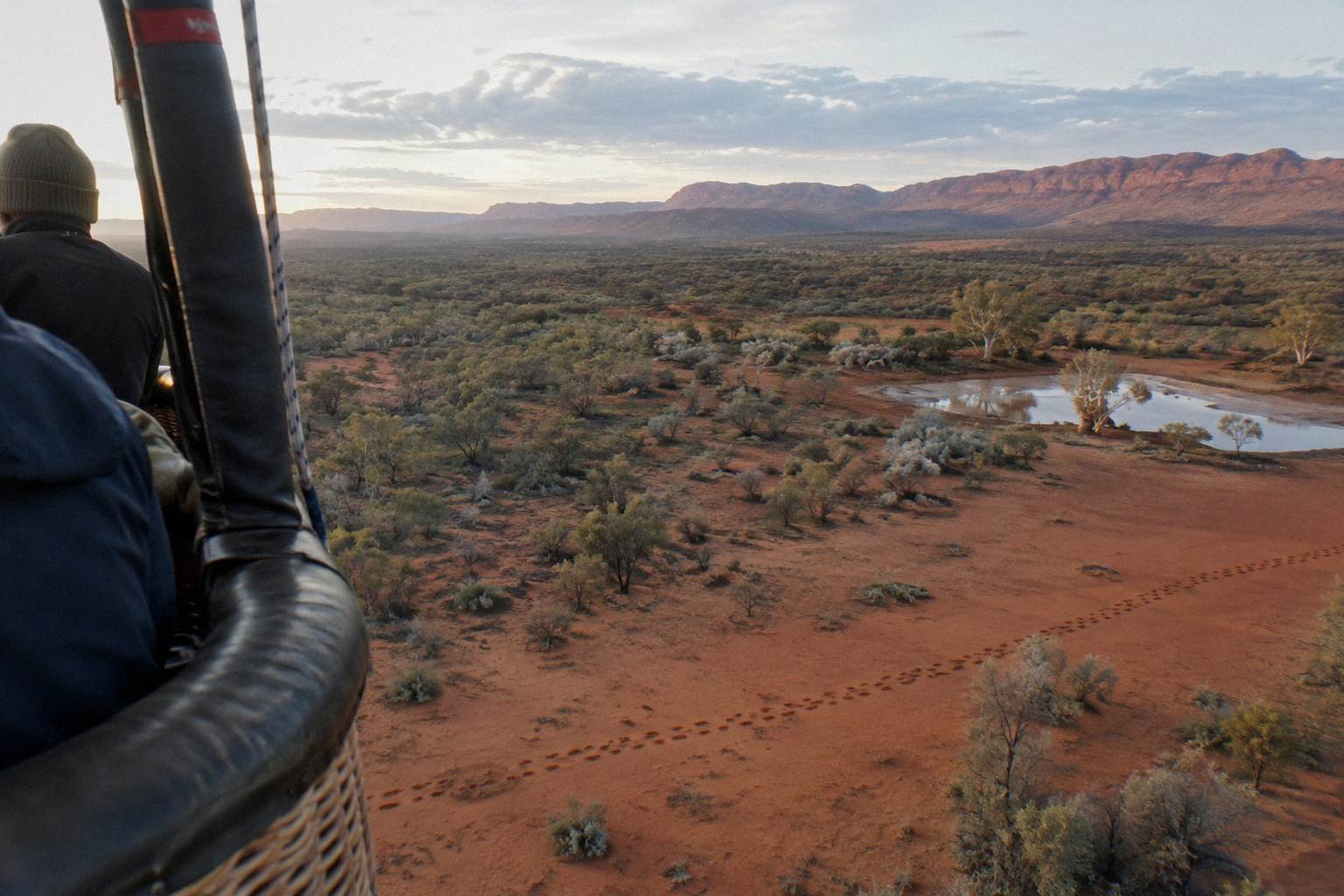
Nothing in the operator's published terms and conditions prohibits carrying a phone or camera on an Alice Springs balloon flight, and the practicalities of the basket, standing throughout, about 1.2 m walls and roughly 60 cm wide compartments, make handheld shooting the norm. But the operator states no explicit camera, phone or drone policy anywhere in its fetched pages, so the only authoritative answer is to ask when booking. Treat this page as the full picture of what is stated and what is not, not as permission.
That opening paragraph is the whole article in miniature, and it rewards slow unpacking, because a lot of third-party advice online fills the gap the operator leaves with confident invented rules. Some pages claim cameras are banned. Some claim drones are fine. Neither claim comes from the operator. The operator's own material, its brochure, its terms of travel, its FAQ, its what-to-expect pages, is silent on cameras and phones, and explicitly restrictive on exactly two items: backpacks stay on the bus, and no dangling jewellery or scarves at the launch site.
What the operator does state, in detail, is everything around the camera question. Passengers must climb into the basket unaided, through foot holes, over a wall about 1.2 m high, and stand for the whole flight. Flights stay within the first 1000 ft above ground. The launch happens about 15 km south of Alice Springs, adjacent to the MacDonnell Ranges, drifting over historic Owen Springs Cattle Station, with a typical flight distance of 10 to 20 km. Every one of those facts shapes how you shoot, and none of them is in doubt.
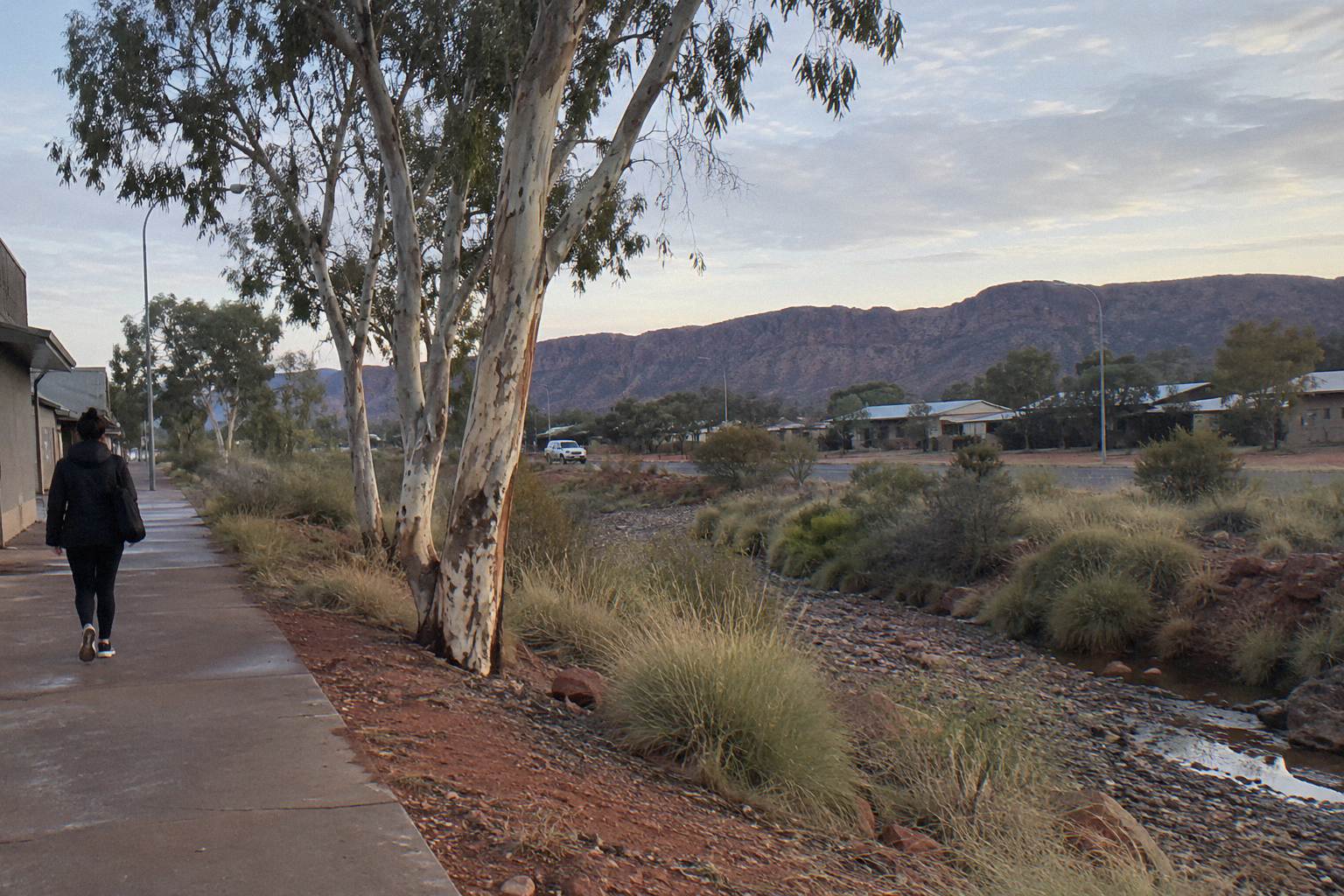
If the question behind your question is whether to book at all, the flight this site features is the 30-minute dawn balloon flight from Alice Springs, rated 4.9 from 288 reviews on its main listing. It is run by Outback Ballooning, which has operated from Alice Springs since 1986, and the same flight appears on a second booking page rated 4.8. The two pages are one flight by one operator, not two competing experiences.
What Does The Operator Actually Say About Phones And Cameras?
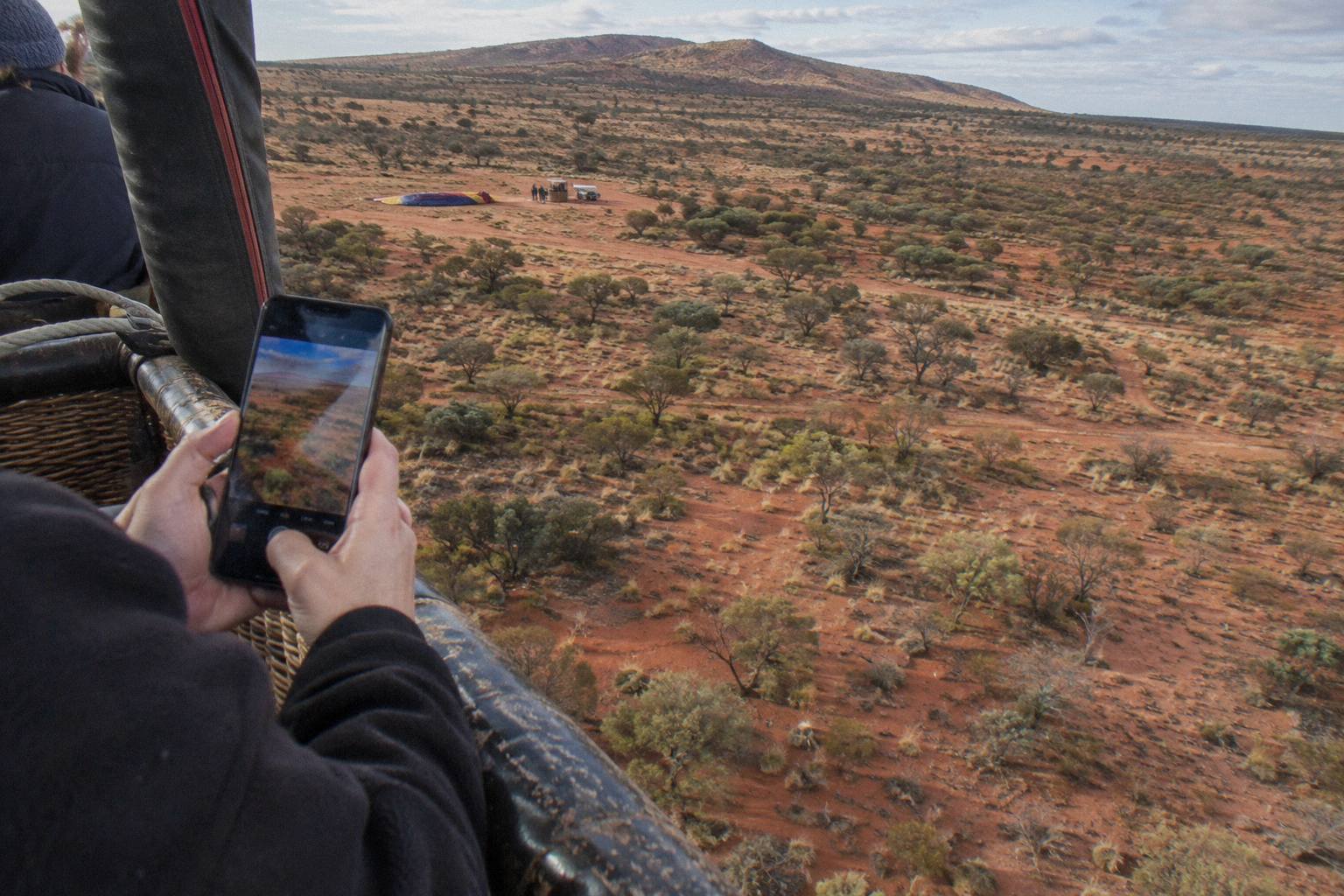
The operator's published material never addresses phones or cameras directly: no allowance, no restriction, no mention. Its written rules cover clothing, jewellery, scarves, bags, weight, age, pregnancy and medical conditions, and on those it is specific. On imaging devices of any kind, including drones, it is silent, which means the answer is whatever the operator tells you when you ask, ideally at booking, before you arrive at a 4:15 am pickup.
Start with what is written down, because it is short. The what-to-expect and FAQ material states that backpacks stay on the bus, that there is to be no dangling jewellery or scarves at the launch site, that you wear outdoor clothing that is not white, long pants, a hat, and enclosed flat shoes with no high heels, and that you must be able to climb into the basket unaided and stand throughout. That is the entire rulebook that touches anything you might carry or wear.
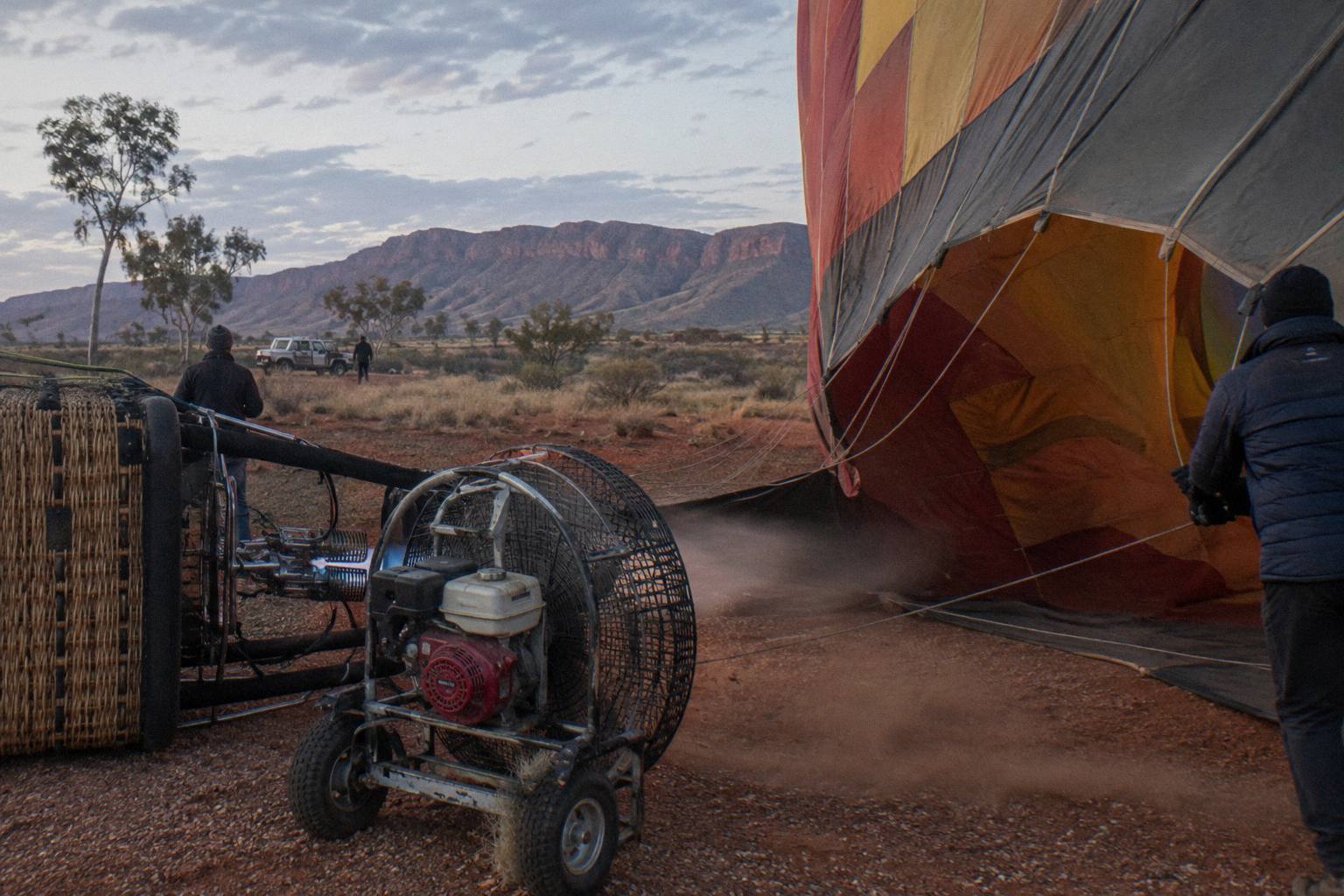
Notice what that list does not contain. There is no camera clause. There is no phone clause. There is no drone clause. This is not an oversight the article will paper over with guesswork; it is a genuine gap, and the instruction from the operator's own material is implicit: anything not stated is a question for the operator, and the operator confirms details at booking and again the day before the flight. That second confirmation call or message is your natural moment to ask about a drone, a large camera body, or anything else you are unsure about.
| Item | Operator's stated position | Source of the statement |
|---|---|---|
| Phones | Not addressed in any fetched page | Ask the operator at booking |
| Cameras | Not addressed in any fetched page | Ask the operator at booking |
| Drones | Not addressed in any fetched page | Ask the operator before bringing one |
| Backpacks | Stay on the bus during the flight | Operator's what-to-expect guidance |
| Dangling jewellery, scarves | Not permitted at the launch site | Operator's stated clothing rules |
| Basket entry | Climb in unaided through foot holes, wall about 1.2 m | Operator's terms and FAQ |
The scarf rule deserves a word, because it is the one gear-adjacent restriction with a known history. An NT WorkSafe media release records that Outback Ballooning Pty Ltd was convicted and fined in July 2021 over the 2013 death of a passenger, a combined A$130,000, after the passenger's scarf became entangled in the inflation fan. That is why the no-scarves rule exists and why it is enforced at the launch field. A camera strap hanging loose around your neck sits in exactly the same risk category as a scarf near an inflation fan, so even though no rule mentions straps, anything that dangles is best secured before the balloon is inflated. The safety context behind the operator's rules is documented on its CASA regulation page, which sets out its air operator's certificate and maintenance approvals.
Will Your Photos From The Basket Actually Turn Out Well?
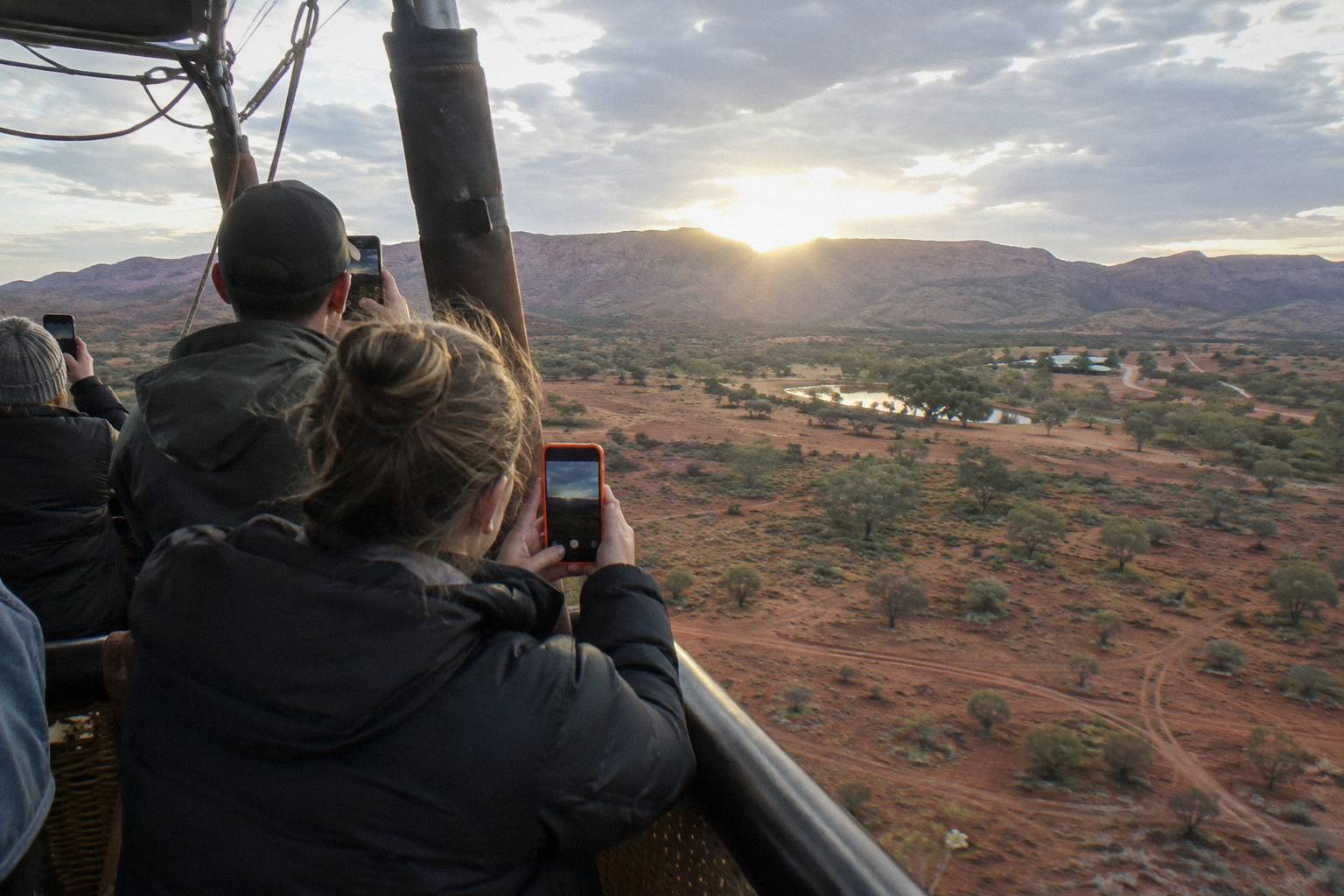
Yes, and often better than from a plane, because the conditions are unusually kind to small cameras: the basket flies within the first 1000 ft above ground, drifts at walking pace over Owen Springs Cattle Station, and the light is the soft, low-angle light of first light over the MacDonnell Ranges. Phones shoot well in exactly those conditions, and the 10 to 20 km drift gives you repeated compositions rather than one pass.
The geography does a lot of the work. The launch site is about 15 km south of Alice Springs, adjacent to the Ranges, and the operator is explicit that it does not fly over the MacDonnell Ranges: the Ranges are the backdrop, lit by the early light, not the flight path. That is actually good news for photography. A backdrop lit edge-on by low sun photographs better than terrain you are directly above, and the silhouetted ridge line gives every frame a horizon anchor. What fills the rest of the frame is the outback floor: spinifex grasses, mulga scrub, cattle station country, and occasionally the wildlife the operator names, red kangaroos, birds and wild camels.
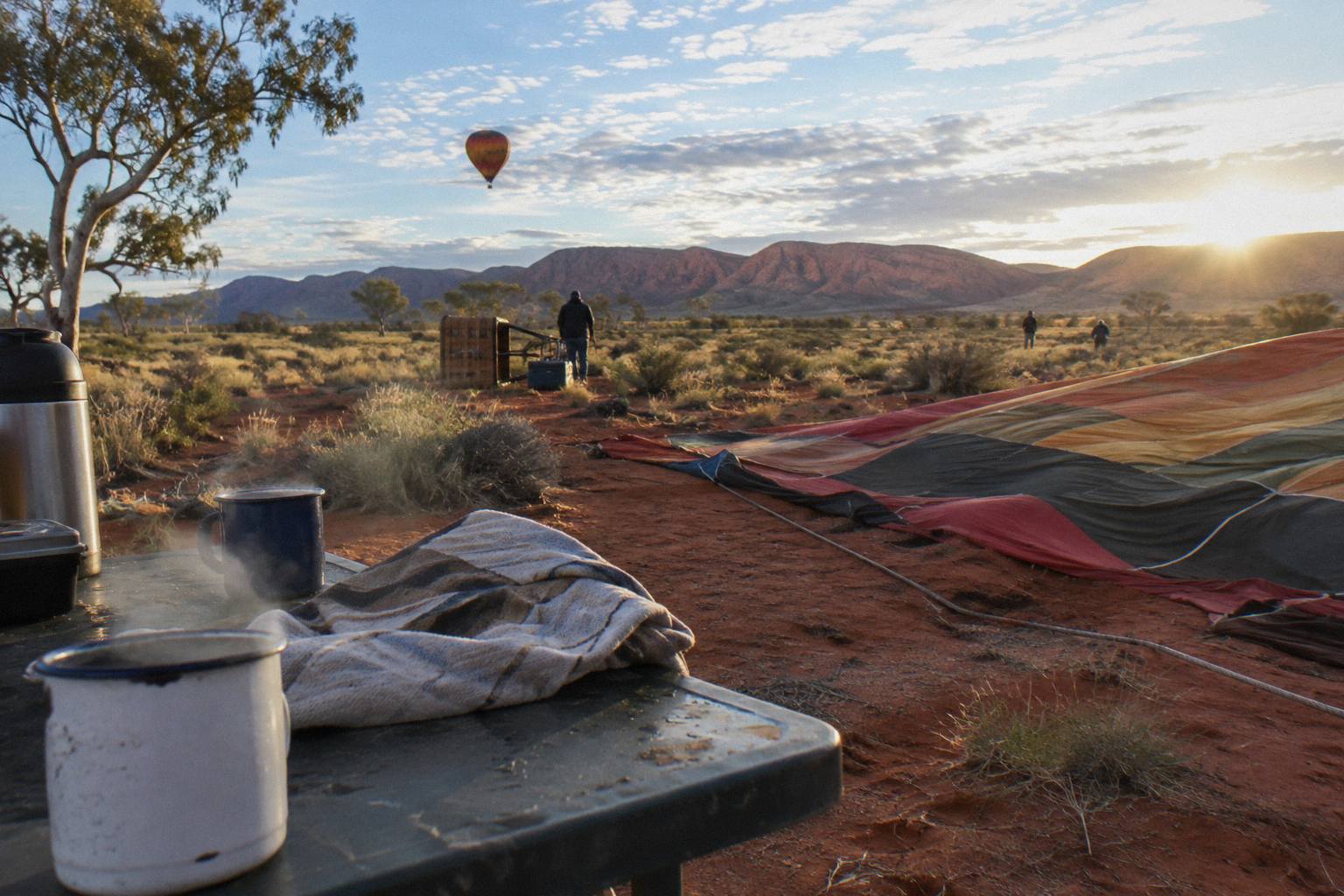
Timing matters more than gear. Flights are not guaranteed to be in the air at sunrise, per the operator's own terms, but the whole trip runs about 4 hours door to door, with pickup roughly an hour before first light, about 4:15 am in summer and about 5:45 am in mid-winter. First light by month, computed from the NOAA solar position calculation for Alice Springs and approximate, looks like this:
| Month | Sunrise (ACST) | Approximate first light |
|---|---|---|
| January | 6:00 | 5:35 |
| February | 6:22 | 5:58 |
| March | 6:36 | 6:14 |
| April | 6:48 | 6:25 |
| May | 7:01 | 6:37 |
| June | 7:14 | 6:49 |
| July | 7:16 | 6:52 |
| August | 7:01 | 6:38 |
| September | 6:32 | 6:09 |
| October | 6:02 | 5:39 |
| November | 5:42 | 5:18 |
| December | 5:42 | 5:17 |
Two practical notes follow from that table. Mid-winter pickups are around 5:45 am, which is late enough to feel survivable, and the pre-dawn temperature is genuinely cold: the Bureau of Meteorology's Alice Springs Airport averages put the July mean minimum at 3.9 °C, with a record low of -7.5 °C across 85 years of data, so cold hands and cold batteries are a real mid-year consideration. A phone battery that sits in an outer pocket in July will drain noticeably faster than usual, and fingers that cannot work a shutter button make every shot slower. The warm-layer advice is in the operator's own clothing guidance, and the climate detail sits behind the Bureau of Meteorology's station averages.
The basket itself is a mixed blessing for photographers. The walls are about 1.2 m high, which is roughly chest height for most adults, so the rim frames the bottom of every shot and you shoot over it rather than through anything. Compartments are about 60 cm wide, and anywhere from 2 to 24 people fly in one balloon depending on loading, so you will likely stand close to strangers in your compartment. Elbow room is the scarce resource, not shutter speed. A phone held over the rim, or a small camera on a short strap wrapped twice around the wrist, is the realistic setup; a long lens or anything requiring two free arms is not.
What About Drones, Action Cameras And Selfie Sticks?
The operator publishes no drone policy, so treat any drone as something you must ask about first: drones are regulated aircraft in Australia, the balloon launch site is an active aviation operation, and a pilot can reasonably refuse an unrequested one at the field. Action cameras and selfie sticks fall into the same unstated category, so ask at booking and get the answer in writing rather than trusting what other passengers say they once got away with.
This is where the article has to be firm about the boundary between the operator's facts and general aviation context. The operator's own material says nothing about drones. It does say its pilots hold a Commercial Balloon Pilot Licence and that the company operates under a CASA air operator's certificate, CASA.AOC.0496, and a launch field with an inflating balloon is precisely the environment aviation regulators worry about. None of that amounts to a ban by the operator, and this page will not invent one. It amounts to a strong reason to ask first, and to expect the answer to be shaped by the morning's conditions rather than by a fixed rule.
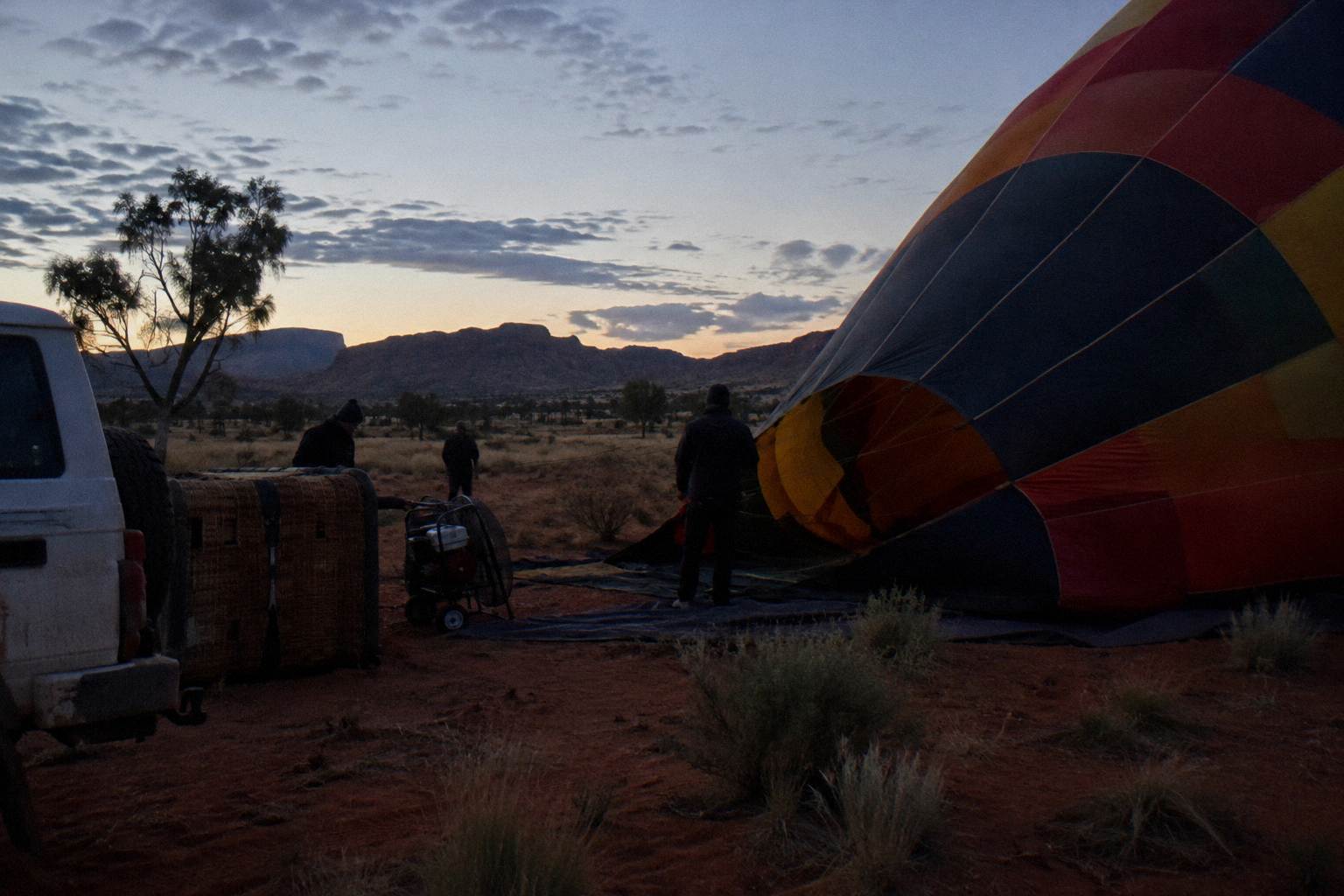
Selfie sticks and handheld gimbals raise a simpler problem: the compartment is about 60 cm wide, you stand throughout, and landing involves the basket dragging and tipping in some conditions, with passengers braced in the basket's landing position. Anything extended on a pole near other passengers' faces during landing is a hazard in the ordinary physical sense, regardless of any policy. A small phone or compact camera tucked inside your jacket during the landing sequence, then out again once the balloon is secure, is the pattern experienced passengers converge on.
A note on the wider question of how much air you get: flights stay within the first 1000 ft above ground. That is low enough that you can pick out individual trees, kangaroos if they move, and the textures of the station country, and low enough that a phone's standard lens handles almost every composition. You are not shooting a distant landscape from altitude; you are drifting inside it.
Keeping Your Gear Safe During Launch And Landing
The two moments that put equipment at risk are inflation and landing. During inflation the burner and fan are running and nothing loose belongs near them, and the operator's no dangling items rule applies at the launch site; during landing the basket can bump and tip and passengers brace rather than shoot. Between those moments, in the drift itself, gear risk is low and the flight is calm enough for careful handheld work.
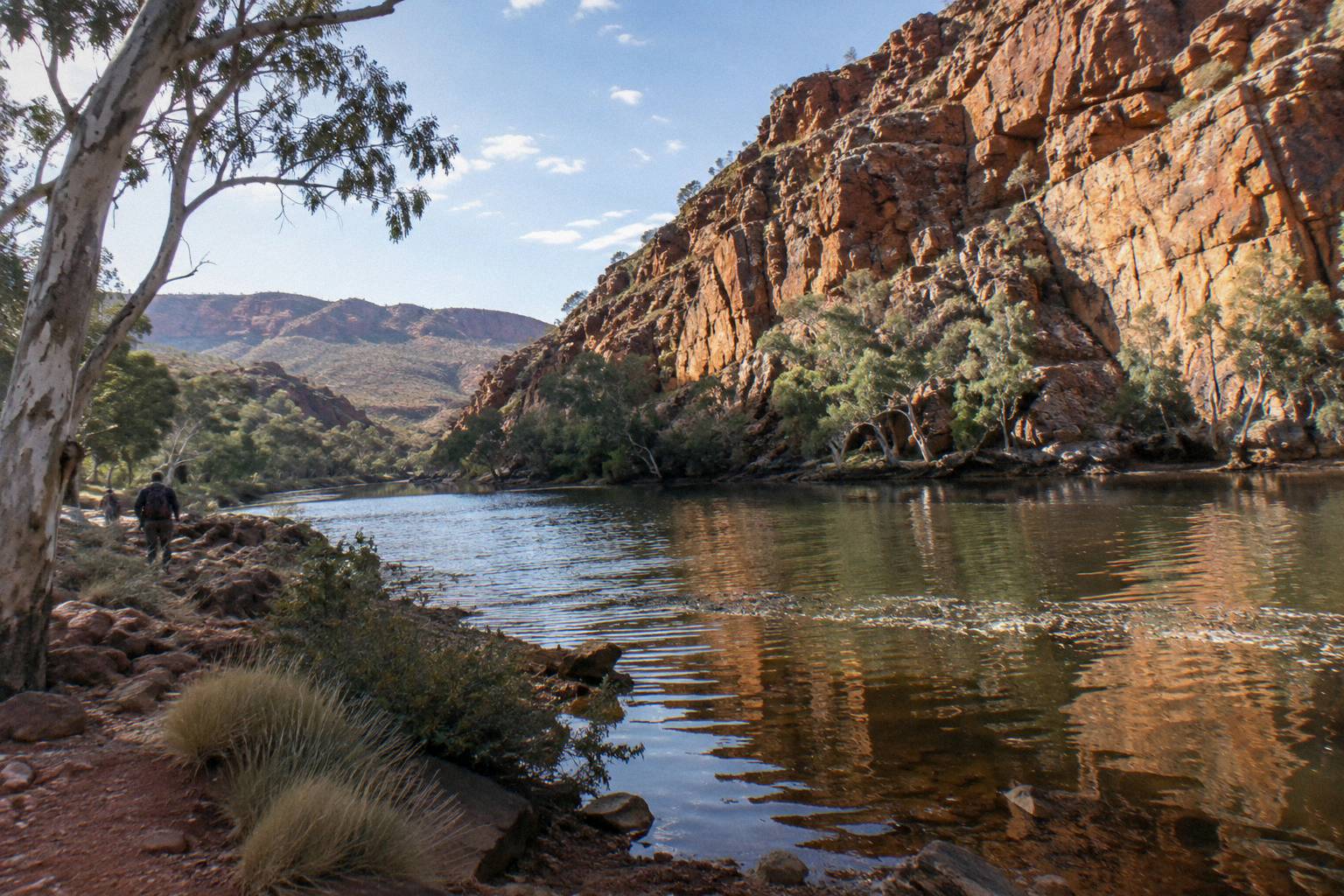
Inflation happens before you climb in, so the exposure is mainly about what you set down or leave dangling while you wait. Keep straps shortened, keep loose items in pockets, and hold your phone rather than clipping it to anything that can swing. The operator's rule about dangling jewellery and scarves is stated for exactly this phase, and the fan that inflates the envelope is the hazard behind it. A camera hanging loose from your neck at the launch site is, in the plainest physical sense, the same class of object as a scarf.
Landing is the phase where cameras actually get broken, on balloons everywhere, not just here. The pilot will call the landing position, usually knees bent, back to the direction of travel, holding the basket's internal rope handles, and the basket may drag and tip before it stops. That is not the moment for one last shot. The classic damage pattern is a phone held out over the rim when the basket tips, and the classic loss pattern is a phone in a loose side pocket during the drag. Inside a zipped jacket pocket, or handed to a crew member if offered, gear survives.
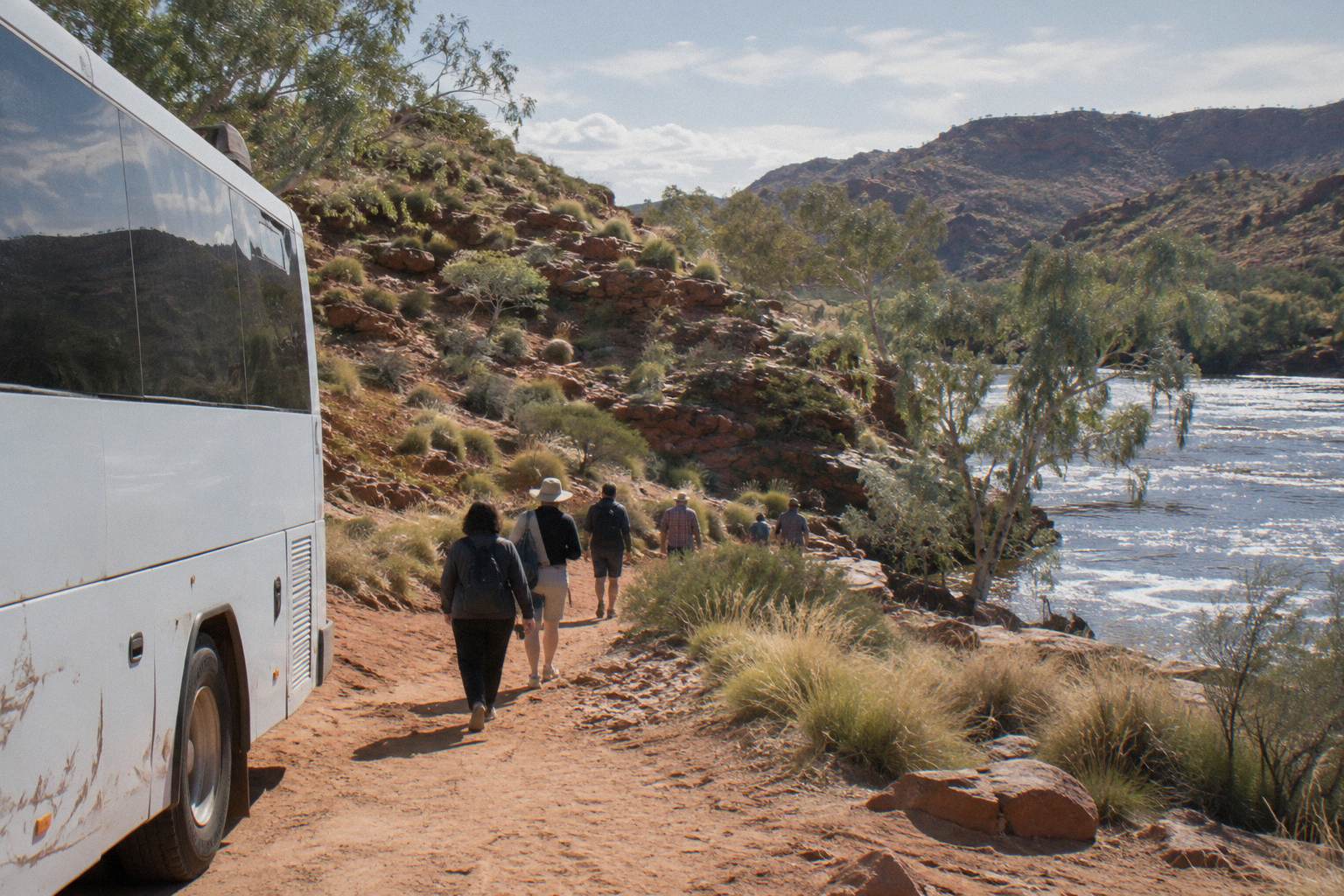
After landing the pressure is fully off: the operator serves light individually wrapped snacks, Australian sparkling wine and fruit juice, hands out a commemorative certificate, and invites passengers to help pack up the balloon, which is itself one of the best photo opportunities of the whole four hours. The envelope collapsing onto red dirt, the crew rolling it out, the burner silent for the first time since launch: that sequence photographs beautifully, there is no compartment wall in the way, and your hands are free for it.
This is also the point to remember the other published rule that touches your kit: backpacks stay on the bus. Whatever camera bag, spare lens or charger you brought stays with the bus and meets you again after the flight, so the working set in the basket is whatever fits in your pockets. Plan for one device, one battery strategy and no bag, and the rule stops being an annoyance and becomes a simplification.
What Should You Wear And Carry, Given All This?
Practically: one phone or small camera on your body, zipped pockets, enclosed flat shoes, long pants, a hat, layers matched to the season, and nothing that dangles. The operator's clothing guidance is specific and worth following exactly, because the same rules that protect you protect your equipment, and mid-year flights start in temperatures that can sit near 4 °C before dawn.
The seasonal advice splits by operator wording. Outback Ballooning suggests warm layers roughly May to September. Spinifex Ballooning, the other brand flying from Alice Springs, suggests a light jacket April to October and very warm clothing in mid-winter. For a photography-focused reader the translation is simple: winter flights want gloves you can shoot in, and a phone battery kept warm until you need it, because cold drains lithium batteries visibly and July's mean minimum sits at 3.9 °C. The full clothing picture, including why white is out, is covered in the site's guide to what to wear on a hot air balloon.
For the shooting plan itself, a few patterns hold up regardless of device. Shoot during the drift, not the launch or landing. Use the Ranges as your horizon and the changing light on them as your clock, because the operator's own description of the 30 minute flight is the morning light beginning to illuminate the MacDonnell Ranges, and that illumination is the show you came for. The 60 minute flight's own description points you at kangaroos, spinifex grasses, mulga scrub and cattle station country, so on the longer option there is time to work the ground textures as well as the skyline. If you want the deeper dive on compositions and settings, the site has a dedicated page on hot air balloon photography.
One last planning fact that matters for both comfort and photos: the operator says it flies an average of 250 to 300 days a year, weather and loadings permitting, daily all year except New Year's Day, Christmas Day and Boxing Day. That is its own claim, not an independent count. The pilot's go or no-go decision on the morning is final, and if weather cancels the flight you rebook another day or take a full refund of anything prepaid. Sunrise itself is never guaranteed to happen while you are airborne.
Pairing The Flight With Other Things Worth Photographing
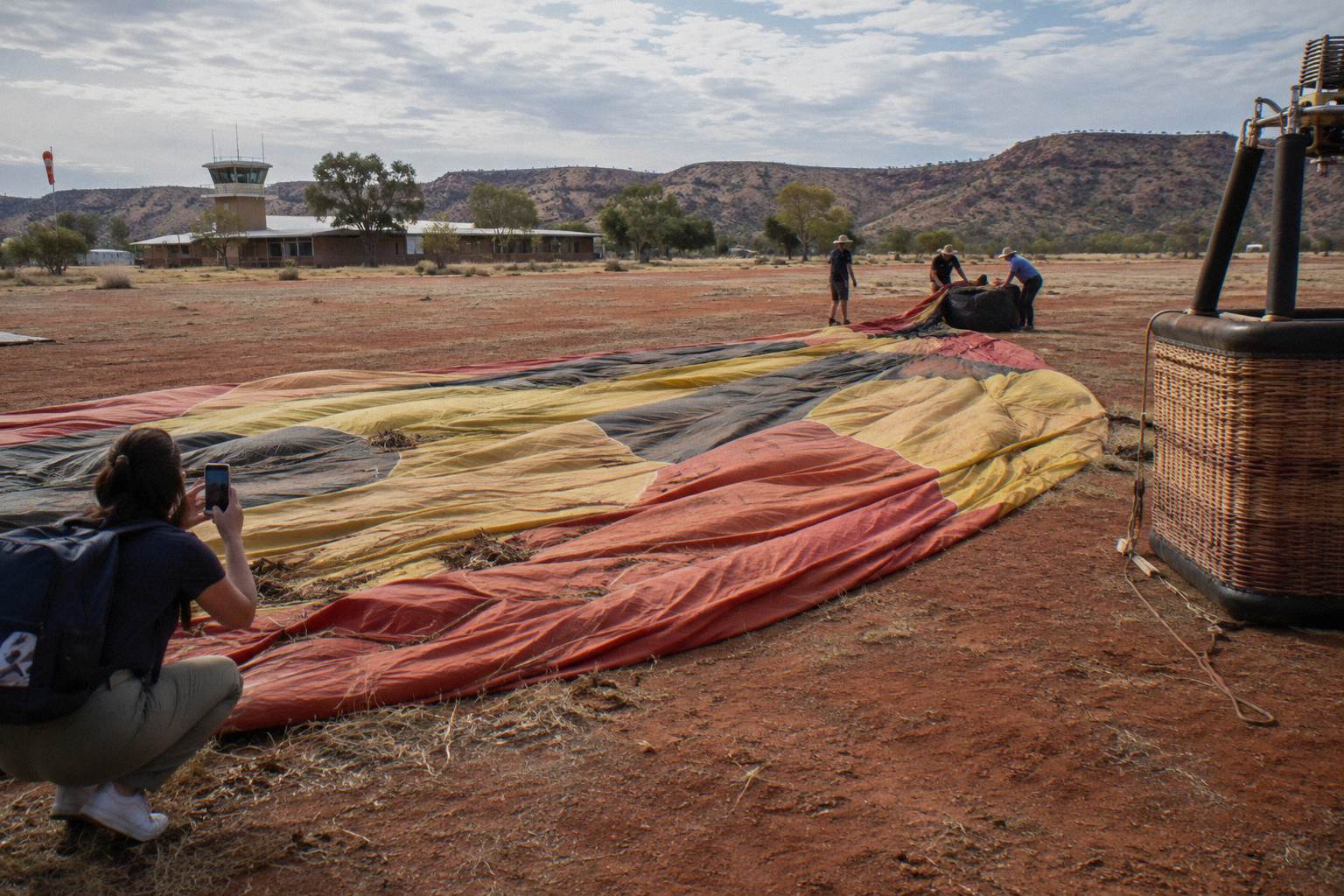
Yes: the flight ends by mid-morning, roughly four hours after pickup, and the two adjacent experiences this site lists both photograph well in their own right. The strongest plan is a dawn flight one morning and a full-day West MacDonnell Ranges trip on the day before or after; these run about 9.5 to 10.5 hours depending on the operator.
The day trip is operated by Emu Run Experience and runs about 9.5 hours with hotel pickup from 22 locations, a guide, Standley Chasm entry, morning tea and a bushman's lunch; the booking page rating is worth a look before you commit. The Wildlife Tours Australia day tour runs about 10.5 hours with a morning departure by air-conditioned mini-coach, lunch, snacks and Standley Chasm entry included, guided bush walks of 3-4 km, and pickup and drop-off at selected inner-city Alice Springs points. Neither operator publishes its price, so check the booking page for current fares rather than trusting any number floating around online.
The photographic logic of the pairing is straightforward. The balloon gives you aerial light on the Ranges from the east at dawn. The Wildlife Tours Australia tour offers ground-level time in the gorges on guided bush walks of 3-4 km. Same desert, separate days, two very different vantage points, and lunch now built into the tour day itself. The day trip is the choice if what you wanted from the balloon was more of the Ranges themselves, since the flight famously does not cross them, and the ranges' gorges and chasms are what you drive through on the ground. More on sequencing that at what to do after your balloon flight.
Bringing this back to the original question, the answer has not changed and is not going to: the operator does not state a camera or phone rule, so ask, and plan around the standing, the 1.2 m rim, the shared compartment and the two high-risk phases. Everything else, the launch site, the Ranges backdrop, the wildlife, the sparkling wine on the red dirt afterwards, is stated, verified and waiting. The site's home page at Alice Springs Hot Air Balloon collects the full flight guide if you want the wider picture before committing to a date.
Common Questions About Phones And Cameras On Hot Air Balloons
Can You Take A Phone Or Camera On A Hot Air Balloon?
The operator's published material does not prohibit phones or cameras, but it also does not explicitly allow them: no camera, phone or drone policy appears in its terms, brochure or FAQ. Ask the operator at booking. The stated rules that do touch your gear are that backpacks stay on the bus and nothing may dangle, including jewellery and scarves, at the launch site.
Are Drones Allowed On An Alice Springs Balloon Flight?
The operator states no drone policy either way, and this page will not invent one. A launch field is an active aviation environment operating under a CASA air operator's certificate, so the only sensible path is to ask the operator before you bring a drone and accept the answer you get.
Where Do Backpacks And Camera Bags Go During The Flight?
Backpacks stay on the bus, per the operator's guidance. Anything you want in the basket must be carried on your body, which in practice means a phone or small camera in a secure pocket. Your bag meets you again after landing, when the post-flight pack-up and sparkling wine service is happening.
Is It Safe To Hold A Phone Over The Edge Of The Basket?
During the calm drift, passengers commonly photograph over the roughly 1.2 m basket wall. During launch and especially landing it is not: the basket can bump, drag and tip, and passengers brace rather than shoot. The classic way phones are lost is being held out or left in loose pockets at landing.
Will It Be Too Cold For My Phone Or Camera?
Possibly, in winter. July's mean minimum at Alice Springs Airport is 3.9 °C, and pickups happen before first light. Cold visibly drains batteries, so keep your device in an inside pocket until you shoot, and bring gloves you can operate a touchscreen or shutter with.