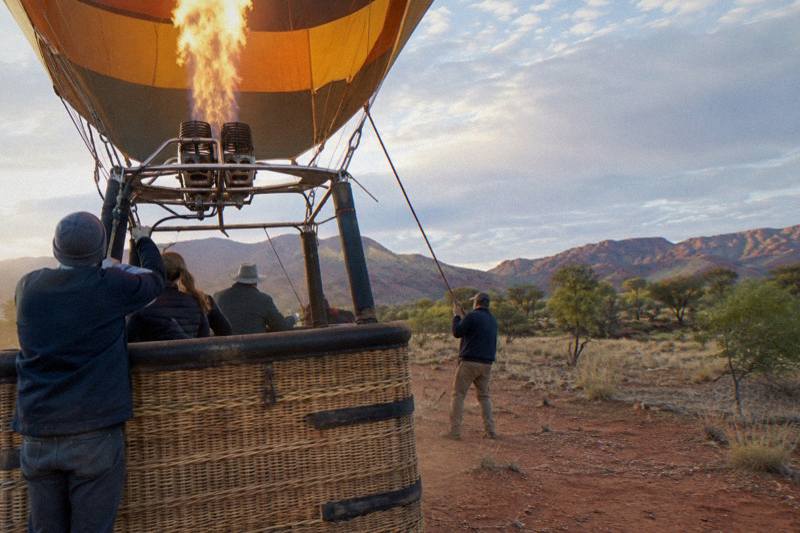
Best Time Of Year For A Balloon Flight In Alice Springs
Alice Springs balloon flights run almost every day of the year, so the real question is not whether you can fly in July or January, but which month's pre-dawn temperature, daylight hours and clothing demands suit you.
Short answer
There is no closed balloon season: Outback Ballooning flies daily all year except New Year's Day, Christmas Day and Boxing Day, weather and loadings permitting. July means a pre-dawn chill near the mean minimum of 3.9 °C and mild days near 19.9 °C; summer means 4:15am pickups and pre-dawn warmth near 21.6 °C in January. The choice is comfort, not flyability.
Yes, you can fly almost any day of the year: Outback Ballooning operates daily all year, excluding only New Year's Day, Christmas Day and Boxing Day, weather and loadings permitting. The decision is really about comfort at the launch field. July, the busiest research month for this page, pairs the coldest pre-dawn temperatures of the year, a mean minimum of 3.9 °C at Alice Springs Airport, with the mildest daytime maximums, 19.9 °C on average. Summer flips that trade: warm 4:15am pickups against hot afternoons. Neither month is a better flying month, because flying conditions are the pilot's call on the morning, and wind statistics are simply not part of the published record.
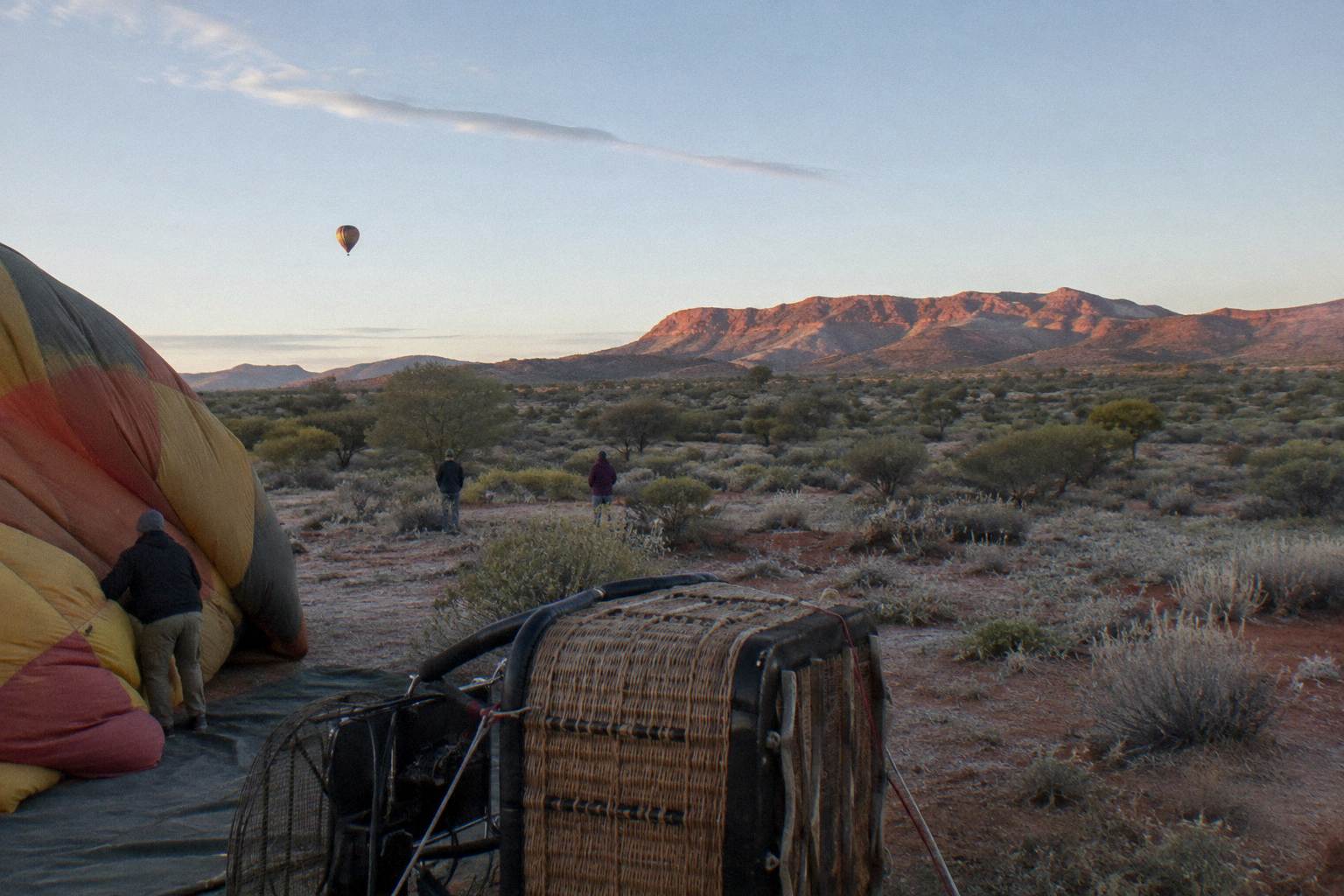
Ballooning here is a dawn activity by necessity, and the season changes what that dawn looks like. In mid-winter the sky is still dark at 5:45am when the bus collects you, and frost is possible on the spinifex. In December first light arrives before 5:20am and the pre-dawn air feels closer to 20 °C. Everything about the experience, from the alarm clock to the layers you carry, shifts with the calendar. This guide works through the climate record, the sunrise maths and the operator's own schedule rules so you can pick a month that matches what you want from the morning.
The featured flight, the 30 or 60 minute dawn balloon flight operated by Outback Ballooning and rated 4.9 from 288 reviews on its main booking page, runs on the same daily schedule year round. You can see dates and fares on the operator's dawn balloon flight page, where a 30 minute flight is listed at the operator's published fare of A$380 adult and A$340 child for ages 6 to 14, and the 60 minute flight at A$450 adult and A$405 child. Fares are as the operator lists them and can change, so treat the booking page as the source of truth.
When Is The Best Month For A Balloon Flight In Alice Springs?
The honest answer is that any month works, because the flight is weather-permitted on the day rather than seasonal, and no published wind data supports calling one month better for flying than another, so the "best" is purely a comfort judgement. What the climate record does support is a comfort trade-off. July delivers the coldest pre-dawn, a mean minimum of 3.9 °C with a record low of minus 7.5 °C, and the coolest days, averaging 19.9 °C. January delivers pre-dawn warmth near 21.6 °C but the hottest afternoons at 36.6 °C and the wettest month, 41.8 mm on average. April, May and September sit in between, with milder mornings and fewer rain days than summer.
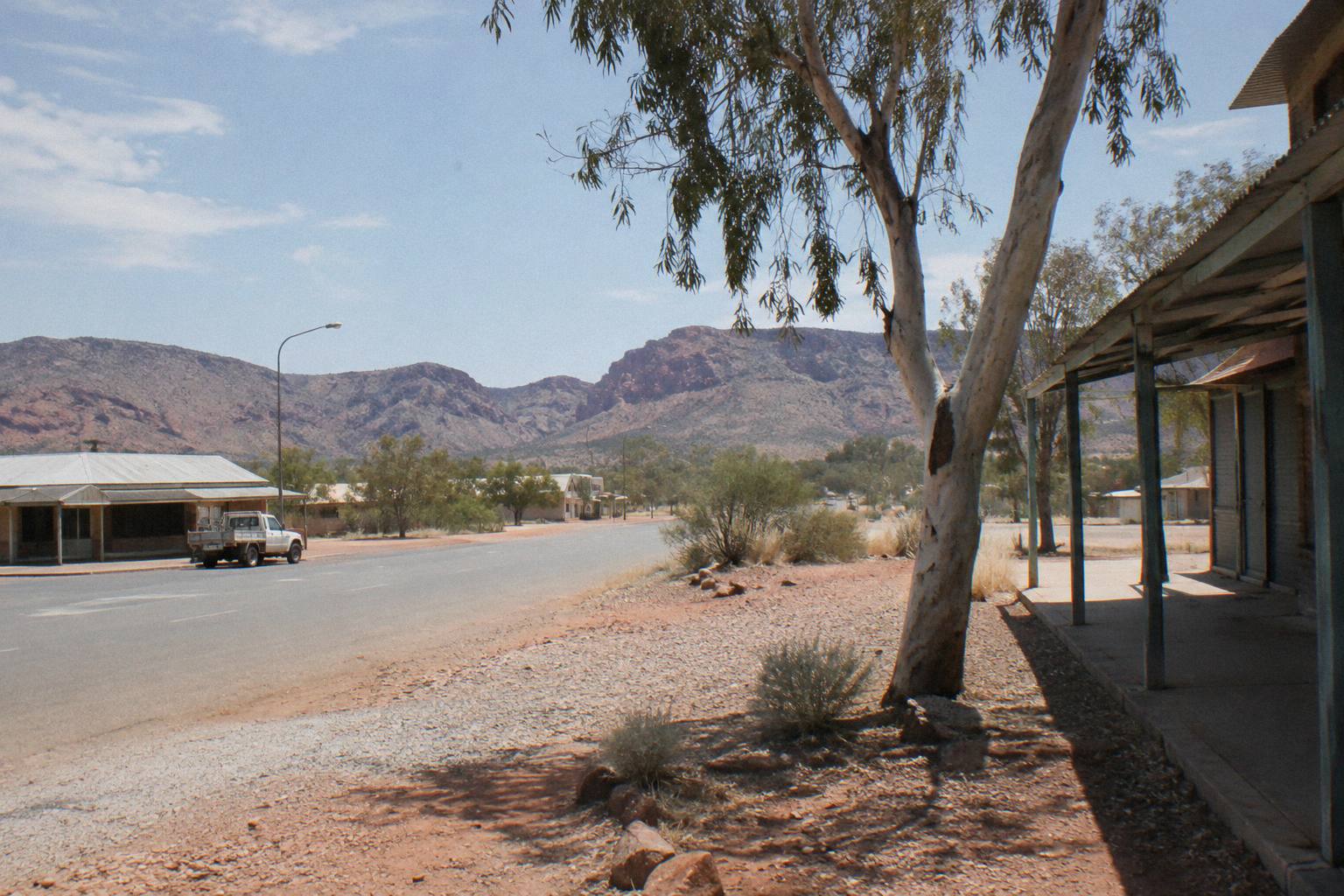
The Bureau of Meteorology's long-term statistics for Alice Springs Airport, station 015590, cover 85 years from 1941 to 2026, which makes this one of the better documented climates in the country for planning purposes. Two caveats matter. First, these are whole-day statistics: the pre-dawn period you will actually stand in at the launch field sits close to the mean minimum row, not the maximum. Second, wind normals are not part of the published record for this station, and any site claiming a "best wind month" for Alice Springs is filling a gap the data does not cover. Whether a flight launches is decided by the pilot on the morning, and the operator's terms say that decision is final.
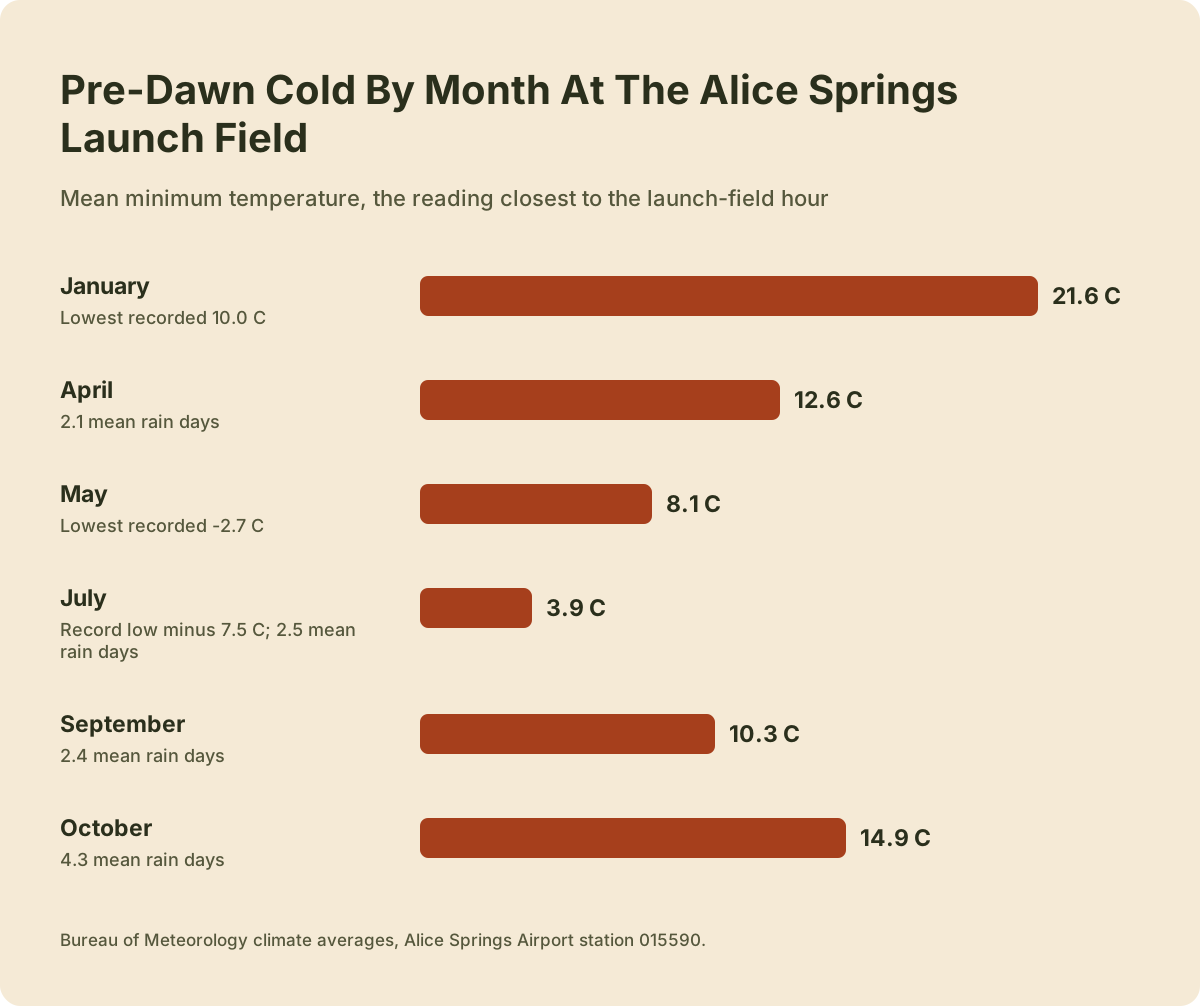
What this means practically is that your month choice should follow what you want to do with the rest of the day. Winter mornings end by 9 or 10 am with the whole day ahead in pleasant 20 °C temperatures, ideal for pairing the flight with a West MacDonnell Ranges trip. Summer mornings end early too, but by lunchtime the town is hot, and the middle of the day is better spent indoors while the desert tops 35 °C. If you hate the cold more than early alarms, aim for the warmer months. If you would rather shiver for 40 minutes at dawn than swelter by noon, book the June-to-August window.
What Is Alice Springs Like In July?
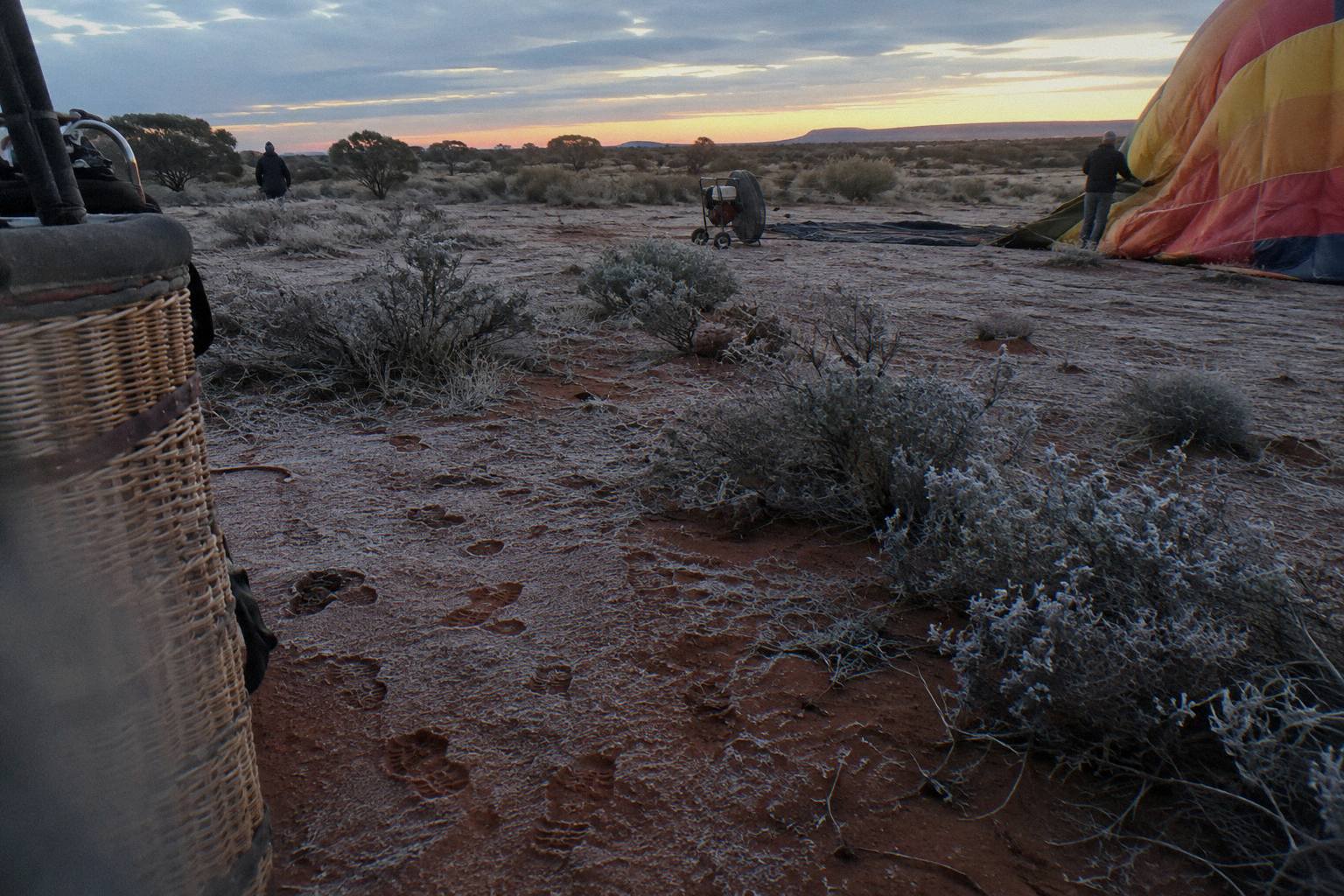
July in Alice Springs is cold before dawn and mild by lunch: the mean minimum is 3.9 °C, the lowest-recorded temperature for the month is minus 7.5 °C, and the mean daily maximum is a gentle 19.9 °C, with only 2.5 mean rain days across the month. Rainfall averages just 14.0 mm in July. It is the coldest month of the year at the airport station, and also one of the driest, which is why so many travellers plan their entire Red Centre trip around it. The balloon schedule does not change: flights run daily, weather and loadings permitting.
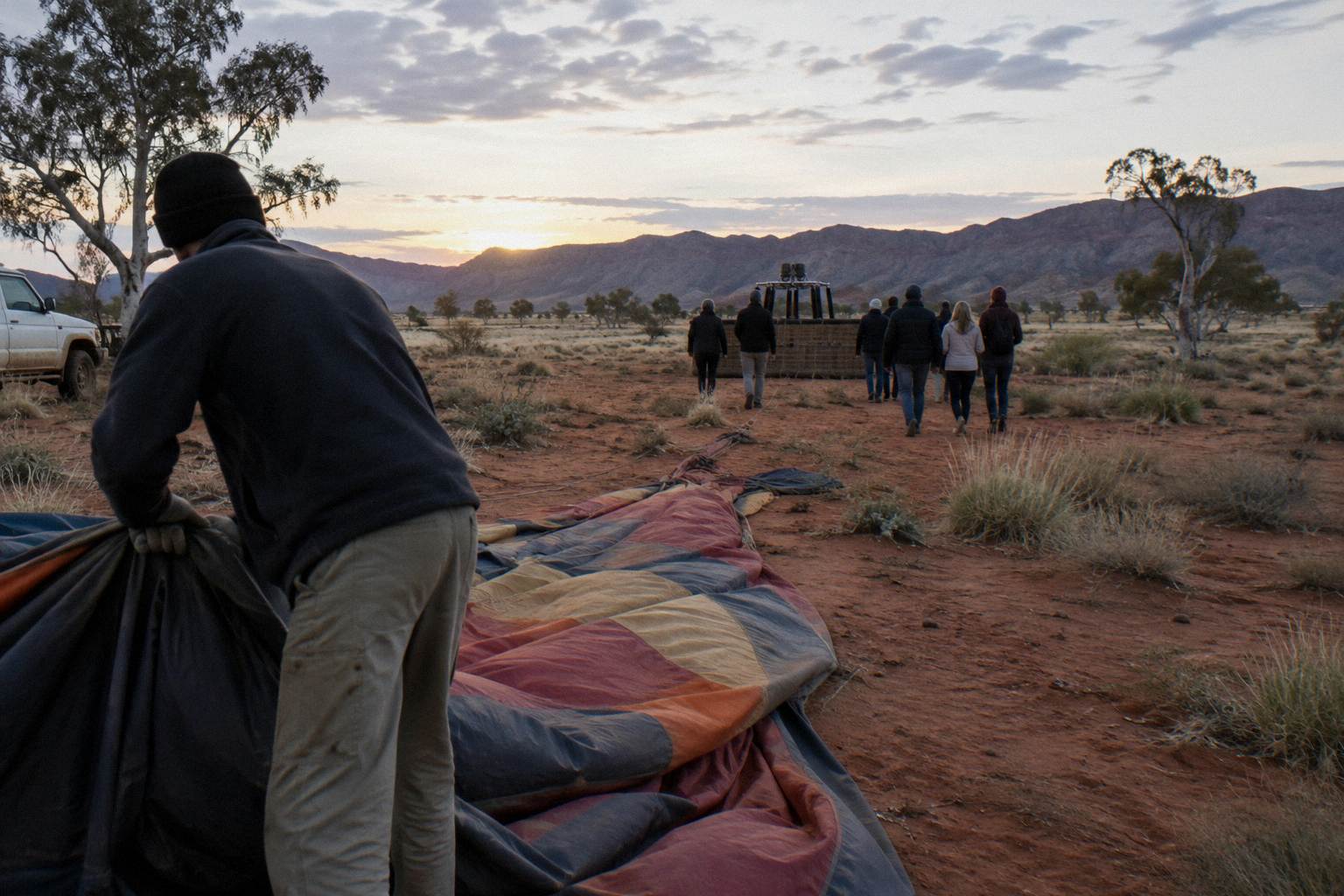
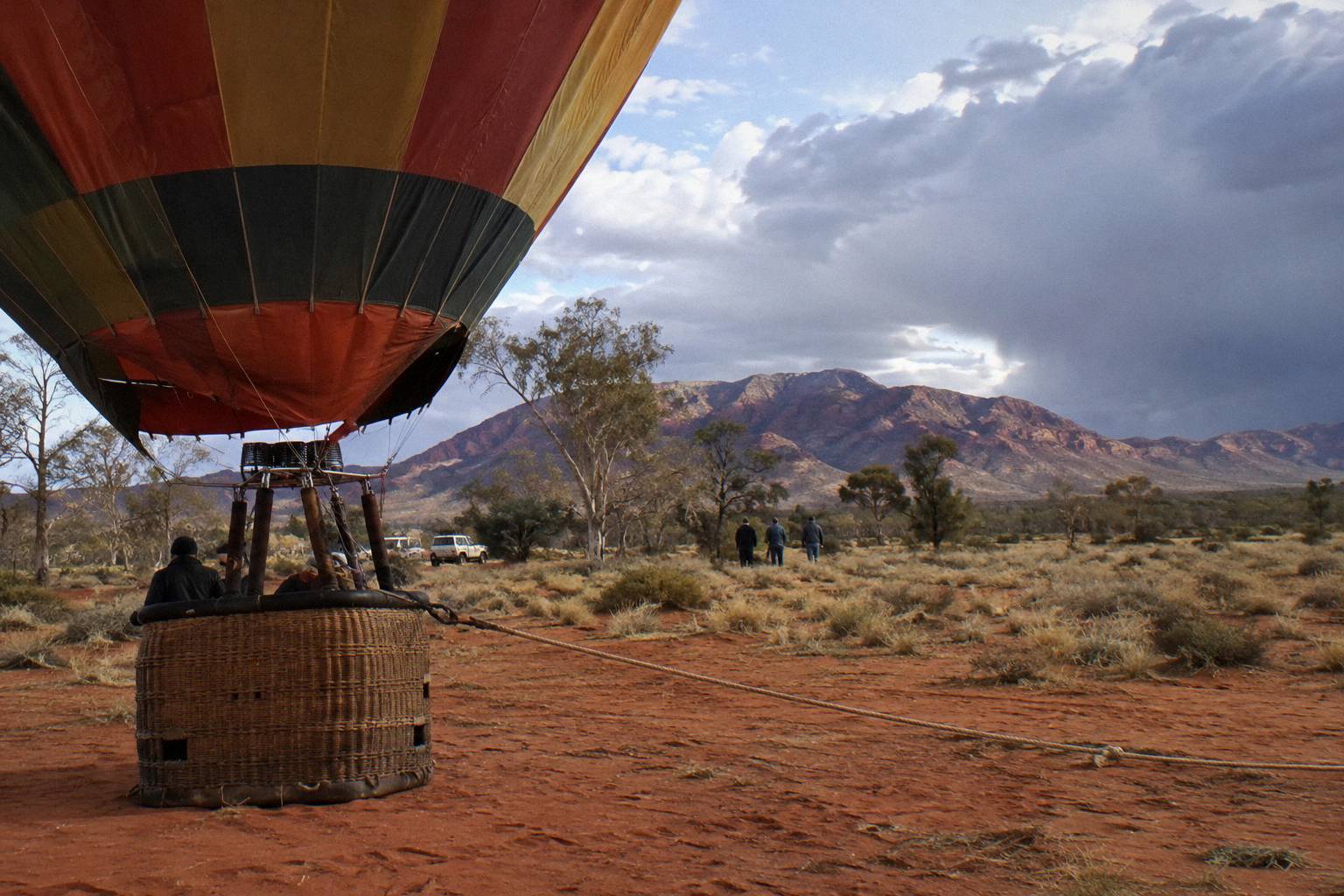
The pre-dawn reality deserves emphasis because it surprises people. Pickup in mid-winter is about 5:45am, roughly an hour before first light, and you will stand outdoors at the launch field for a while as the balloon inflates. In a month where the record low is minus 7.5 °C, that is genuine cold, the kind that needs a proper jacket, a hat and enclosed shoes rather than a token hoodie. The operator's clothing advice for this period is warm layers from about May to September, and the other local brand advises very warm clothing in mid-winter. The reward is that by the time you land and drink your sparkling wine, the day is warming toward a maximum that rarely troubles 20 °C.
July is also the peak of the visitor season for the Red Centre generally, which has two consequences for a balloon booking. Loadings permitting means flights can fill, and flights can also be cancelled for minimum numbers, so a mid-week January date can behave differently to a July Saturday. Booking ahead, confirming your pickup time the day before as the operator instructs, and keeping one buffer morning free in your itinerary are all sensible July tactics. If the pilot cancels for weather, the operator's terms let you rebook another day or take a full refund of a prepaid fare.
There is a second booking page for exactly the same Outback Ballooning flight, listed as Early Morning Ballooning in Alice Springs and rated 4.8. The flight, the operator, the launch area and the 30 or 60 minute duration options are identical, so treat the two listings as one product and compare whichever page you land on against the operator's published brochure fares.
How Cold Is Each Month At The Balloon Launch?
Pre-dawn temperatures at the launch field track the mean minimum row of the climate record: from 21.6 °C in January down through 8.1 °C in May to 3.9 °C in July, then back up through 14.9 °C in October. The extremes run wider, from a record low of minus 7.5 °C in July to lows of 10.0 °C even in midsummer. The whole-day maximums, which matter only for what you do after landing, range from 19.9 °C in July to 36.6 °C in January.
| Month | Mean min C | Mean max C | Lowest recorded C | Mean rain days |
|---|---|---|---|---|
| Jan | 21.6 | 36.6 | 10.0 | 4.9 |
| Feb | 20.8 | 35.3 | 8.5 | 4.6 |
| Mar | 17.7 | 32.8 | 6.1 | 3.5 |
| Apr | 12.6 | 28.4 | 1.4 | 2.1 |
| May | 8.1 | 23.1 | -2.7 | 2.9 |
| Jun | 4.9 | 20.0 | -6.0 | 2.6 |
| Jul | 3.9 | 19.9 | -7.5 | 2.5 |
| Aug | 5.9 | 22.9 | -4.1 | 1.8 |
| Sep | 10.3 | 27.5 | -1.0 | 2.4 |
| Oct | 14.9 | 31.3 | 1.3 | 4.3 |
| Nov | 17.9 | 33.8 | 3.5 | 5.6 |
| Dec | 20.3 | 35.6 | 9.3 | 5.9 |
These figures come from the Bureau of Meteorology's climate averages for Alice Springs Airport, drawn from 85 years of observations at station 015590. They describe the airport site a short drive from town; the launch area about 15 km south over Owen Springs Cattle Station will not differ materially. Read the minimum column for your arrival-at-the-field experience and the maximum column for your post-landing plans.
A pattern worth noticing: the shoulder months compress the spread. April and September both combine a manageable pre-dawn, 12.6 °C and 10.3 °C respectively, with rain-day counts of 2.1 and 2.4, among the lowest of the year. August is technically the driest month by rain days at 1.8 and by rainfall at 8.4 mm, while sitting only 2 °C warmer than July at dawn. If July's cold puts you off but you still want the cool-season window, August is the obvious compromise.
What Time Is Pickup And Sunrise Each Month?
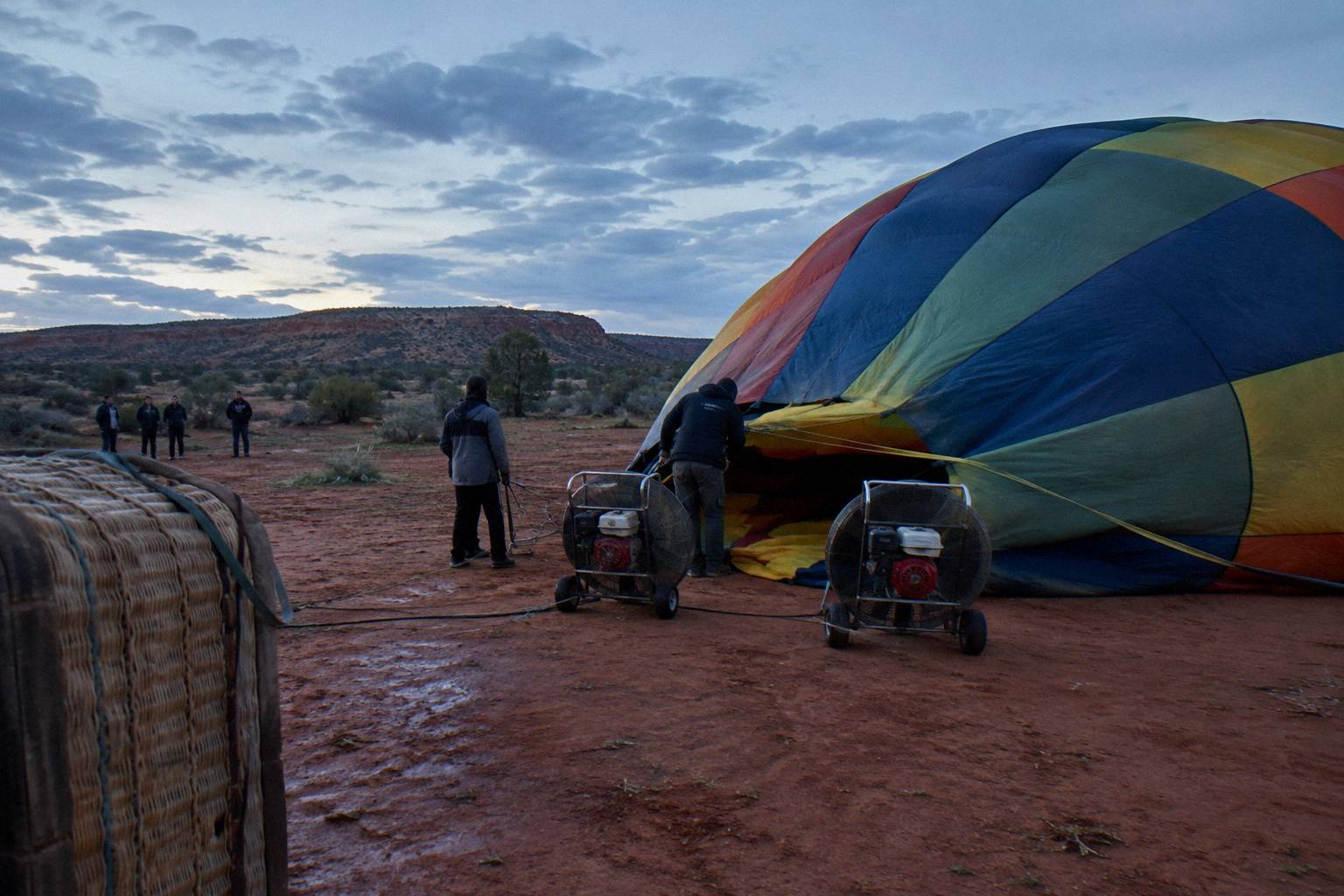
Pickup runs about one hour before first light, which the operator anchors at roughly 4:15am in summer and 5:45am in mid-winter, with the exact time confirmed at booking and again the day before, so the month you choose sets your alarm clock more than anything else. First light itself swings widely through the year: about 5:17am in December against 6:52am in July, computed from the NOAA solar position calculation for Alice Springs at latitude minus 23.698, longitude 133.883, in ACST, which has no daylight saving in the Northern Territory.
| Month (15th) | Sunrise, approximate | First light, approximate |
|---|---|---|
| Jan | 6:00 | 5:35 |
| Feb | 6:22 | 5:58 |
| Mar | 6:36 | 6:14 |
| Apr | 6:48 | 6:25 |
| May | 7:01 | 6:37 |
| Jun | 7:14 | 6:49 |
| Jul | 7:16 | 6:52 |
| Aug | 7:01 | 6:38 |
| Sep | 6:32 | 6:09 |
| Oct | 6:02 | 5:39 |
| Nov | 5:42 | 5:18 |
| Dec | 5:42 | 5:17 |
This table is a computed approximation, accurate to about two minutes and not an official Bureau table, but it cross-checks cleanly against the operator's own pickup anchors: one hour before first light gives about 4:17am in December and about 5:52am in July, matching the stated 4:15am summer and 5:45am mid-winter pickups. In prose, trust the operator's confirmed time over any table, because the pilot chooses the launch field for the wind on the morning and the schedule follows the daylight.
Two planning consequences follow. In summer the whole trip, about four hours door to door including transfers and the post-landing celebration, can be finished by about 8:15am, leaving you a full if hot day. In winter the same trip ends closer to 10am, which still leaves most of a mild day free. One operator caveat belongs here: the terms state plainly that passengers are not guaranteed to be in the air at sunrise. Flights aim for the dawn window, but duration and timing are approximate, and no refund is given if a flight runs shorter than its nominal 30 or 60 minutes.
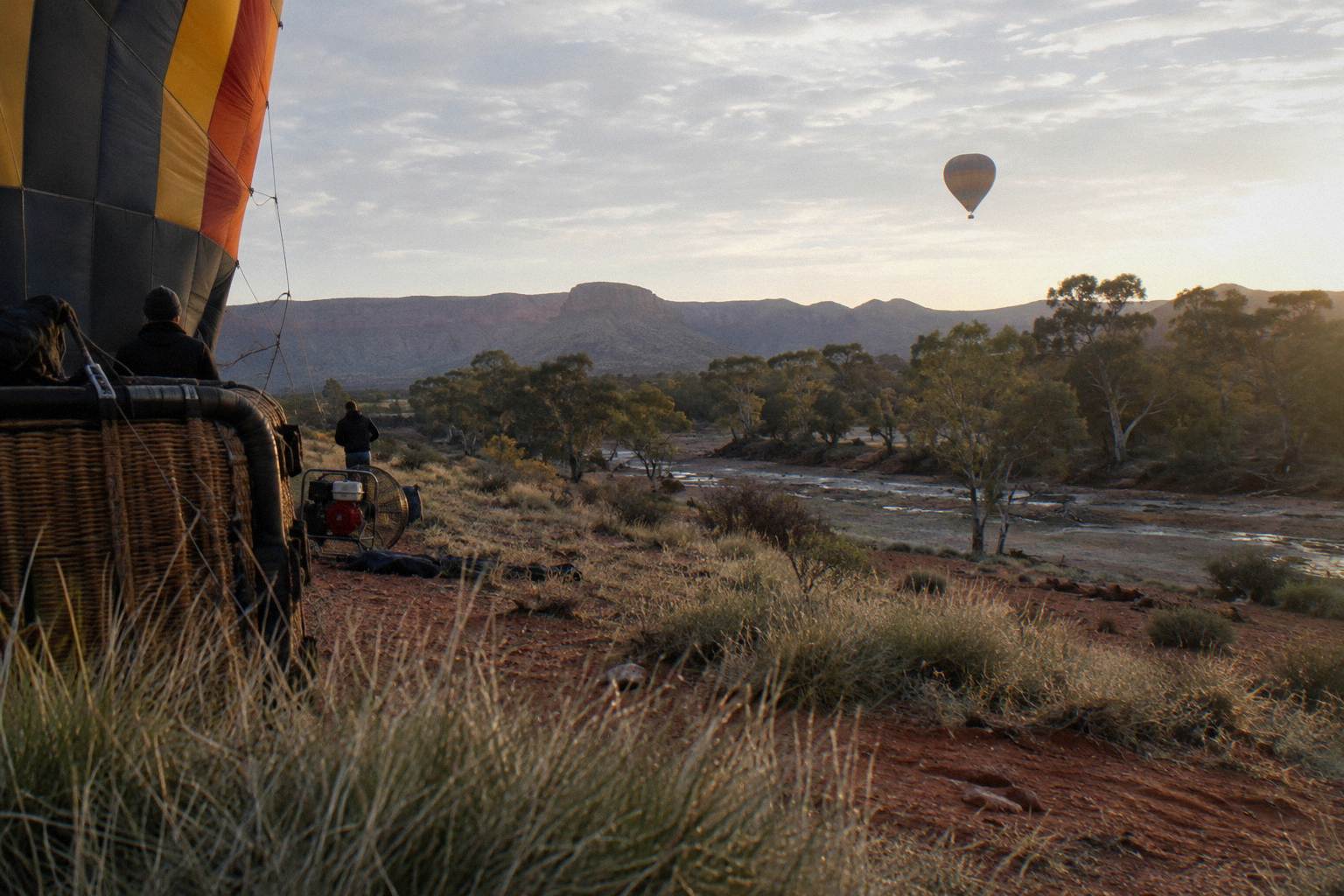
Return transfers from Alice Springs accommodation are included in the fare. Private addresses, Airbnbs and rural properties may not be covered, and rural or camping guests meet at Crowne Plaza Lasseters reception at 93 Barrett Drive. There is no pickup from Uluru, so anyone combining the Red Centre's two famous sights must sleep in Alice Springs the night before the flight; more detail is in where to stay before a dawn balloon flight.
Are Summer Flights Too Hot To Enjoy?
Summer flights are not hot at the time of the flight, because the balloon flies in the coolest hour of the day, but January's mean pre-dawn minimum is 21.6 °C and its mean maximum is 36.6 °C, so the heat arrives after you land. The mean rainfall also peaks across the warm months, 41.8 mm in January and 42.4 mm in February, and summer is when a weather cancellation is most consistent with the statistics, though again, the pilot's decision is made on the morning and no cancellation rate is published.
The 4:15am summer pickup is the real filter. Standing in the dark at 4:45am in warm air, watching a balloon inflate by fan and burner light, is an experience many people genuinely prefer: no layers to manage, no shivering, and the desert smells stronger in the warm air. The wildlife odds tilt the same way, with red kangaroos, birds and wild camels all active in the cooler first hour. The operator's own description of the longer flight asks passengers to watch for kangaroos, spinifex grasses, mulga scrub and cattle stations, and the low winter sun is not the only light that flatters that country.
What summer costs you is the afternoon. From December through February, mean maximums sit at 35.6 °C, 36.6 °C and 35.3 °C, and November is barely kinder at 33.8 °C. Anyone planning to fill the post-flight day with walks or a ranges trip will be doing it in serious heat. The comfortable pattern in the warmer months is balloon at dawn, pool or air-conditioning at noon, and a full-day trip such as the West MacDonnell Ranges Day Tour With Lunch saved for a separate day, since it departs in the morning and runs about 10.5 hours.
March and November are the quieter shoulder months, each with a mean minimum near 18 °C, but both carry more rain days than the middle of the year, 3.5 and 5.6 respectively. November is actually the wettest month of all by rain days. If you want warm dawns with a lower rain-day count, October, at 14.9 °C minimum, 31.3 °C maximum and 4.3 rain days, is the pick of the warm half of the year.
What Should You Wear For Each Season?
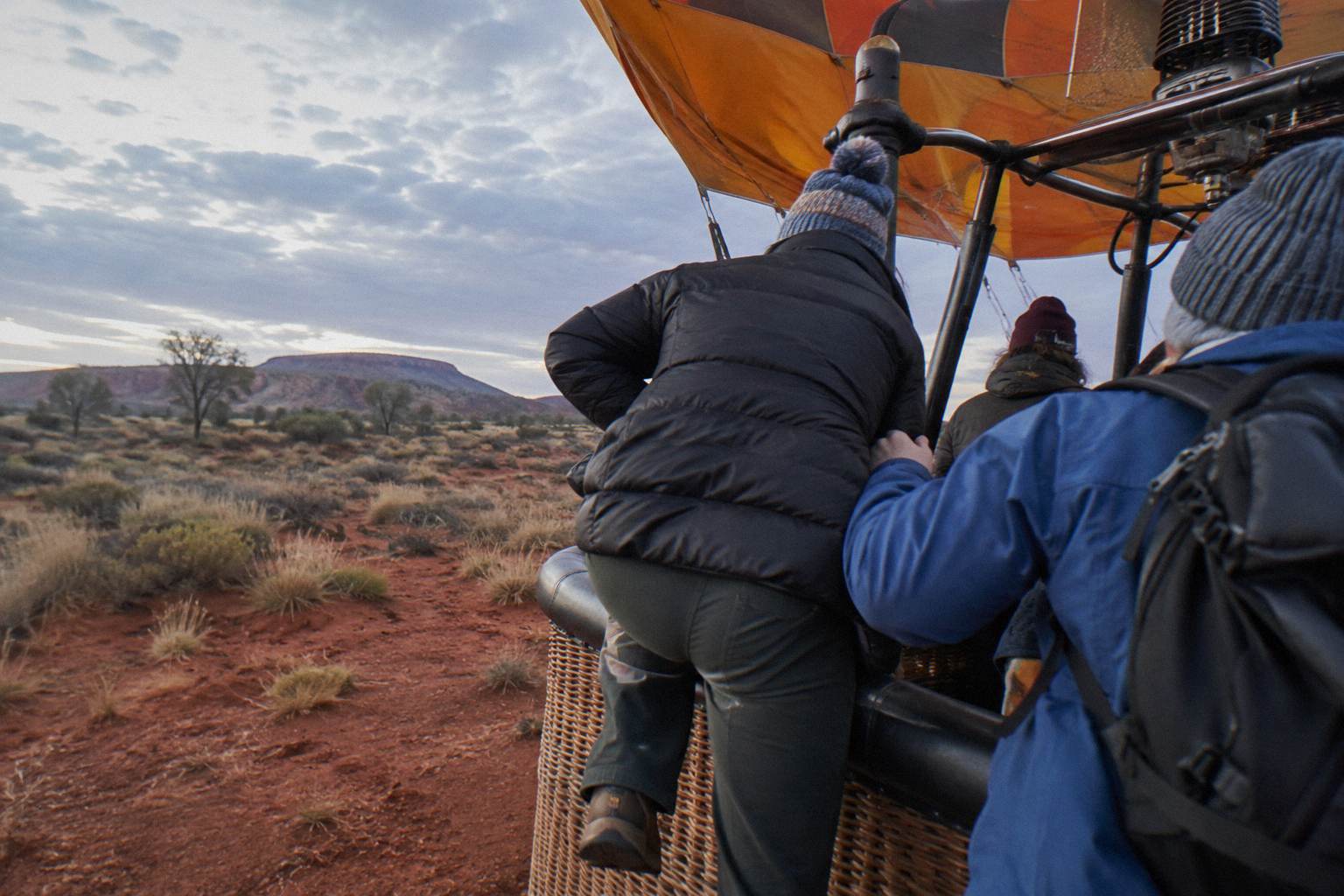
The operator's clothing advice is season-dependent: warm layers from about May to September, very warm clothing in mid-winter, a light jacket from April to October in the other local brand's wording, and always long pants, a hat, enclosed flat shoes, outdoor clothing that is not white, and no dangling jewellery or scarves at the launch site. Backpacks stay on the bus. The no-scarves rule is a standing safety instruction, not a fashion preference.
| Season | Pre-dawn feel | Operator clothing advice |
|---|---|---|
| Dec to Feb | Warm, mean min above 20 °C | Standard outdoor clothing, long pants, hat, enclosed shoes |
| Mar, Apr, Oct, Nov | Cool to mild, mean min 12 to 18 °C | Light jacket over long pants |
| May to Sep | Cold, mean min 4 to 10 °C | Warm layers, hat, enclosed shoes |
| Jun to Jul | Very cold, record lows below minus 6 °C | Very warm clothing, layers you can remove as the day warms |
The launch field is not a place to test your cold tolerance unprepared. July's record low of minus 7.5 °C was measured somewhere in 85 years of July nights, but even an average July pre-dawn at 3.9 °C bites after 30 minutes of standing still, and the flight itself adds no cabin heating beyond the occasional burner roar. Layers work because the same morning runs from dark-and-freezing to sparkling-wine-in-sunshine inside four hours. The deeper dive on fabrics, footwear and the white-clothing question is in what to wear on a hot air balloon ride.
One clothing rule deserves its own mention because it has a safety edge: no scarves and no dangling jewellery at the launch site. The inflation fans are powerful machinery running in the dark centimetres from where passengers stand, and loose fabric near them is exactly what the operator's rules are written to prevent. If a scarf matters to your outfit, leave it on the bus with the backpacks and collect it for the photos after landing.
Which Days Of The Year Have No Balloon Flights?
Only three calendar days are excluded from the schedule: New Year's Day, Christmas Day and Boxing Day, with every other day flown daily all year, weather and loadings permitting, and a flight may also be cancelled for minimum numbers, which means the calendar almost never blocks you outright. That is the operator's own terms wording, and the other local brand's schedule is simpler still: every day, weather permitting. There is no monsoon closure, no summer shutdown and no winter pause in Alice Springs ballooning.
The practical read for a planner is that the calendar almost never blocks you, but two soft factors can. Weather is the obvious one, decided by the pilot on the morning, and the operator says its flights run an average of 250 to 300 days a year on its own claim. Minimum numbers is the quieter one: a lightly booked mid-summer Tuesday can be stood down where a July Saturday fills a basket. Neither factor is predictable at booking time, which is the argument for building a spare morning into your trip, especially in the months with the highest mean rain-day counts: December at 5.9 and November at 5.6.
Cancellation terms are worth knowing before you book rather than after. Cancelling more than 24 hours before pickup attracts no fee; cancelling within 24 hours or a no-show forfeits the full fare, and the terms even cover cold feet at the launch field, which may also forfeit the fare. If the operator cancels for weather, you rebook another day or take a full refund of a prepaid fare. Alterations are free up to 24 hours before. The full mechanics are covered in balloon flight cancellations and weather.
How Do You Plan The Rest Of The Day After A Flight?
The balloon trip takes about four hours door to door, ending mid-morning, so in every month you have most of a day left: winter days average 20 °C and suit the ranges immediately, summer days average above 35 °C by afternoon and suit a slower rhythm. The operator can drop you at the airport on request, since the flight ends near it and the airport is a 15 to 20 minute drive, and can also transfer you to other tours on request, which is how some travellers chain a same-day itinerary.
The classic winter pairing is the West MacDonnell Ranges. A day trip departs at 7:45 am, runs about 9.5 hours with hotel pickup from 22 locations, includes a guide, Standley Chasm entry, morning tea and a bushman's lunch, and returns about 5:30 pm; it is rated 4.7 from 334 reviews. The balloon landing wraps up close to the departure window, so the transfer-on-request option matters here: mention it when booking rather than assuming. In July, with a mean maximum of 19.9 °C, walking chasms in the afternoon is comfortable in a way it simply is not in January at 36.6 °C.
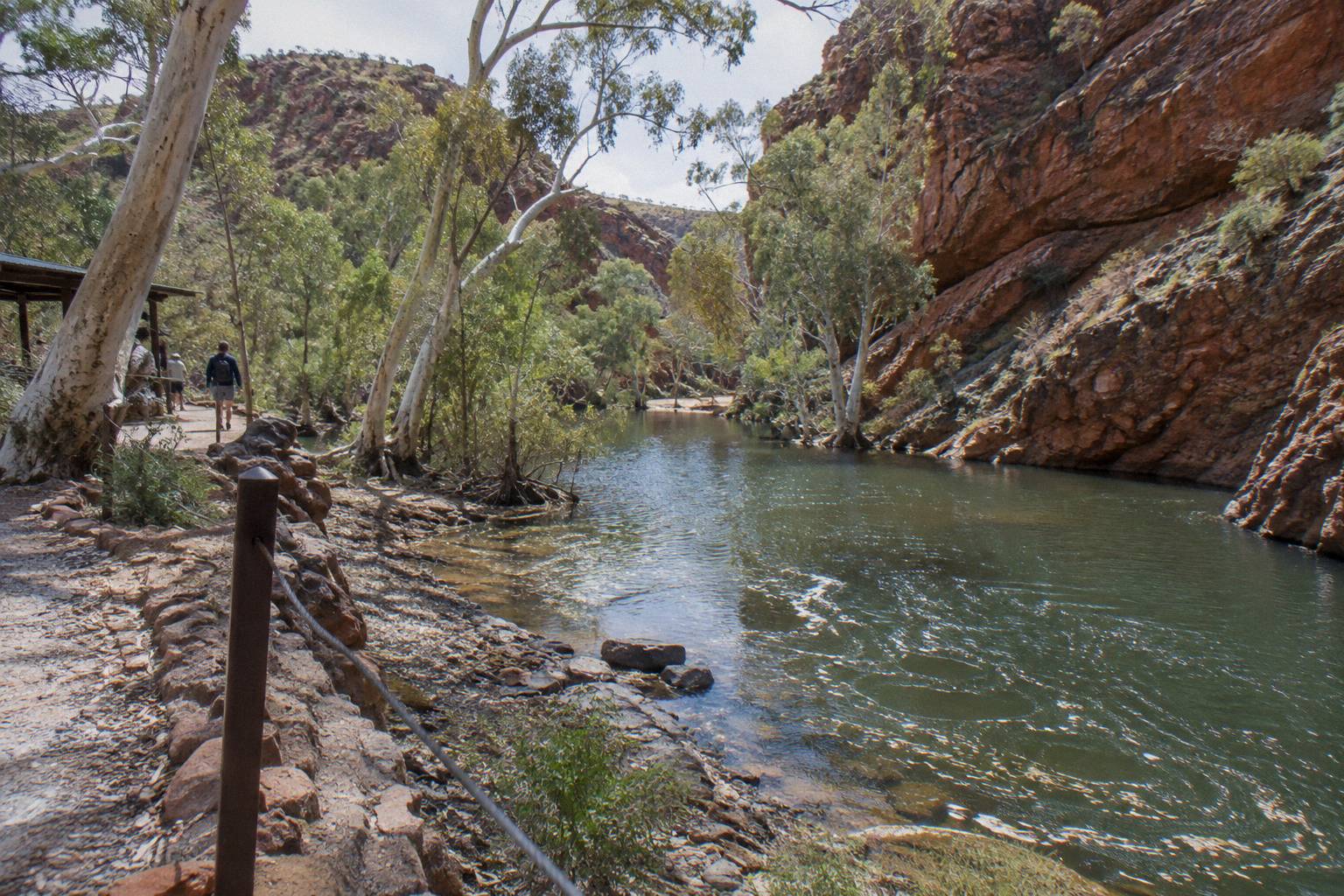
Summer mornings argue for the opposite shape: balloon, brunch, rest through the middle of the day, then save the West MacDonnell Ranges Day Tour With Lunch for the day before or after, a full-day air-conditioned mini-coach trip of about 10.5 hours departing in the morning with pickup from selected inner-city Alice Springs points. Its stops include Simpsons Gap, Standley Chasm, Ellery Creek Big Hole, the Ochre Pits, Glen Helen and Ormiston Gorge, and its guided bush walks of 3-4 km call for moderate fitness. More pairing ideas are in things to do after a balloon flight in Alice Springs.
Whatever the month, book the balloon for your first full morning in town rather than your last. If the pilot stands the flight down, a first-morning booking leaves you rebook options within the same trip instead of a refund and a story about the one that got away. That single habit does more for your odds than any amount of month-picking, because the day the balloon flies is decided the morning of, not the month you chose in advance.
A Quick Month-By-Month Verdict
Ranking months for an Alice Springs balloon flight is a comfort exercise, not a flyability one: no wind data exists to rank flying conditions, so the verdict below weighs stated temperatures, rain days and what the rest of each day offers. August and September combine the lowest rain-day counts, 1.8 and 2.4, with pre-dawn cold that is easing, 5.9 °C and 10.3 °C, and pleasant maximums, 22.9 °C and 27.5 °C. July is the coldest at dawn but the mildest by day. The summer half trades warmth at 4:15am for heat at noon.
| Month | Pre-dawn, mean min | Days after landing | The verdict |
|---|---|---|---|
| Jan | 21.6 °C | 36.6 °C | Warm dawn, hottest days, most rain days of summer |
| Feb | 20.8 °C | 35.3 °C | Similar to January, 42.4 mm mean rainfall |
| Mar | 17.7 °C | 32.8 °C | Quieter, mild dawns, rain easing |
| Apr | 12.6 °C | 28.4 °C | Comfortable shoulder, light jacket weather |
| May | 8.1 °C | 23.1 °C | Cold dawns, excellent daytime touring |
| Jun | 4.9 °C | 20.0 °C | Properly cold at the field, mild days |
| Jul | 3.9 °C | 19.9 °C | Coldest dawn of the year, mildest days |
| Aug | 5.9 °C | 22.9 °C | Driest month by rain days, 1.8 |
| Sep | 10.3 °C | 27.5 °C | The balanced pick: cold easing, still dry |
| Oct | 14.9 °C | 31.3 °C | Warm half begins, 4.3 rain days |
| Nov | 17.9 °C | 33.8 °C | Most rain days of the year, 5.6 |
| Dec | 20.3 °C | 35.6 °C | Earliest pickups, near 5:17am first light |
If the table had to collapse into one sentence: for cool-season comfort with the lowest statistical chance of a rain disruption, book August or September; for the mildest days and the deepest cold at the field, July; for warm dawns and no layers, October through March, accepting the afternoon heat. Every one of those months flies.
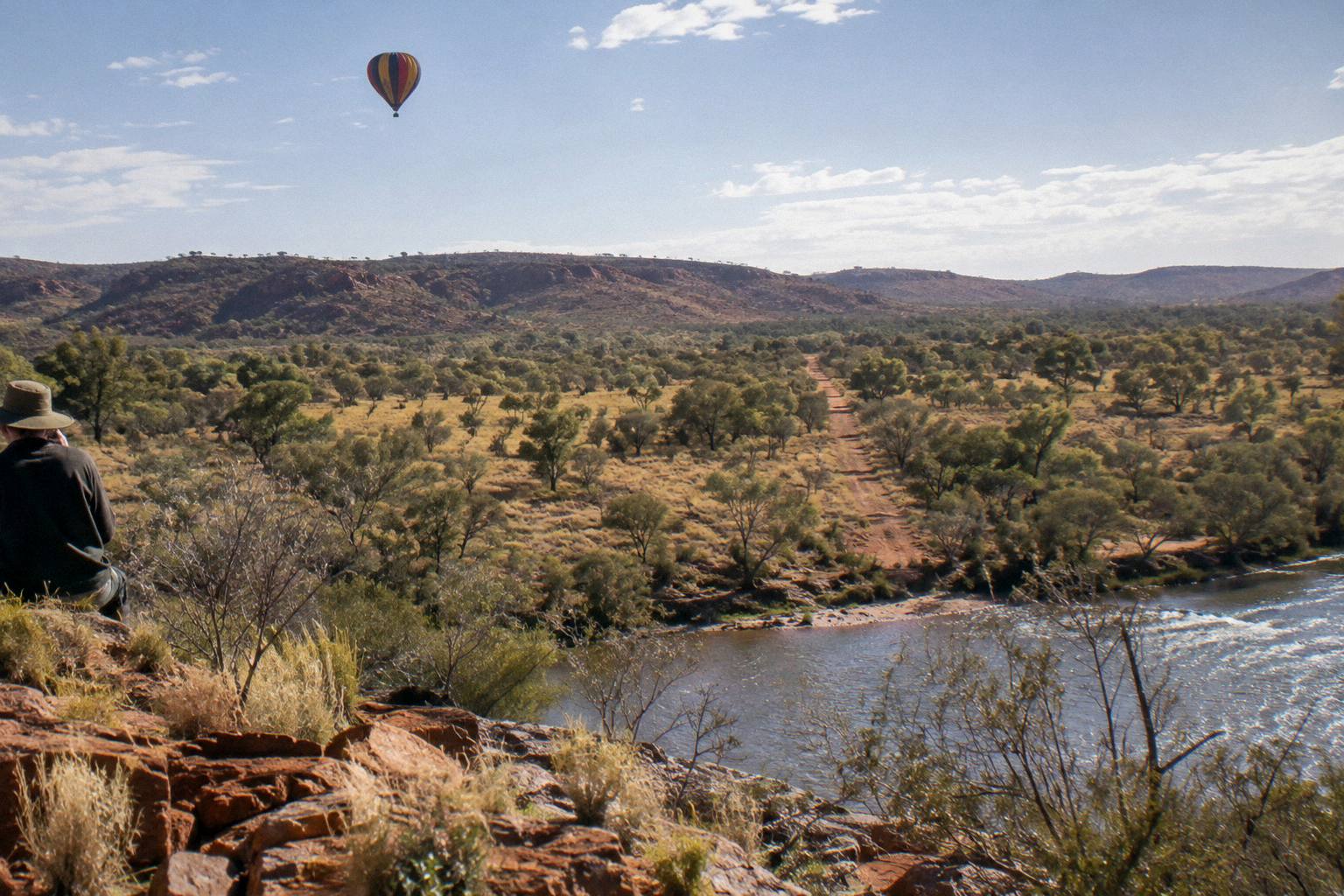
Anyone weighing the July window specifically, the month this page is written around, should be clear-eyed about one thing: it is the coldest pre-dawn of the year at 3.9 °C mean minimum, and the operator's very-warm-clothing advice is not optional politeness. But it is also the month where you land from a frozen dawn into a 20 °C day with the whole Red Centre comfortable ahead of you, and where the light on the MacDonnell Ranges, the backdrop the operator points to rather than flies over, is at its low-angle winter best. For plenty of travellers that trade is the whole point, and Alice Springs Hot Air Balloon exists to help you make it with real numbers rather than brochure fog.
Common Questions About The Best Time For A Balloon Flight In Alice Springs
When Is The Best Month For A Balloon Flight In Alice Springs?
Any month can work, since flights run daily all year weather and loadings permitting. For comfort, August and September combine the lowest rain-day counts with easing dawn cold; July gives the mildest days at 19.9 °C mean maximum but the coldest pre-dawn at 3.9 °C mean minimum; summer offers warm dawns and hot afternoons.
What Is Alice Springs Like In July?
July is the coldest month at dawn and the mildest by day: a mean minimum of 3.9 °C with a record low of minus 7.5 °C, a mean maximum of 19.9 °C, 14.0 mm mean rainfall and 2.5 mean rain days. Pickup is about 5:45am, roughly an hour before first light.
How Cold Is The Balloon Launch In Winter?
The pre-dawn period tracks the mean minimum row of the climate record: 3.9 °C in July and 5.9 °C in August on average, with record lows below minus 6 °C. The operator advises very warm clothing in mid-winter, with warm layers from about May to September.
What Time Is Pickup For A Balloon Flight?
Pickup is approximately one hour before first light, anchored by the operator at about 4:15am in summer and about 5:45am in mid-winter. The exact time is confirmed at booking and again the day before. The whole trip runs about four hours door to door.
Are Balloon Flights Cancelled For Weather?
Yes. The pilot's decision on the morning is final, and flights can also be cancelled for minimum numbers. If the operator cancels, you rebook another day or take a full refund of a prepaid fare. Cancelling yourself more than 24 hours before attracts no fee.
Which Days Of The Year Have No Balloon Flights?
Outback Ballooning flies daily all year except New Year's Day, Christmas Day and Boxing Day, weather and loadings permitting. Every other date on the calendar is a potential flight morning.