What Happens If A Hot Air Balloon Rips?
The honest answer to what happens if a hot air balloon rips, based on the operator's own published safety framework for Alice Springs flights, plus what is and is not on the record.
The truthful answer is that no Alice Springs balloon operator publishes a procedure for a ripped or torn envelope, and this page will not invent one. The operators' own sites, brochures and terms contain no statement on envelope damage, emergency descent or tear management, so ask when you book. What is on the record is the safety framework around the flight, and that is what this page reports.
That is an unsatisfying opening for anyone hoping for a step by step account, but the gap is genuine. A reader searching this question is usually deciding whether to book, and the responsible thing a research site can do is separate what is documented from what is not. Fabricating an emergency procedure would be worse than admitting the gap.
So here is what this page does instead. It sets out the operator's stated safety framework, exactly as Outback Ballooning publishes it on its own CASA regulation page. It explains where the pilot's authority begins and ends, because that is the operator's own answer to anything going wrong on the morning. It reports, factually and without softening, the one documented accident in this operator's history, an NT WorkSafe conviction from July 2021, because a page about balloon safety that omits it would be dishonest by omission. And it covers what a nervous passenger can actually verify before booking.
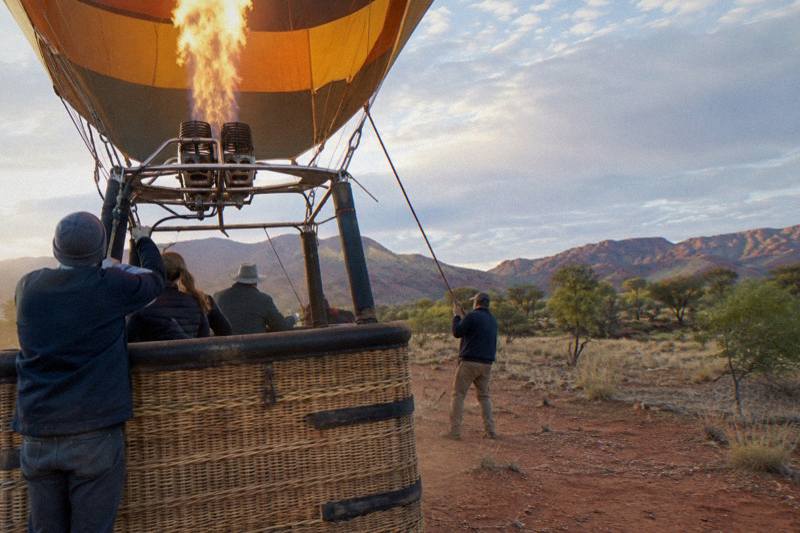
The flight sold through this site is the 30 or 60 minute dawn flight operated by Outback Ballooning, rated 4.9 from 288 reviews on its main booking page, launching about 15 km south of Alice Springs over Owen Springs Cattle Station with the MacDonnell Ranges as the backdrop. If your question about rips is really a question about whether this specific operator takes safety seriously, the sections below give you the documented record to judge for yourself.
Why The Operator Publishes Nothing About Ripped Envelopes
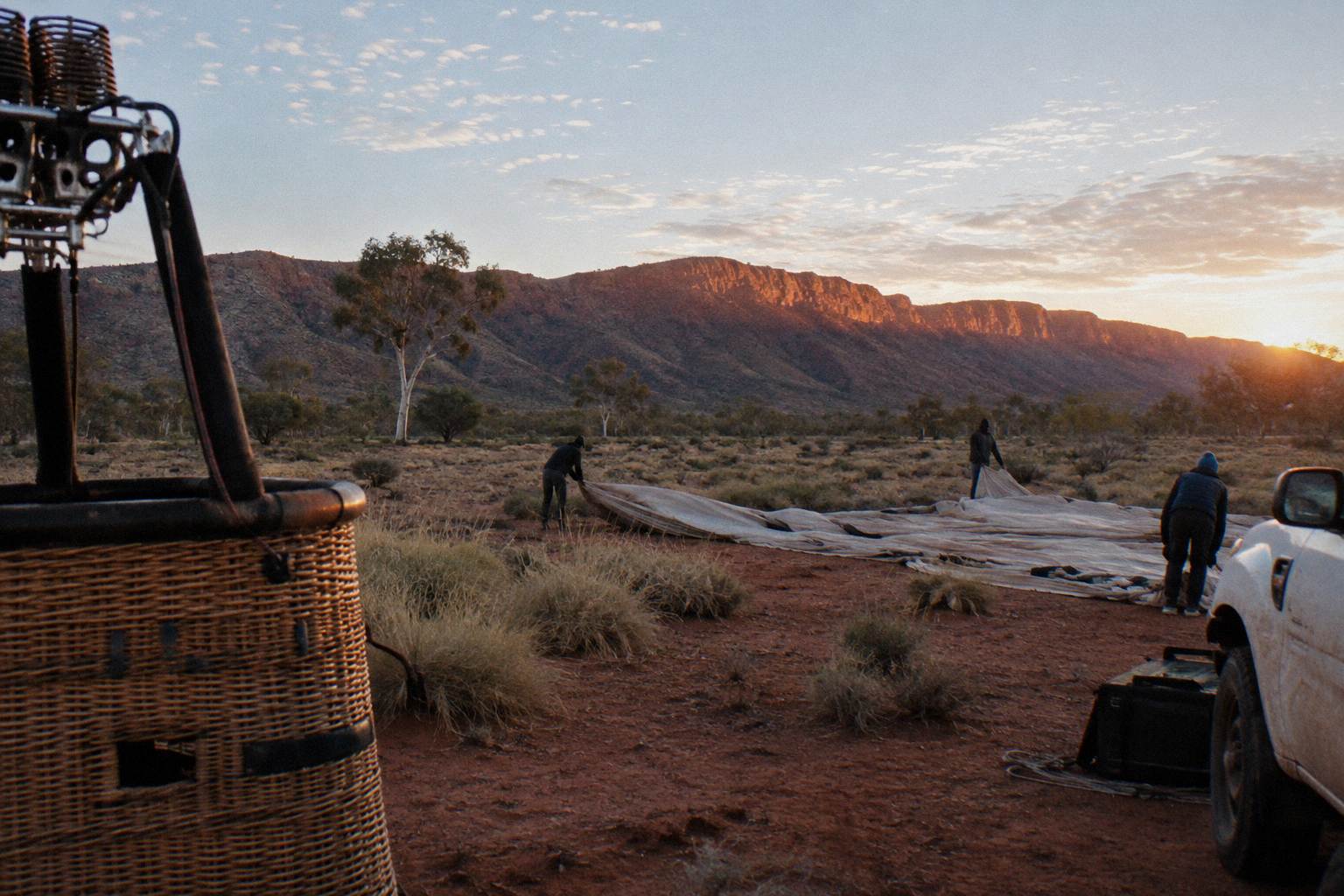
Outback Ballooning's published material, its home page, frequently asked questions, terms of travel, brochure and CASA regulation page, says nothing at all about envelope damage, fabric tears or what the pilot would do if one occurred. That silence is normal for a commercial operator: procedures like these sit in the operator's internal manuals and its regulator's certification, not on a tourism website. This page therefore reports only what the operator has chosen to publish.
It is worth being precise about why a gap like this exists. A passenger-facing website answers the questions tourists ask most: pickup times, what to wear, whether children can fly, what happens in bad weather. Emergency procedures are a different category of document. They belong to the operator's approved manuals under its air operator's certificate, they are audited by the regulator, and no tourism operator anywhere routinely publishes them for the same reason an airline does not publish its engine failure checklist in the in-flight magazine.
That means a reader who wants a procedural answer to "what happens if it rips" is asking a question the public record genuinely cannot answer, for this operator or for the other Alice Springs brand, Spinifex Ballooning, whose public pages are similarly silent. Any website that gives you a confident minute by minute account of a controlled emergency landing is writing fiction, not reporting. Rather than do that, the rest of this page deals in the things that are documented, which turn out to be the things that actually matter to a booking decision.
What is documented starts with certification. Outback Ballooning states that it holds CASA Air Operator Certificate CASA.AOC.0496, that it is a CASA Approved Maintenance Organisation, and that its pilots hold a Commercial Balloon Pilot Licence, an aviation medical and a security clearance, as set out on its CASA regulated page. It also states that it carries carriers' liability insurance under the Civil Aviation (Carriers' Liability) Act 1959. Every one of those credentials exists precisely so that the aircraft, including the fabric envelope, is maintained and inspected under a regulatory regime rather than left to chance.
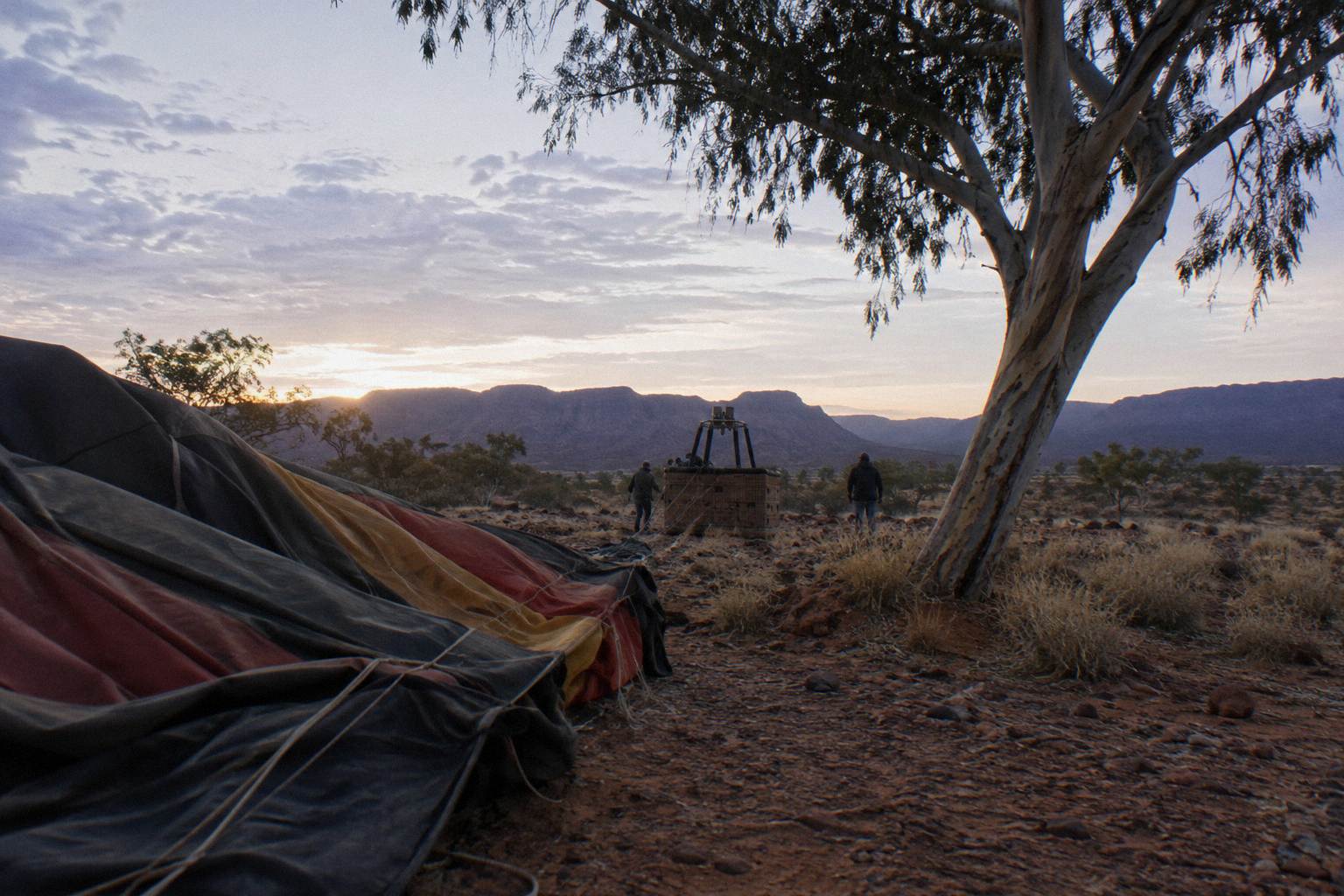
One detail from the research is worth flagging here because it shapes how you read anything about the two local brands. Both Outback Ballooning and Spinifex Ballooning print the same CASA air operator's certificate number, CASA.AOC.0496, on their own websites, and business registry records suggest the two brands operate as one entity. Safe wording, which this site uses, is that both brands operate under the same CASA air operator's certificate and appear to be one operator. They are not independent competitors, and a page that compares their "safety" as though they were rivals is a page that has not read the footers.
Where The Pilot's Authority Actually Begins
The operator's own terms give the pilot the final say over everything that happens on the morning: the pilot's decision is final on weather and flying conditions, and guests can rebook another day or take a full refund if a prepaid flight is cancelled. That authority, not any published tear procedure, is the operator's real answer to the question of what happens when something is not right with the flight.
Read the terms closely and a consistent principle emerges. Pickup happens about an hour before first light, around 4:15 am in summer and 5:45 am in mid-winter, because the pilot wants stable pre-dawn air. Flights launch about 15 km south of town over Owen Springs Cattle Station, stay within the first 1000 ft above ground, and cover a typical 10 to 20 km chosen by the wind. The launch site itself is not fixed; Spinifex says it selects from about 20 launch sites within 30 km depending on the morning's wind. Every one of those decisions is the pilot's, made on the day, with information the passenger never sees.
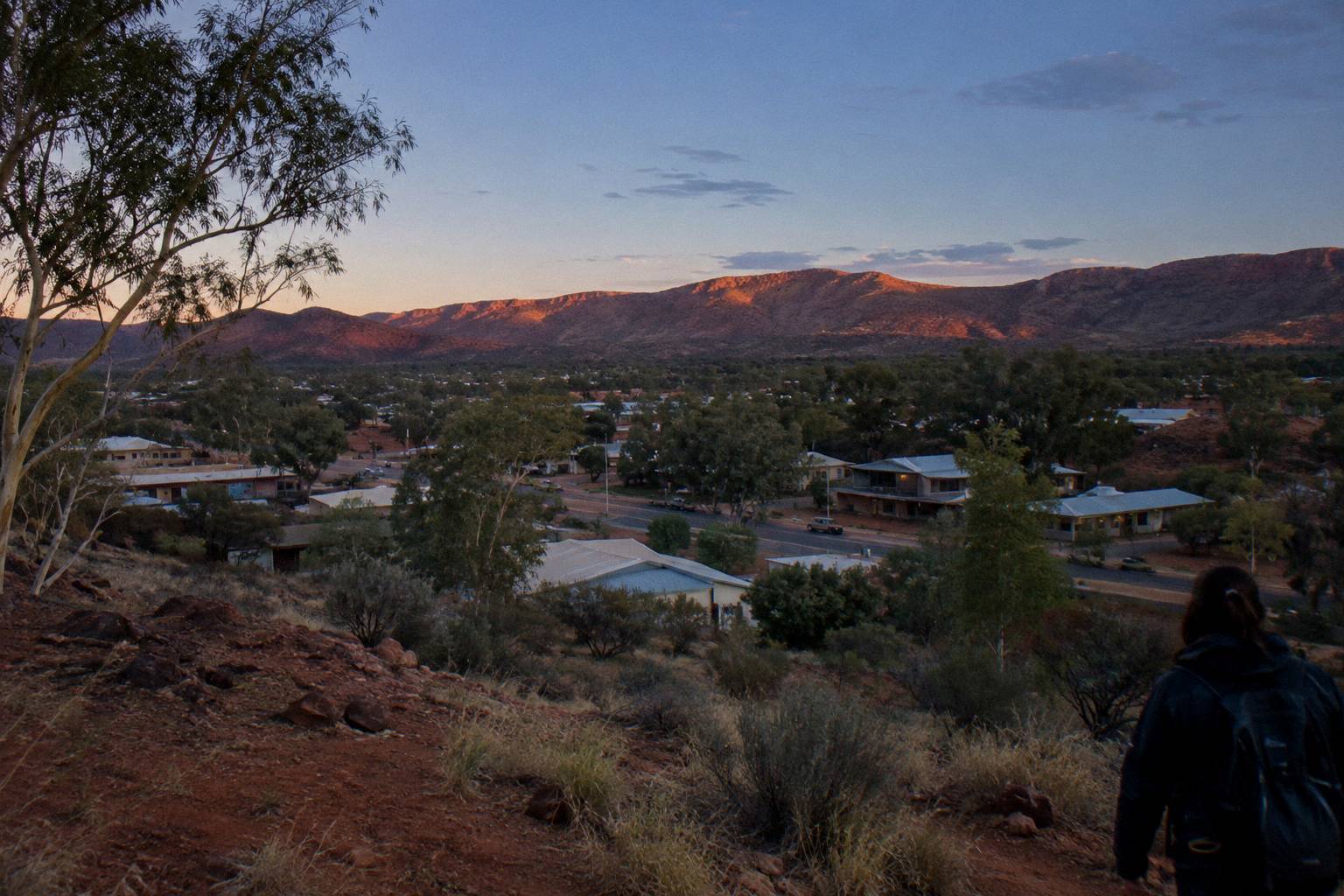
The same principle governs people as well as weather. The terms state that medical conditions and disabilities are assessed individually and that the pilot's discretion is absolute. Passengers must be able to climb unaided into a basket about 1.2 m high using foot holes, and stand throughout the flight. Pregnant passengers are not flown beyond 12 weeks. Passengers over 110 kg receive an extra safety email, because weights are collected for load planning. None of this is marketing copy; it is the operator describing the conditions under which it will refuse to fly, which is the operational mirror of the question you are really asking.
| Decision the pilot makes | Where it is stated | What the terms say happens next |
|---|---|---|
| Whether the weather is safe to fly | Operator terms, weather section | Pilot's decision is final; guests rebook another day or take a full refund if prepaid |
| Whether minimum numbers are met | Operator terms | The flight may be cancelled for minimum numbers |
| Whether a passenger's medical condition permits flight | Operator terms, medical section | Each case assessed individually, pilot's discretion absolute |
| The launch site and direction on the morning | Operator FAQ and Spinifex site | Site chosen by wind; flight typically 10 to 20 km |
| Whether a substitute CASA-approved operator flies the morning | Outback Ballooning terms | A substitute CASA-approved operator may be used |
The last row of that table surprises people. Outback Ballooning's terms allow a substitute CASA-approved operator to fly the morning, which is a common arrangement in aviation and another reason the "which company is safest" framing breaks down locally. The brands share a certificate number, the terms permit substitution, and what you are really choosing between is a time, a duration and a price, not a maintenance regime.
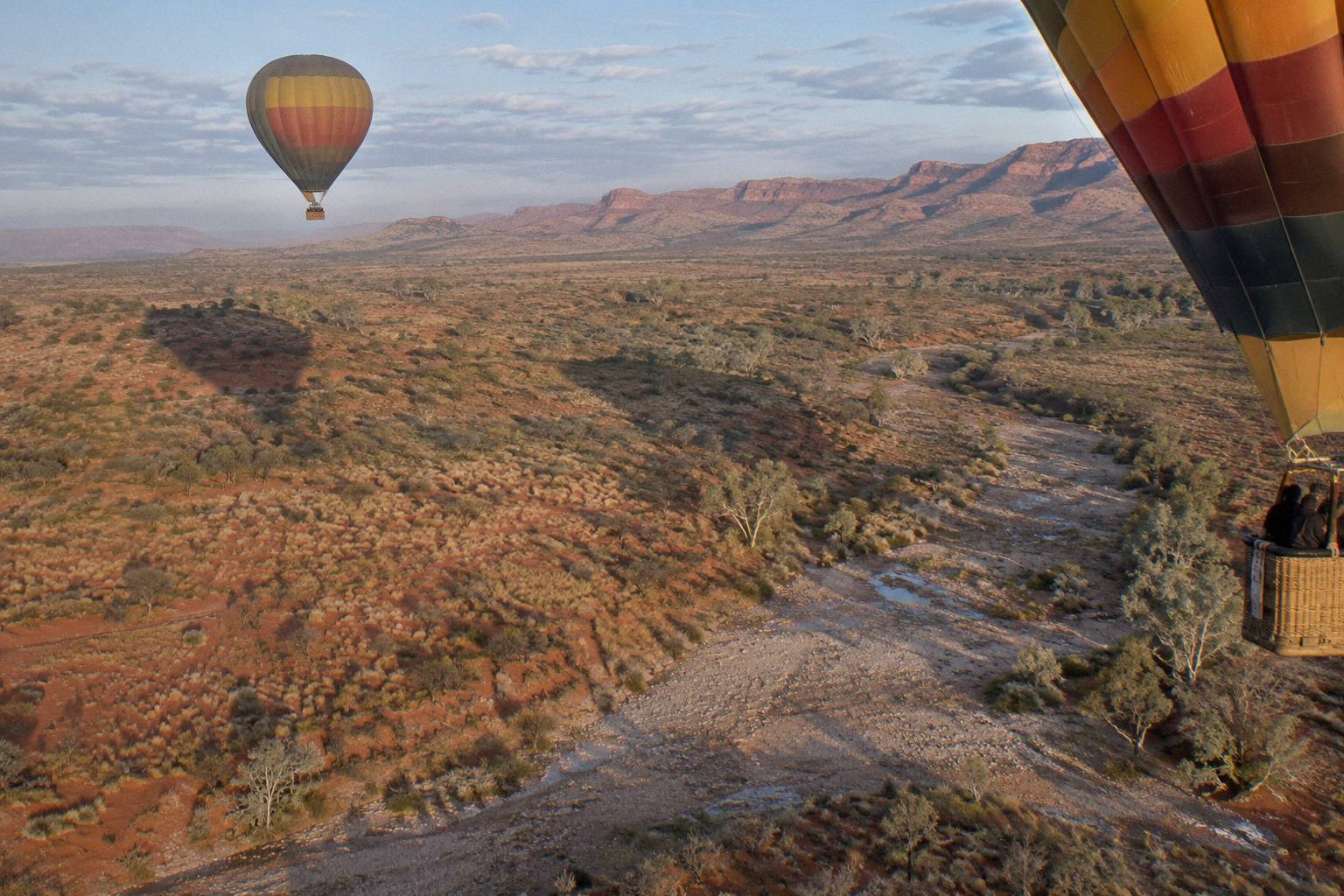
A practical point follows for anyone whose worry about a rip is really a worry about being stuck in the air with a problem. The altitude band matters. Flights stay within the first 1000 ft above ground, by the operator's own statement, over open cattle station country. This page will not describe descent profiles or emergency outcomes, because the research contains none, but the flight profile itself, low, slow, over open ground in the calmest air of the day, is published fact.
The Documented Accident In This Operator's History
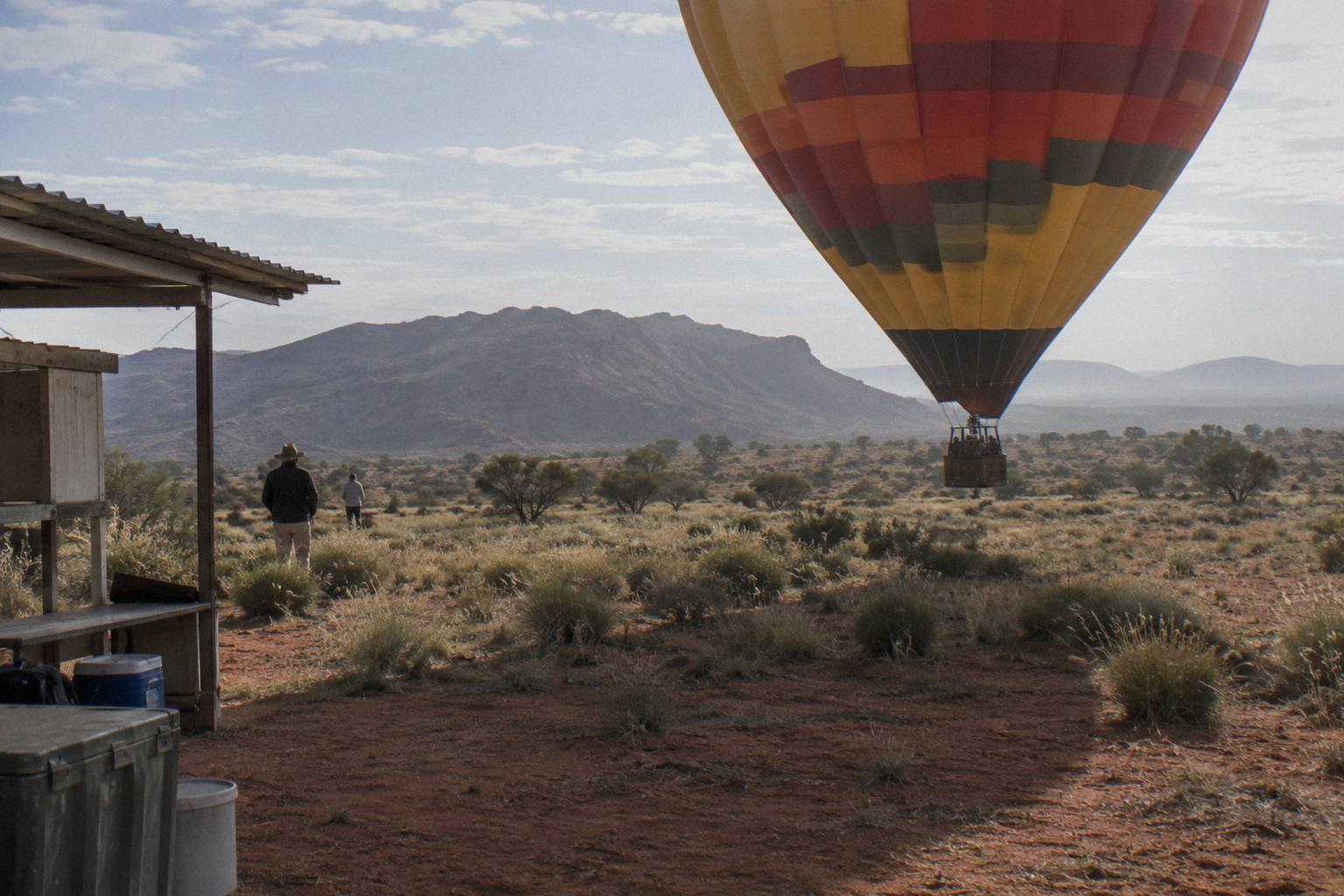
Outback Ballooning Pty Ltd was convicted and fined in July 2021 over the 2013 death of a passenger, in a case where NT WorkSafe reported that the passenger's scarf became entangled in the inflation fan on the ground. The combined penalty was A$130,000. The accident occurred on the ground, before flight, not in the air.
This site reports that fact plainly, attributed to the NT WorkSafe media release, wherever safety or the operator's record is the topic, because a reader asking about ripped envelopes deserves the full record rather than a curated one. It is also, read carefully, directly relevant to your question. The one documented fatality in this operator's history involved ground equipment and loose clothing, not envelope failure in flight.
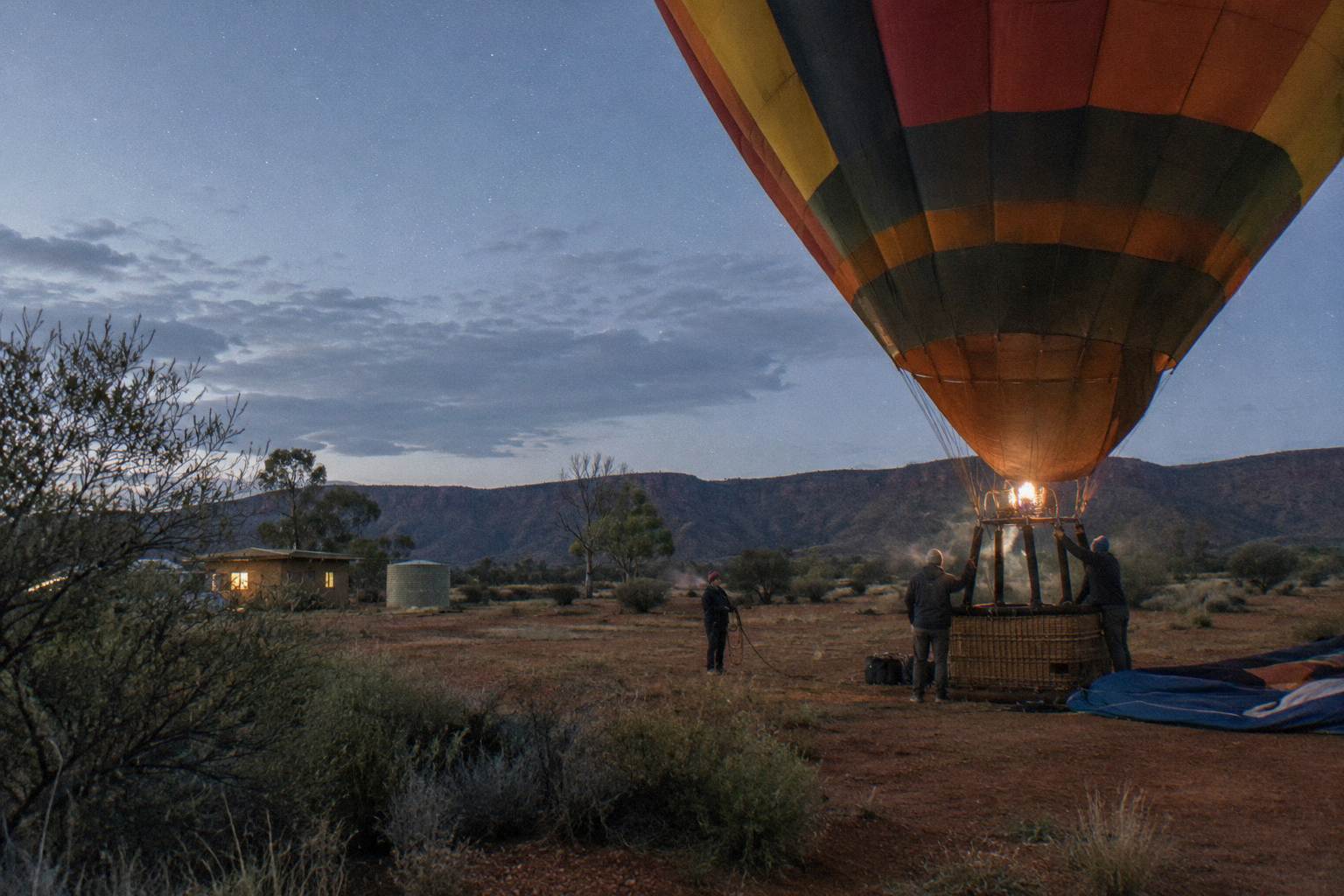
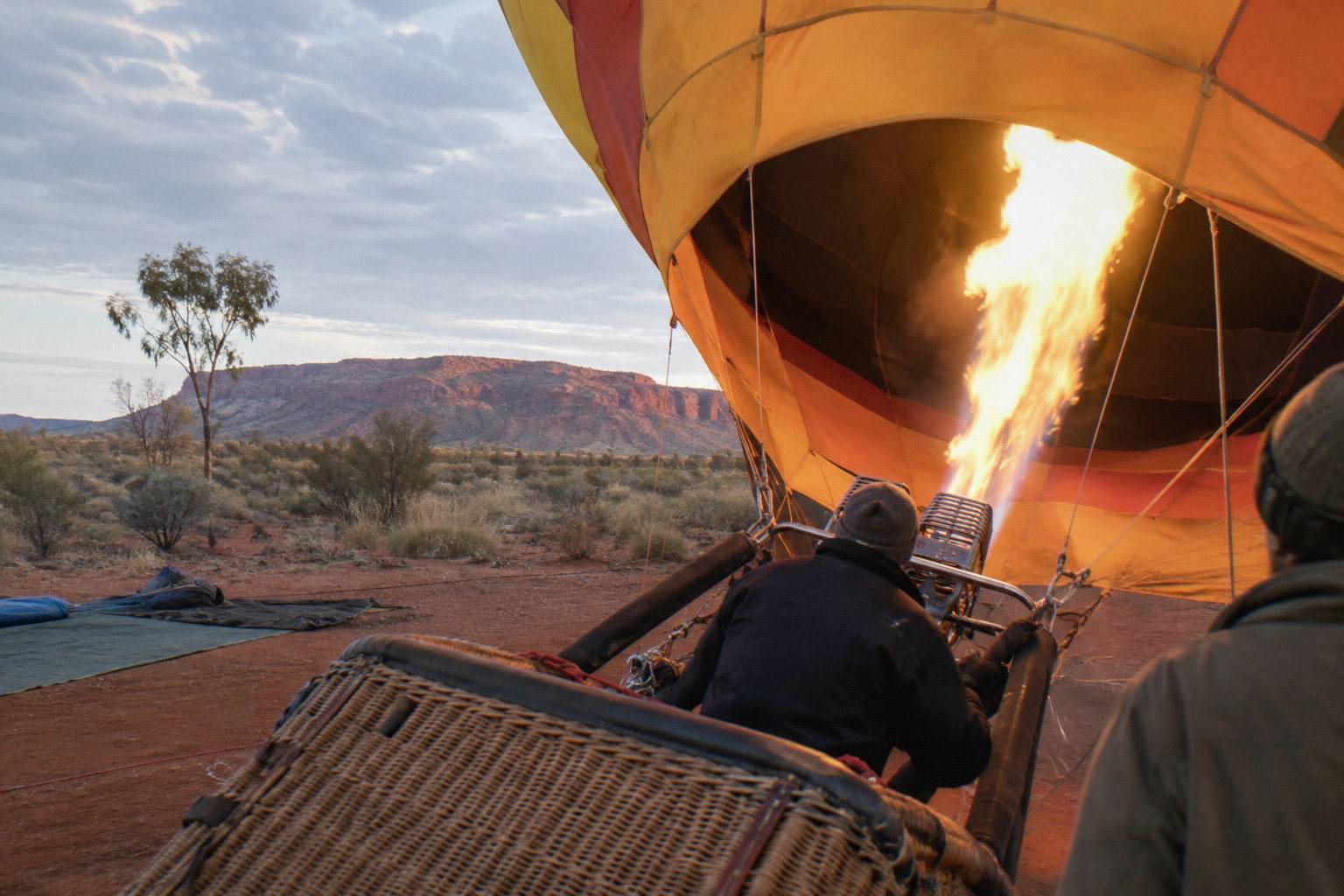
That is why the operator's clothing rules are not bureaucratic fuss. Passengers are told to wear enclosed flat shoes, long pants and a hat, outdoor clothing that is not white, and, specifically, no dangling jewellery or scarves at the launch site. Backpacks stay on the bus. Every one of those rules maps to a real hazard on the ground: fans, burners, ropes and a fabric envelope being inflated by machinery. The dress code is the accident record translated into instructions.
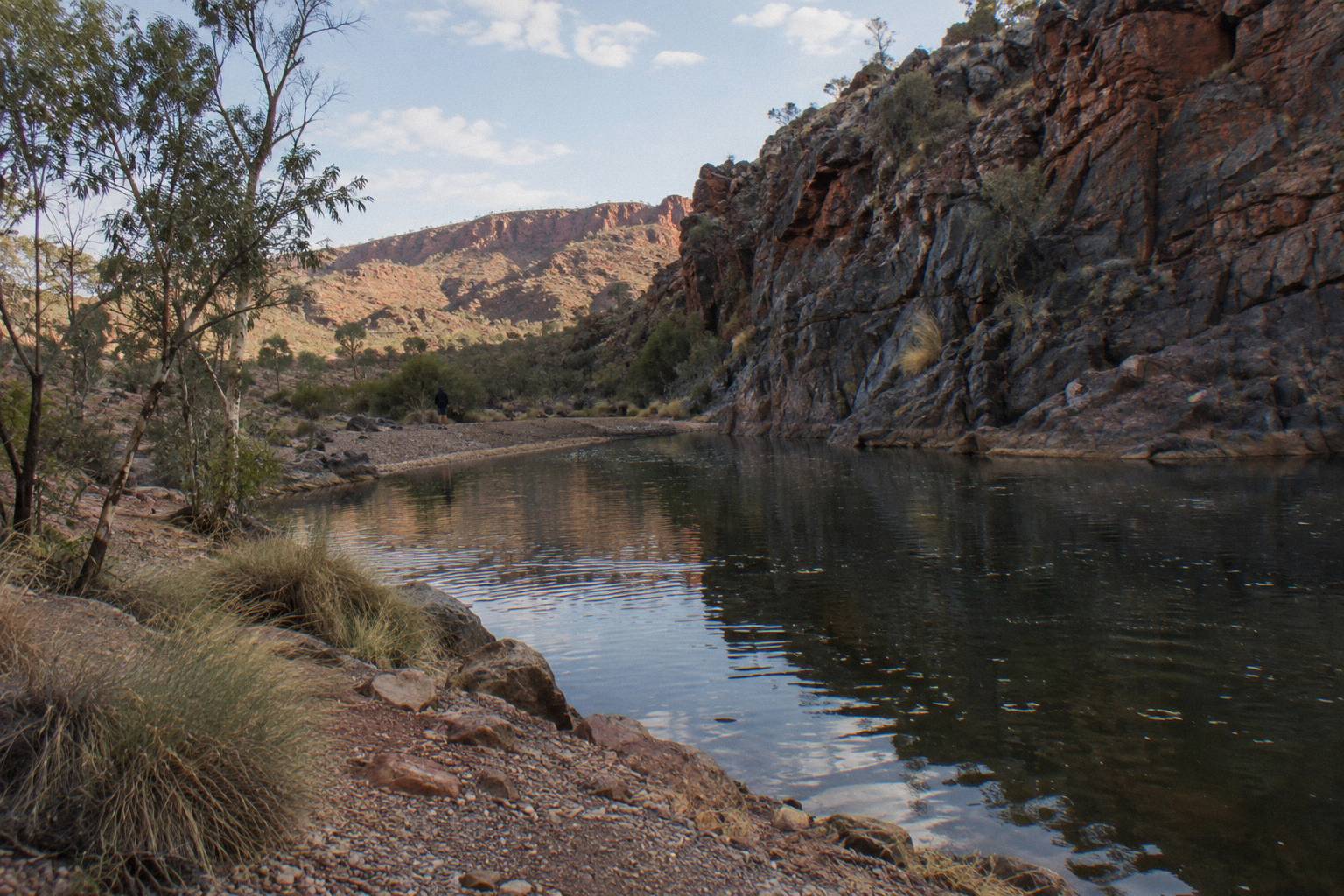
This page prints no fatality statistics, odds, or industry-wide safety figures, and it will not tell you ballooning is the safest form of anything. What it can tell you is what the regulator found, what the operator was required to do about it, and what the published passenger rules now say. The 2021 conviction closed a case that began with a 2013 ground accident; the operator flying today holds a current CASA Air Operator Certificate, is a CASA Approved Maintenance Organisation, and publishes its credential set in full.
What Maintenance Rules Mean For The Fabric
The operator's maintenance claim is specific: Outback Ballooning states it is a CASA Approved Maintenance Organisation, which places its aircraft, including the fabric envelope, under a regulator-approved maintenance programme rather than the operator's own discretion. Beyond that statement, the operator publishes nothing about inspection intervals, fabric tests or envelope life, so ask when you book.
This is the section where most articles on this topic go wrong, so it is worth naming the temptation. Generic ballooning pages will tell you about porosity tests, load tapes, envelope hours and hundred-hour inspections. None of that appears in this site's verified research for these operators, and specifics vary between regulators and operators, so printing them here as though they applied to Alice Springs would be fabrication dressed up as reassurance.
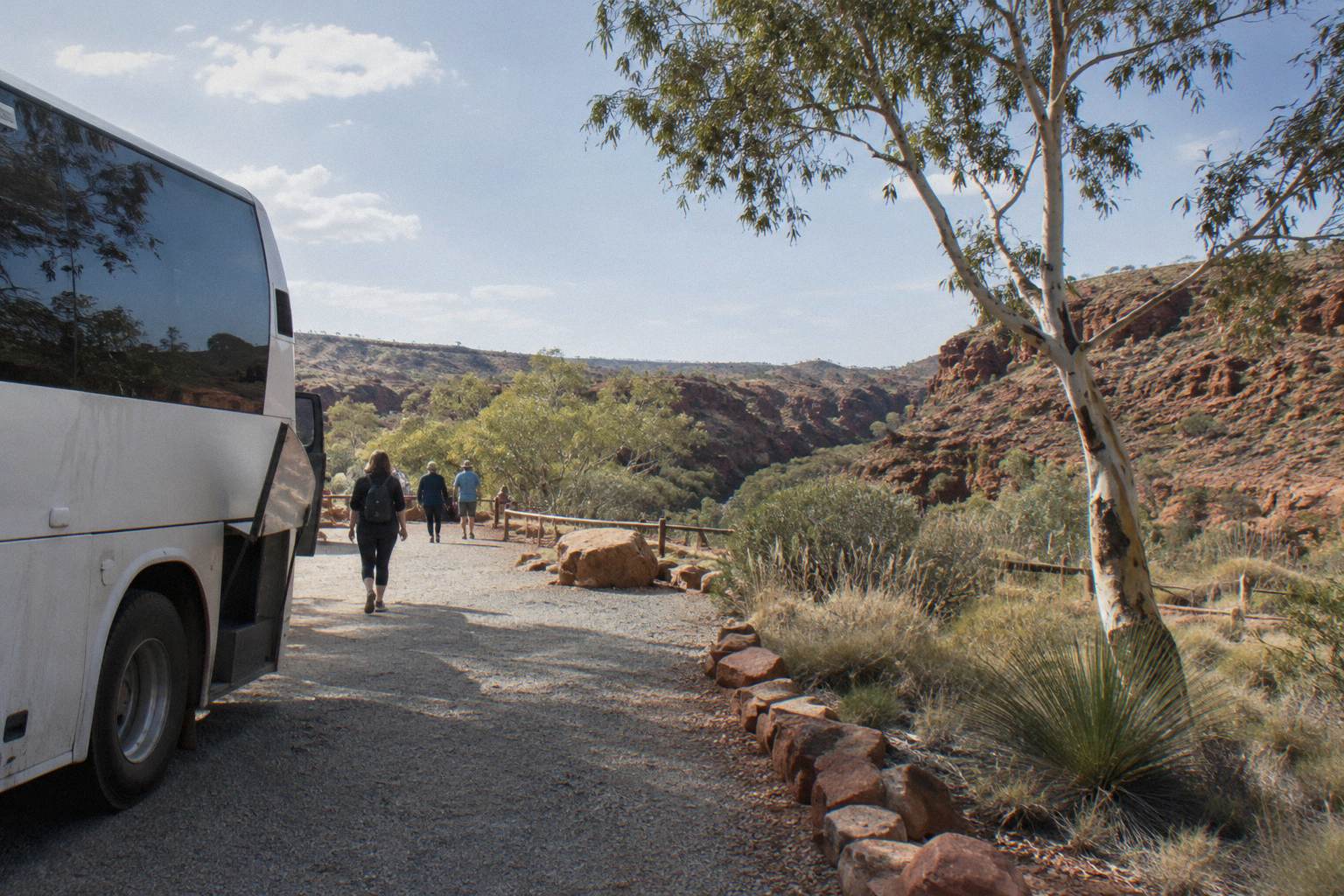
What can be said, from the operator's own page, is the structure that sits above any individual maintenance task. An air operator's certificate under CASA means the operator holds an approved system: approved personnel, approved maintenance, approved procedures, audited by the regulator. A CASA Approved Maintenance Organisation is itself a regulated status. Pilots hold a Commercial Balloon Pilot Licence, an aviation medical and a security clearance. Carriers' liability insurance exists under the Civil Aviation (Carriers' Liability) Act 1959. You cannot inspect the envelope yourself, and no tourism website can inspect it for you, but you can check that this credential stack exists, and it does, on the operator's own site.
| Credential the operator publishes | What it covers | Source |
|---|---|---|
| CASA Air Operator Certificate CASA.AOC.0496 | The operator's authority to fly commercial balloon flights | Operator's CASA regulation page |
| CASA Approved Maintenance Organisation | Aircraft maintained under a regulator-approved programme | Operator's CASA regulation page |
| Commercial Balloon Pilot Licence | Flight crew licensing standard | Operator's CASA regulation page |
| Aviation medical and security clearance | Pilot fitness and background checks | Operator's CASA regulation page |
| Carriers' liability insurance | Passenger liability cover under the Civil Aviation (Carriers' Liability) Act 1959 | Operator's CASA regulation page |
Two things are deliberately absent from that table, and the omission is honest. The operator's pages do not mention Australian Ballooning Federation membership, so this site never claims it. And no page in the research publishes an accident-free or incident-free record, so this site never claims that either; indeed, the previous section documents why such a claim would be false. A credential table tells you the regime exists. It does not, and should not, promise you an outcome.
For a reader weighing the risk, the practical takeaway is that the envelope you will fly under is maintained under the same federal aviation regime as the rest of Australian commercial aviation, and that the operator's substitute-operator clause means the morning's aircraft always comes from within that regime. If you want more than that, the honest route is to ask the operator directly: the research notes that whether cameras, phones or drones are restricted is also unstated, and the same advice applies, ask before you fly.
The Parts Of The Flight That Are Chosen For Safety, Not Scenery
Several features of the Alice Springs dawn flight that look like tourism choices are, on the operator's own description, safety choices: the pre-dawn pickup roughly an hour before first light, the calm morning air, the low altitude band within the first 1000 ft, and the open cattle station country the flight crosses. The flight is not guaranteed to be in the air at sunrise, and the operator's terms are blunt about it.
Start with the hour, because it answers the anxiety behind many rip questions. Pickup at about 4:15 am in summer and 5:45 am in mid-winter exists because the atmosphere is at its most stable before the sun heats the ground and builds thermals and winds. The pilot's weather call is final; if the morning does not suit, the flight does not happen, and guests rebook or take a full refund on a prepaid fare. Cancellation for weather is the operator's routine safety mechanism, used often enough that Outback Ballooning describes flying an average of 250 to 300 days a year, its own estimate.
Then the ground below. The launch is about 15 km south of Alice Springs, adjacent to the MacDonnell Ranges, over historic Owen Springs Cattle Station. The operator states it does not fly over the Ranges themselves; they are the backdrop, lit by the early light, not the flight path. The flight typically covers 10 to 20 km, drifting with the wind over open country. The passenger notice is not white clothing, long pants, enclosed shoes. The basket is about 1.2 m high with compartments about 60 cm wide, and between 2 and 24 people fly per balloon depending on the load.
If you are still nervous, read the operator's own description of the 60 minute flight: keep an eye out for kangaroos, spinifex grasses, mulga scrub and cattle stations, with red kangaroos, birds and wild camels named as the local wildlife. It is a slow drift at low altitude over flat grazing country, not a high-altitude traverse. For more on that profile, see this site's guide to how high Alice Springs balloon flights fly, and for the full pre-flight routine, the guide to first flight tips for Alice Springs ballooning walks through the morning step by step.
One more honest caveat belongs here because it is in the terms. Durations are approximate, and there is no refund if a flight runs less than the booked 30 or 60 minutes; a 60 minute flight cut to 30 is charged as 30. Flights are not guaranteed to be in the air at sunrise. These clauses tell you the operator flies on conditions, not on a schedule, which is exactly what you want from an operation whose pilot holds final authority.
What You Can Verify Before You Book
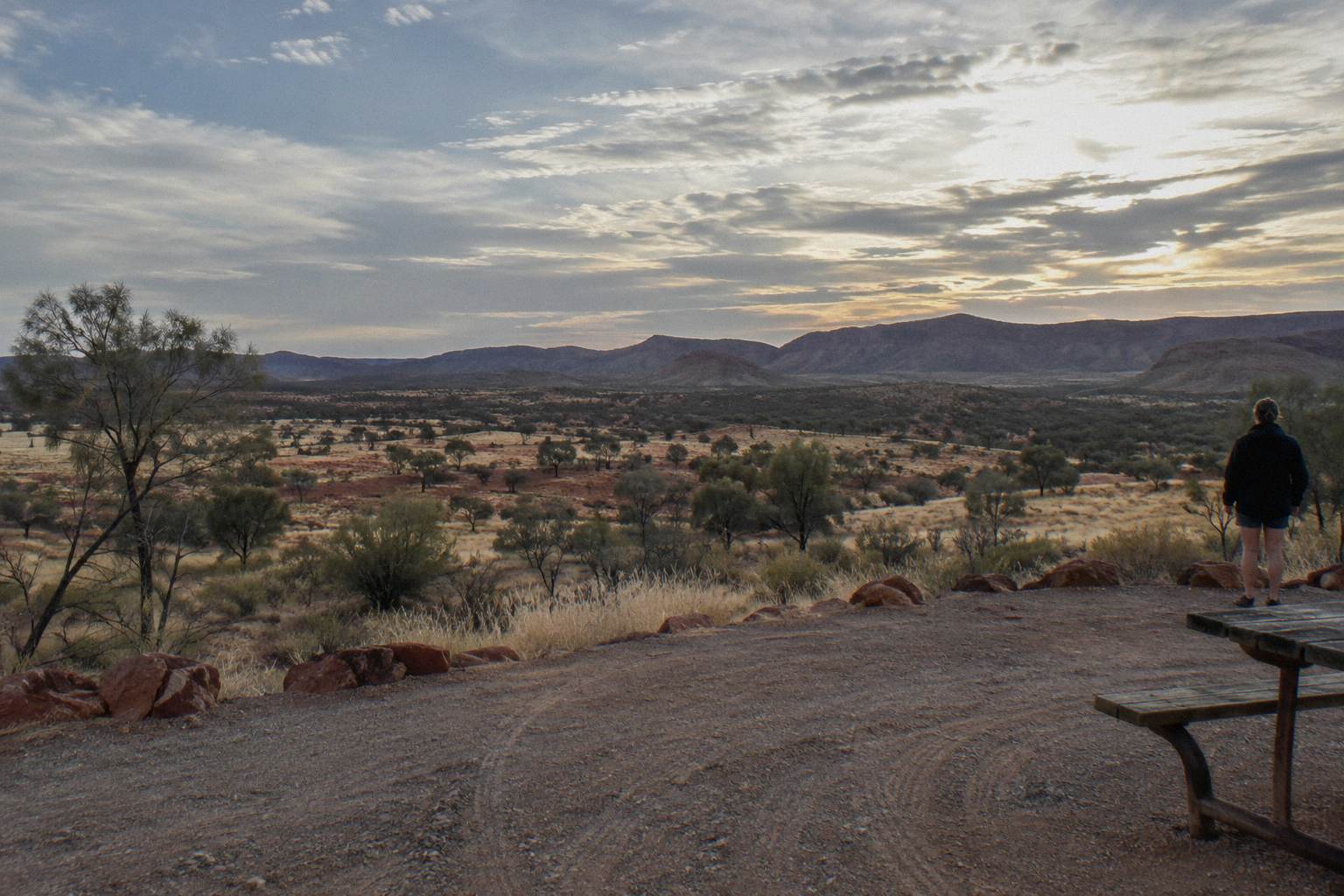
Before booking you can verify four things from published sources: the operator's CASA certificate number and maintenance status on its own site, the booking page's rating and review count, the cancellation terms covering weather and the 24 hour window, and the passenger rules on age, weight notification and pregnancy. None of these tells you what happens if an envelope tears, and no source can; together they tell you whether the operation around the envelope is serious.
The checklist is short and every item is checkable in minutes. Read the operator's CASA page and note the certificate number, CASA.AOC.0496, and the approved maintenance organisation claim. Read the terms for the cancellation window: no fee when cancelling more than 24 hours before, full fare forfeited inside 24 hours or on a no-show, and a full refund or rebook when the operator cancels for weather. Note that the balance is paid directly on the morning of the flight and a card secures the booking. Check the age rules, child fares 6 to 14, minimum age recommended 6 years, and the over 110 kg safety email requirement.
Then decide with the record in front of you rather than with reassurance. The dawn flight this site features, the 30 minute Alice Springs balloon flight, carries a rating on its main booking page, includes return transfers from most Alice Springs accommodation, and finishes with sparkling wine, juice and a certificate. A second booking page sells the identical Outback Ballooning flight, and it is the same aircraft and the same crews, so treat the two listings as one product rather than a choice between safety standards. This is the flight Alice Springs Hot Air Balloon exists to explain, and the rest of this site documents it fact by fact.
If your question about rips comes from a fear of heights rather than a concern about fabric, that is a different question with its own honest answers, and the site covers it separately in the guide to ballooning with a fear of heights. Anxiety about the machine and anxiety about altitude deserve different handling, and mixing them helps neither.
If Balloons Worry You, Ground-Level Alternatives Exist
Ground-level options do exist: the balloon's chase vehicle follows the flight for about four hours at a published fare of A$110 adult and A$99 child, while a West MacDonnell Ranges day tour with lunch or a West MacDonnell Ranges day trip covers the region's light and wildlife on solid earth. None of these carries the 4:15 am altitude, but the chase vehicle keeps the dawn.
The chase option is the least known. Outback Ballooning's Balloon Chase puts you in the recovery vehicle that follows the balloon across the station country, requires at least one adult in your party to be booked on the flight itself, has limited space, and children cannot chase alone. At the operator's published fare of A$110 adult and A$99 child, it is a way to share the morning with a nervous flyer in your group while they are airborne. Fares are as the operator lists them, and prices can change, so confirm on the booking page.
The West MacDonnell Ranges Day Tour with Lunch from Wildlife Tours Australia runs about 10.5 hours with a morning departure by air-conditioned mini-coach, pickup from selected inner-city Alice Springs points, and a rating on its booking page. For a full day of the country the balloon drifts over, the West MacDonnell Ranges day trip with Emu Run Experience runs about 9.5 hours from a 7:45 am departure, includes Standley Chasm entry, morning tea and a bushman's lunch, and carries a booking page rating. Details for both are on their booking pages. This site has not checked either operator's safety record and comments on neither.
Common Questions About Balloon Envelope Damage
What Happens If A Hot Air Balloon Rips?
No Alice Springs operator publishes a procedure for a torn envelope, and this site will not invent one. The documented facts are the regulator-approved maintenance regime, the pilot's final authority on the morning, and the low flight profile within the first 1000 ft over open station country. Anything more specific would come from the operator's internal certified manuals, not from public sources.
Can A Balloon Envelope Tear In Flight?
Envelopes are maintained under a CASA-approved maintenance programme, which is the operator's published safeguard against fabric problems. The operators do not publish details on envelope strength, fabric tests or tear behaviour, so ask about the specific envelope before you fly.
Has Anyone Died On An Alice Springs Balloon Flight?
The documented case is a 2013 death in which NT WorkSafe reported that a passenger's scarf became entangled in the inflation fan on the ground, before flight. Outback Ballooning Pty Ltd was convicted and fined a combined A$130,000 in July 2021. No other fatality appears on the public record for these flights, and industry-wide statistics are not published.
Who Decides If The Weather Is Too Bad To Fly?
The pilot. The operator's terms state the pilot's decision is final, and if a flight is cancelled for weather or minimum numbers, guests rebook another day or take a full refund on a prepaid fare. Booked through a third party, you contact that agent, who may retain a booking fee.
What Should I Wear To Reduce Risk On The Launch Field?
Enclosed flat shoes, long pants, a hat and outdoor clothing that is not white, with no dangling jewellery and no scarves at the launch site, and backpacks stay on the bus. Those rules come directly from the operator, and the 2013 accident record shows why loose items near the inflation fan are taken seriously.
Is The Alice Springs Flight Low Or High?
Low, by the operator's own statement: flights stay within the first 1000 ft above ground, drifting 10 to 20 km over Owen Springs Cattle Station, with the MacDonnell Ranges as the backdrop rather than the flight path. The operator does not fly over the Ranges.